



580 California St., Suite 400
San Francisco, CA, 94104
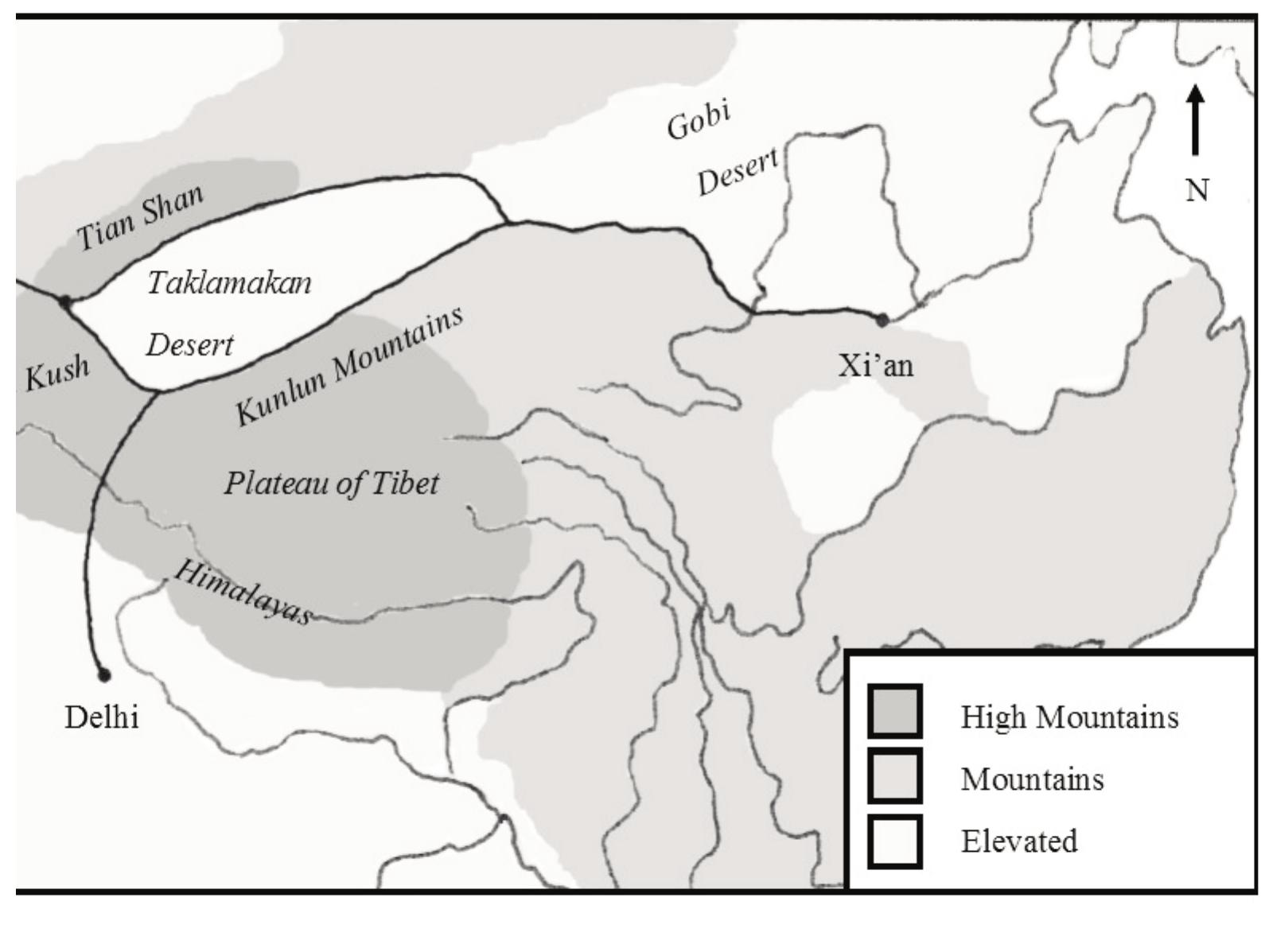
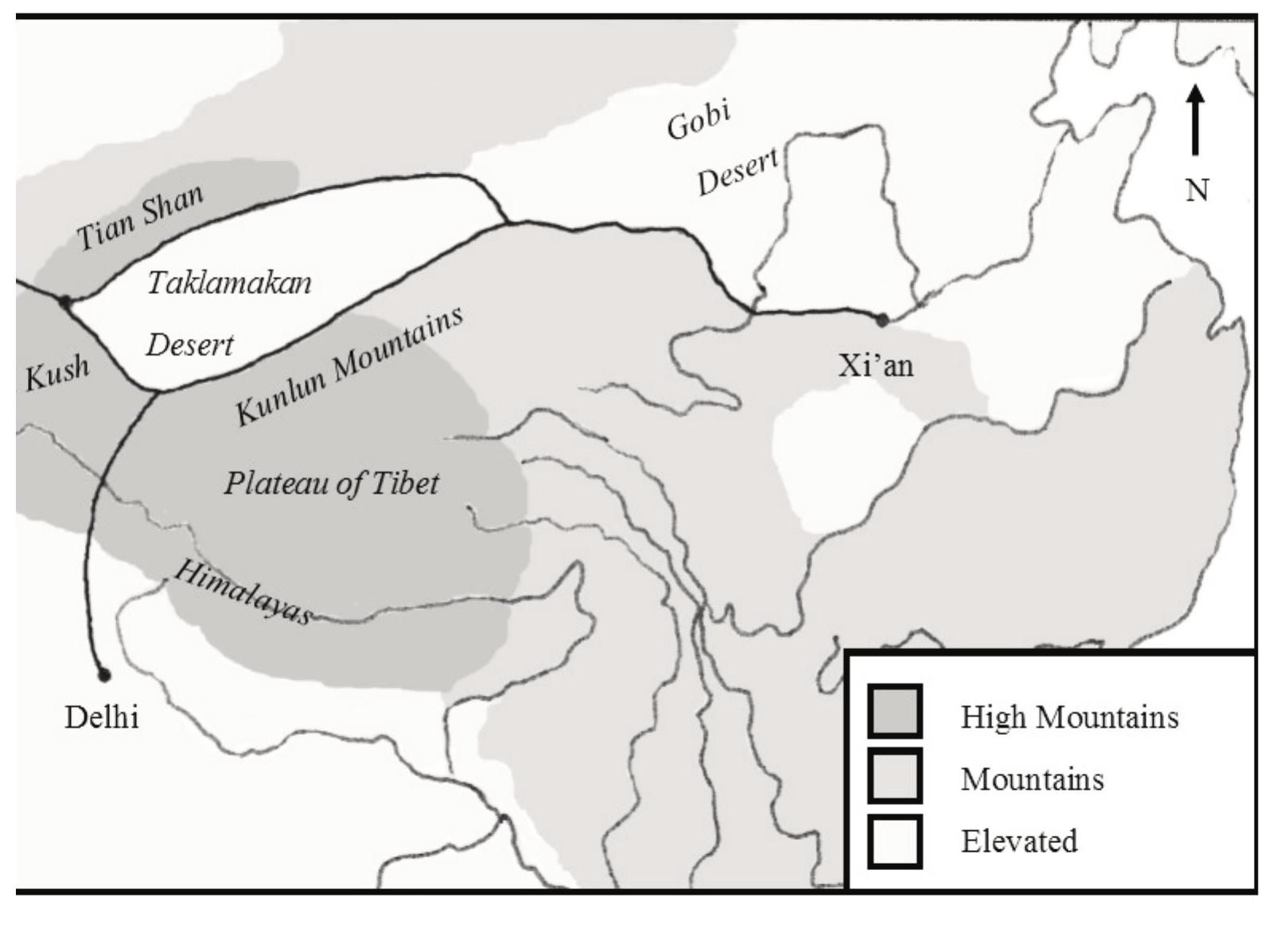
Fig. 1. Silk route. Drawing: Clio Stronk.
Figure source:
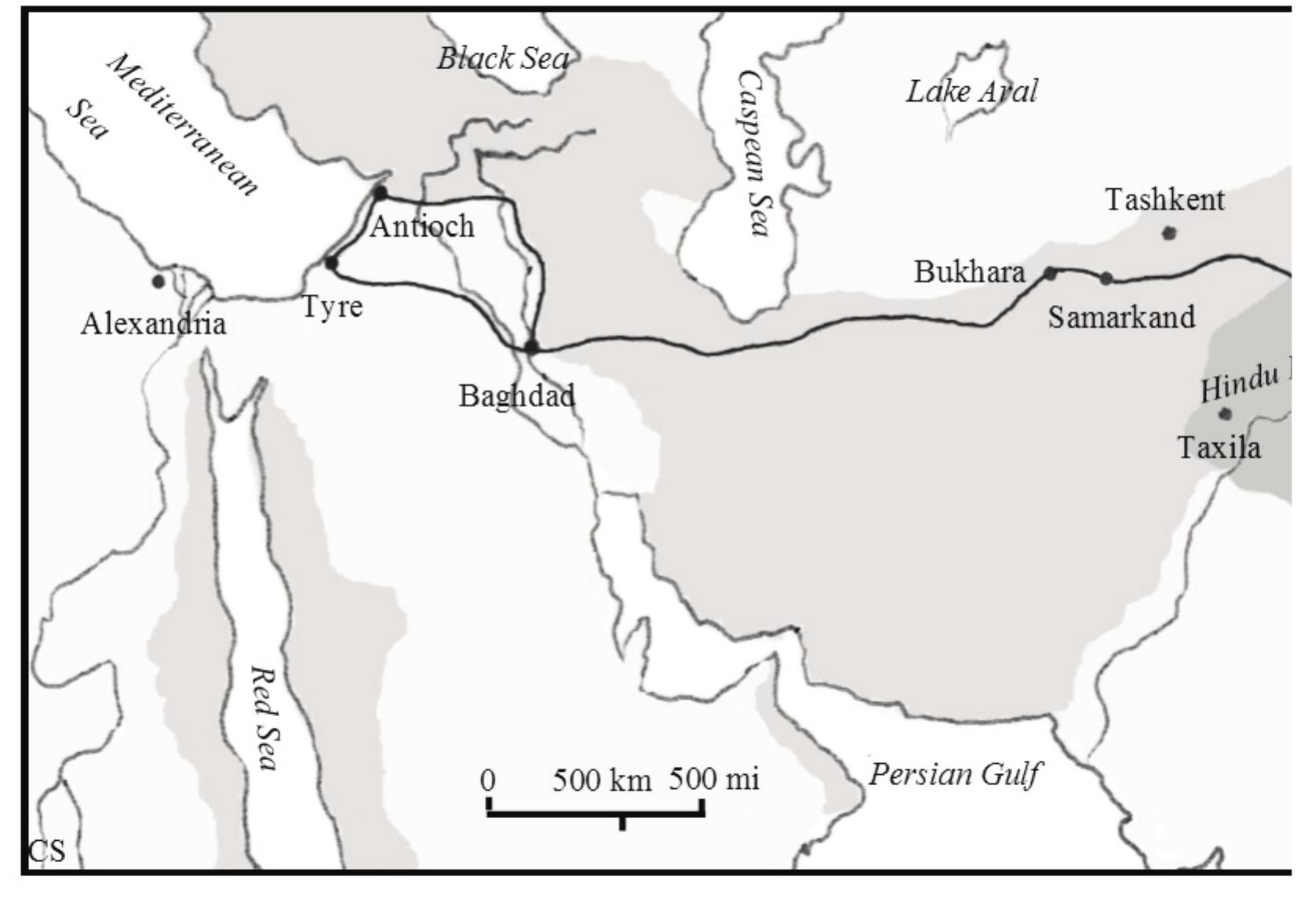
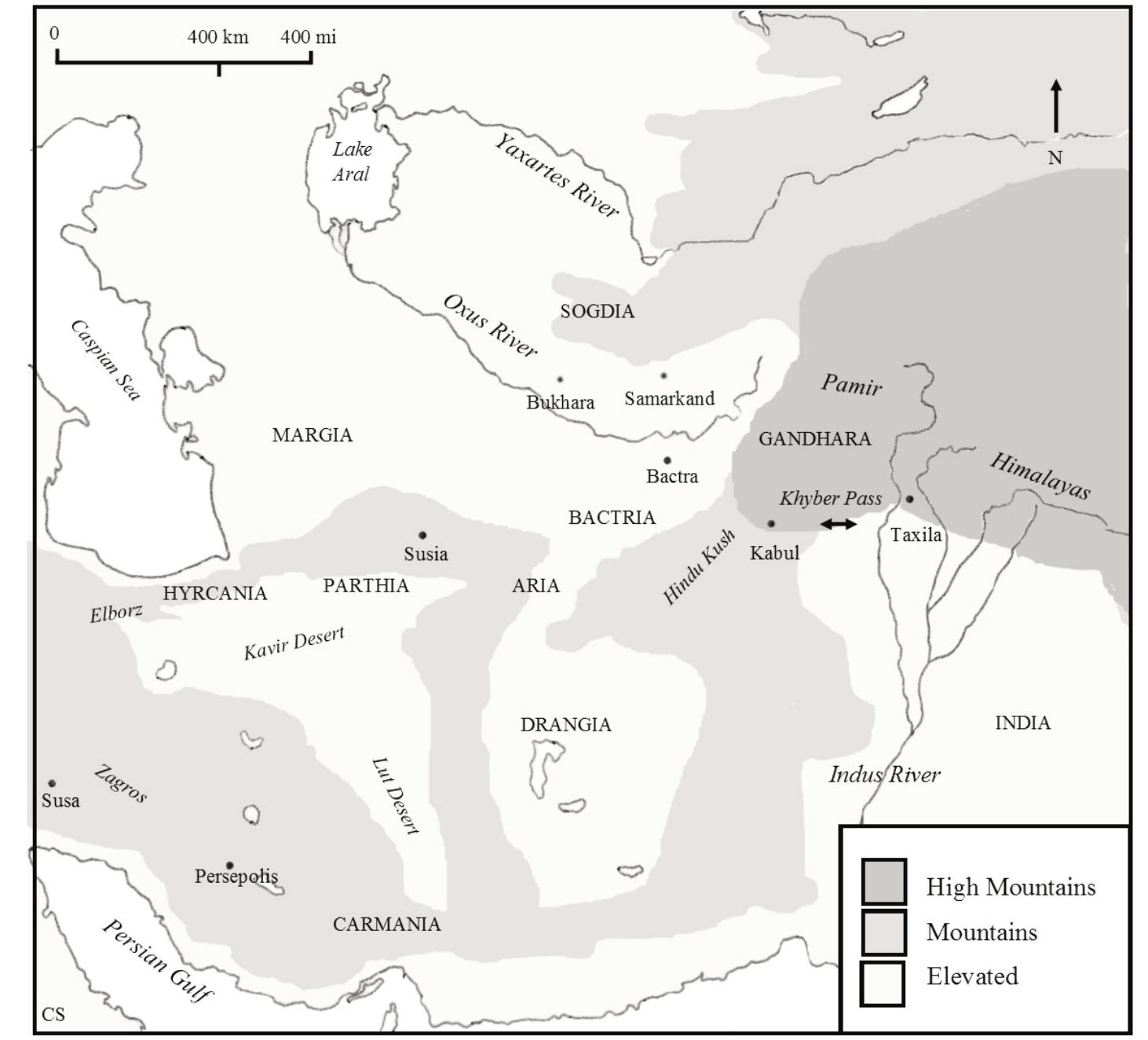
Abstract: The contacts between China and the Hellenistic world may trace back to the establishment of the Silk Road. From the Chinese diplomat Zhang Qian (2nd century BC) onwards, many Chinese and foreign envoys, merchants, and even monks to and fro between Central China and the Western Regions (Xiyu,) as far as the Mediterranean and India, brought information of Roman and Hellenistic Civilization into China. Reflections of messages and oral reports are to be found in the early Chinese official historical books. Although the records about them are sometimes confused, ambiguous, or even anachronistic, they actually provide first-hand information about the Western Regions where Greek and Roman culture once prevailed. This article will focus on the records about the Western Regions in the so-called Early Four Historical Books () and try to discern the clues hiddden in them which contain the information of Hellenistic and Roman world and the courses and the way by which this kind of information was brought into China and eventually mingled with the main stream of Chinese historical and cultural tradition. Introduction The so-called " Early Four Historical Books " consist of Shiji () by Sima Qian (遷), Hanshu () by Ban Gu (), Houhanshu () by Fa Ye (), and Sanguozhi () by Chen Shou (陳). One particular chapter in Sima Qian's work is devoted to the introduction of historical events and countries, peoples, and kingdoms in the Western Regions, i.e. the areas from the west of China to the Mediterranean. From Sima Qian onwards, the inclusion of one or more chapters focusing on the affairs of the Western Region in Chinese formal historical books became standard. The reasons for this are as follows: on the one hand, there had been a continuous link between Central China and the Western Regions, regardless of changes in the political situations
