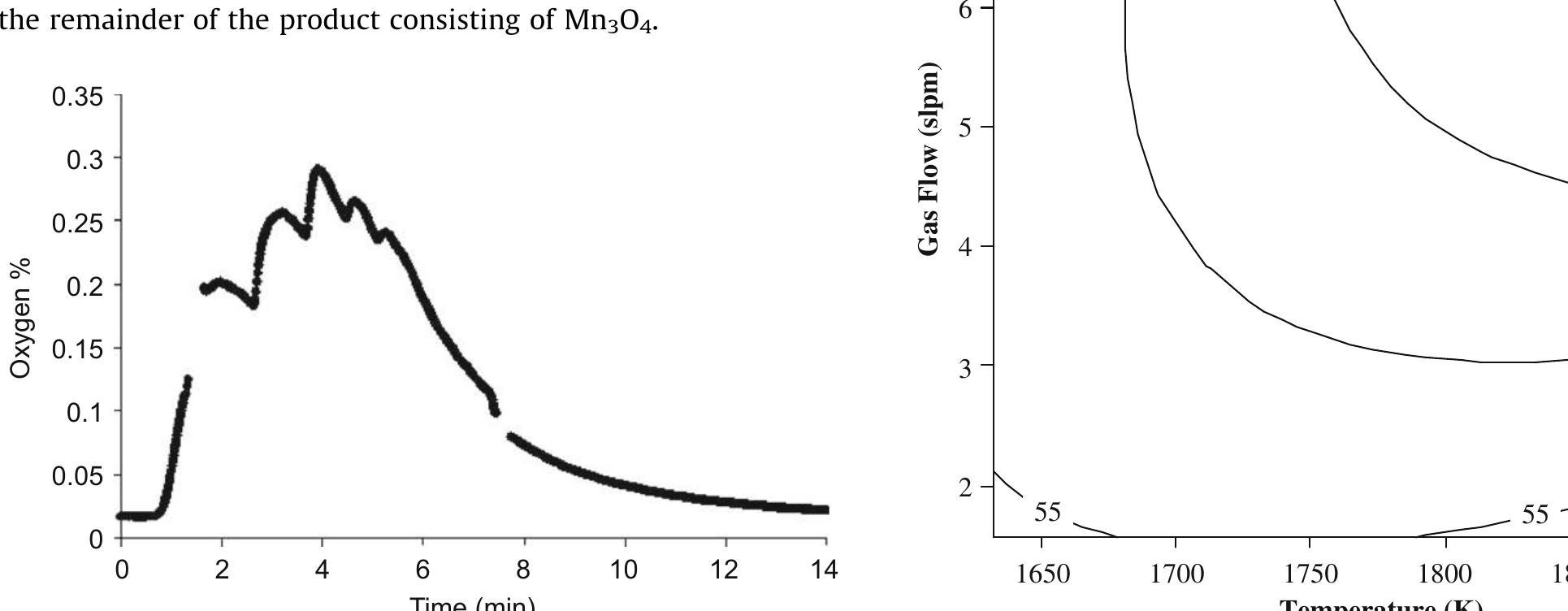
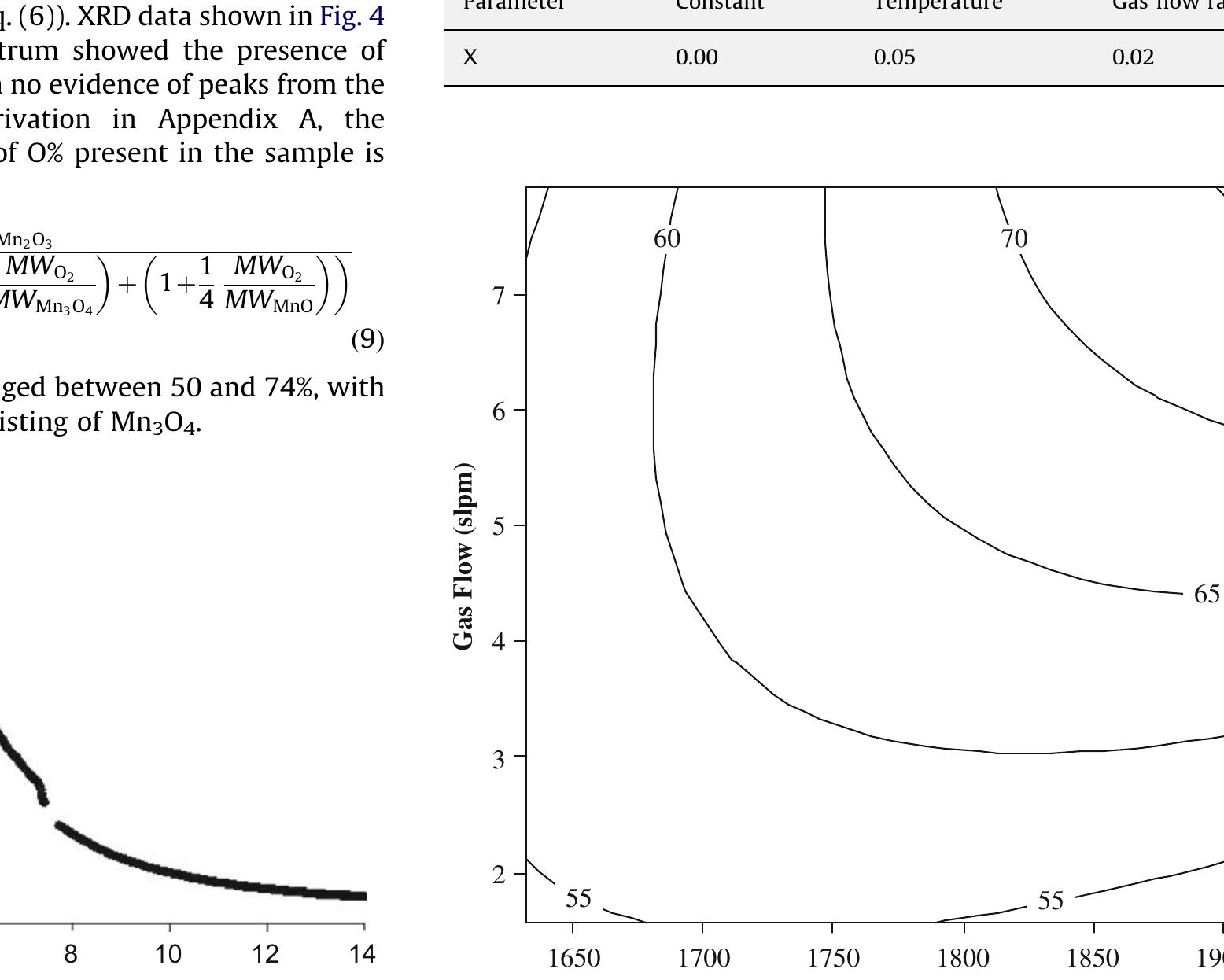
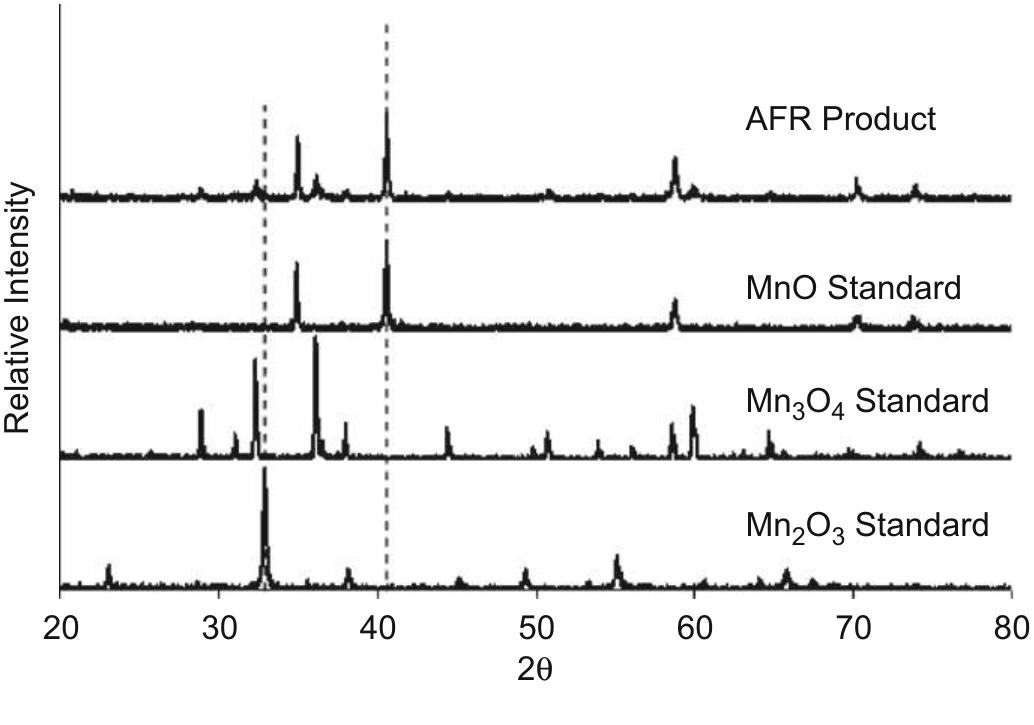
Fig. 3. O2 generation for Mn203 dissociation. Fig. 5. Contour plot of conversion to MnO.
subdirectory_arrow_right Figure source:
Abstract: ABSTRACT It is shown that the dissociation of Mn2O3 to MnO in a short residence time aerosol flow reactor can achieve high conversions approaching 75% when the concentration of oxygen is kept below 0.25%. Significant recombination reaction occurs when the oxygen content exceeds ∼0.25% by volume. A dual reaction mechanism for Mn2O3 dissociation was found: RAvrami−Erofeev=−A1e−Ea,1/RTn(1−X)[−ln(1−X)](n−1)/nROrder_of_reaction=−A2e−Ea,2/RT(1−X)n with the transition from one mechanism to the other occurring at an extent of reaction of approximately 0.6. Rate constants for the two mechanisms were calculated to be 1.8×10⁷±1.3×10⁷ and 5.6×10³±4.1×10³s−1, respectively, for oxygen concentration
... Read more Related topics:
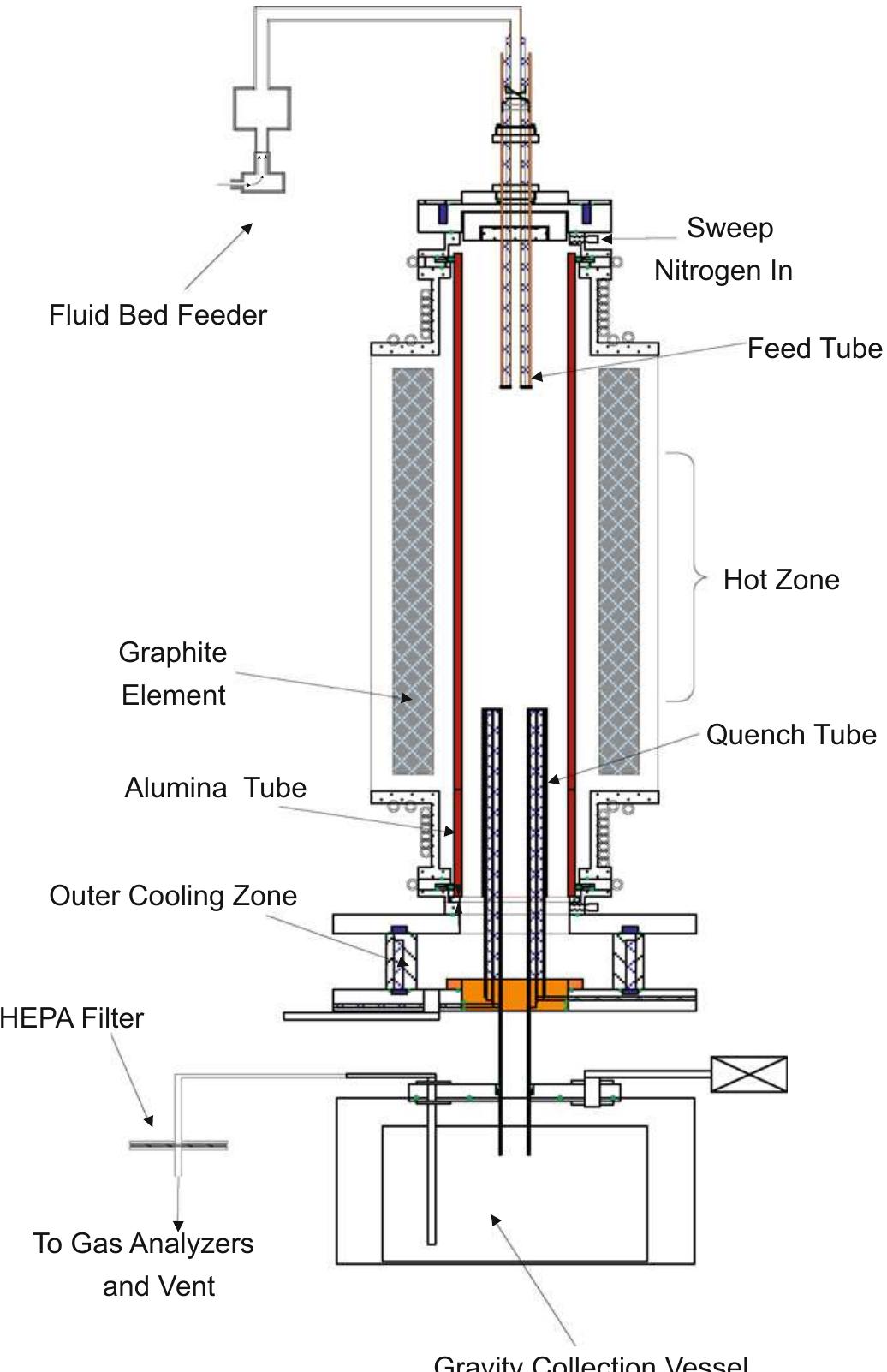
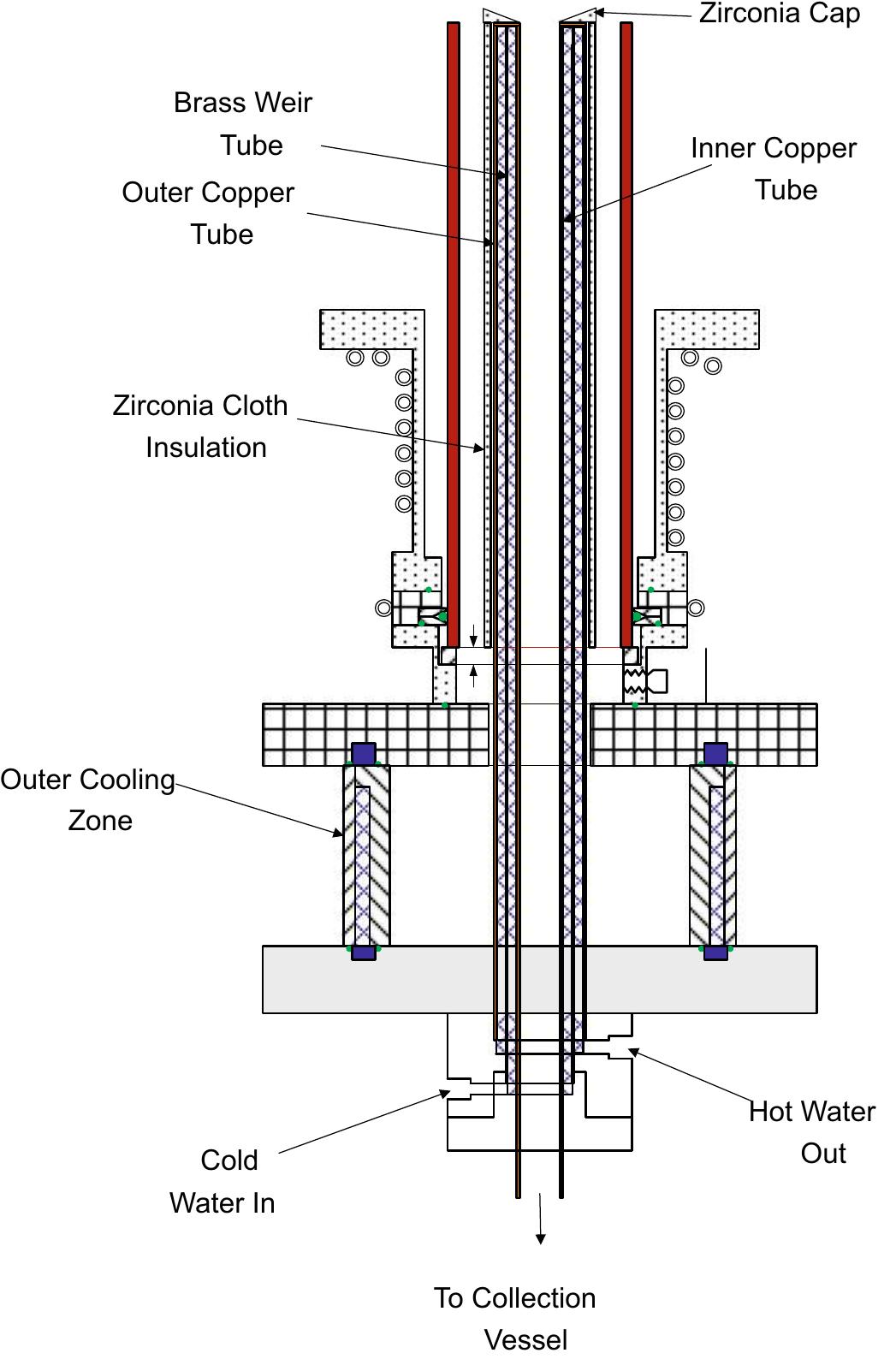
Mechanical Engineering Chemical Engineering Chemical Engineering Science Related Papers Abstract: A detailed CFD model was developed to better understand the kinetics and transport characteristics of Mn2O3 dissociation in an aerosol flow reactor (AFR). Radiation was the dominant mode of heat transfer (T=1673–1873K) and a relation for radiation from the walls and attenuating volume to any volume element in the reactor was developed. Results compared favorably to what was observed experimentally
... Read more
Abstract: A novel system composed by an aqueous slurry prepared by MnO and NaOH mixture was tested for the hydrogen production in the sodium manganese oxide thermochemical cycle. The hydrogen evolution occurs at lower temperature than conventional mixtures utilized in the cycle. Experiments performed in a Temperature Programmed Desorption/ Reaction apparatus (TPD/TPR) have evidenced hydrogen production around 500°C. The hydrolysis step of α-NaMnO 2 has been studied and the importance to conduct hydrolysis reaction under inert gas is discussed. A manganese disproportion mechanism is hypothesized to explain the appearance of manganese (II) and manganese (IV) containing phases.
... Read more
Abstract: Thermochemical cycles that split water into stoichiometric amounts of hydrogen and oxygen below 1,000°C, and do not involve toxic or corrosive intermediates, are highly desirable because they can convert heat into chemical energy in the form of hydrogen. We report a manganese-based thermochemical cycle with a highest operating temperature of 850°C that is completely recyclable and does not involve toxic or corrosive components. The thermochemical cycle utilizes redox reactions of Mn(II)/Mn(III) oxides. The shuttling of Na þ into and out of the manganese oxides in the hydrogen and oxygen evolution steps, respectively, provides the key thermodynamic driving forces and allows for the cycle to be closed at temperatures below 1,000°C. The production of hydrogen and oxygen is fully reproducible for at least five cycles.
... Read more