

 B. Mullens


580 California St., Suite 400
San Francisco, CA, 94104
2016, Journal of economic entomology
https://doi.org/10.1093/JEE/TOW146…
5 pages

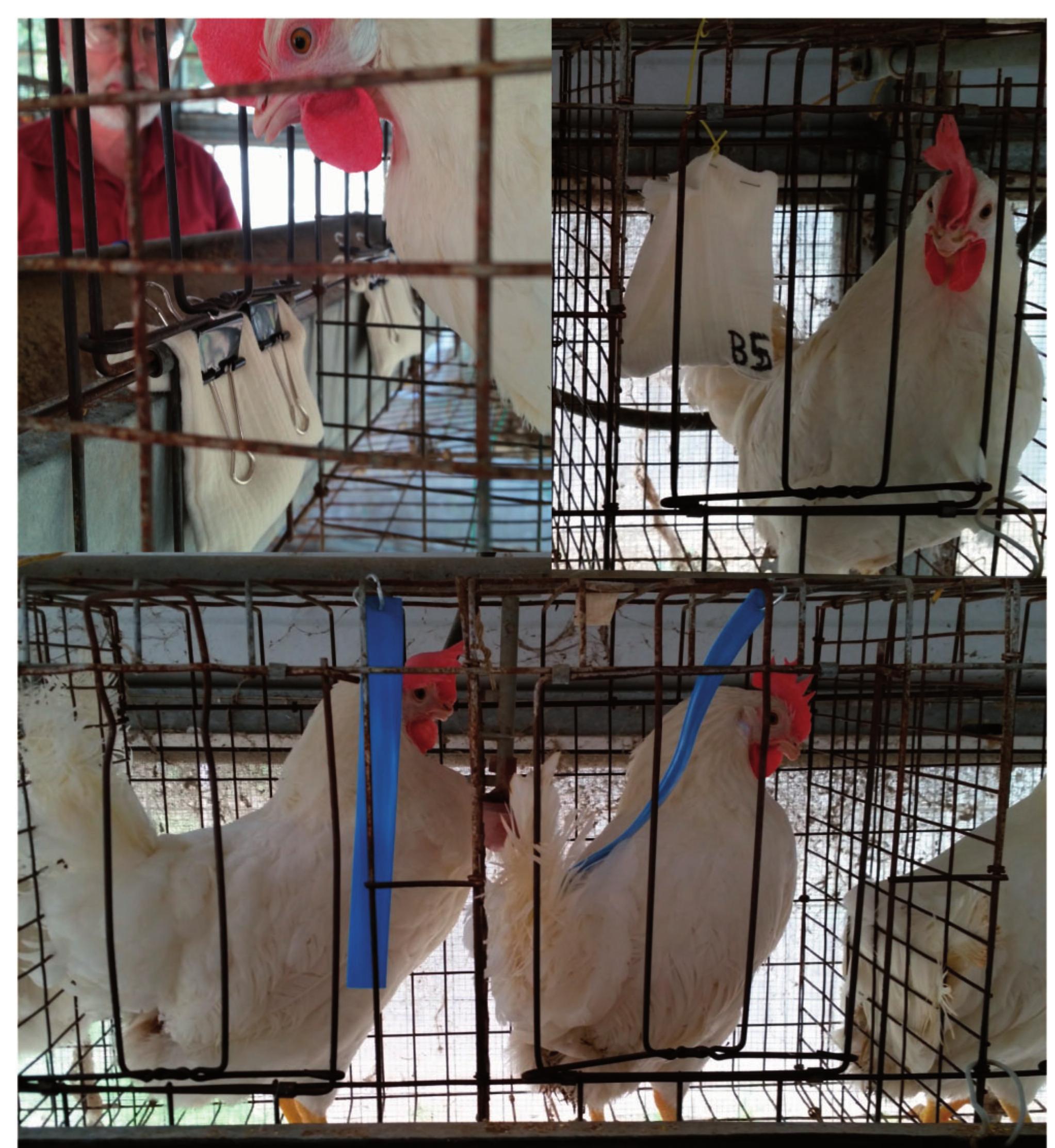
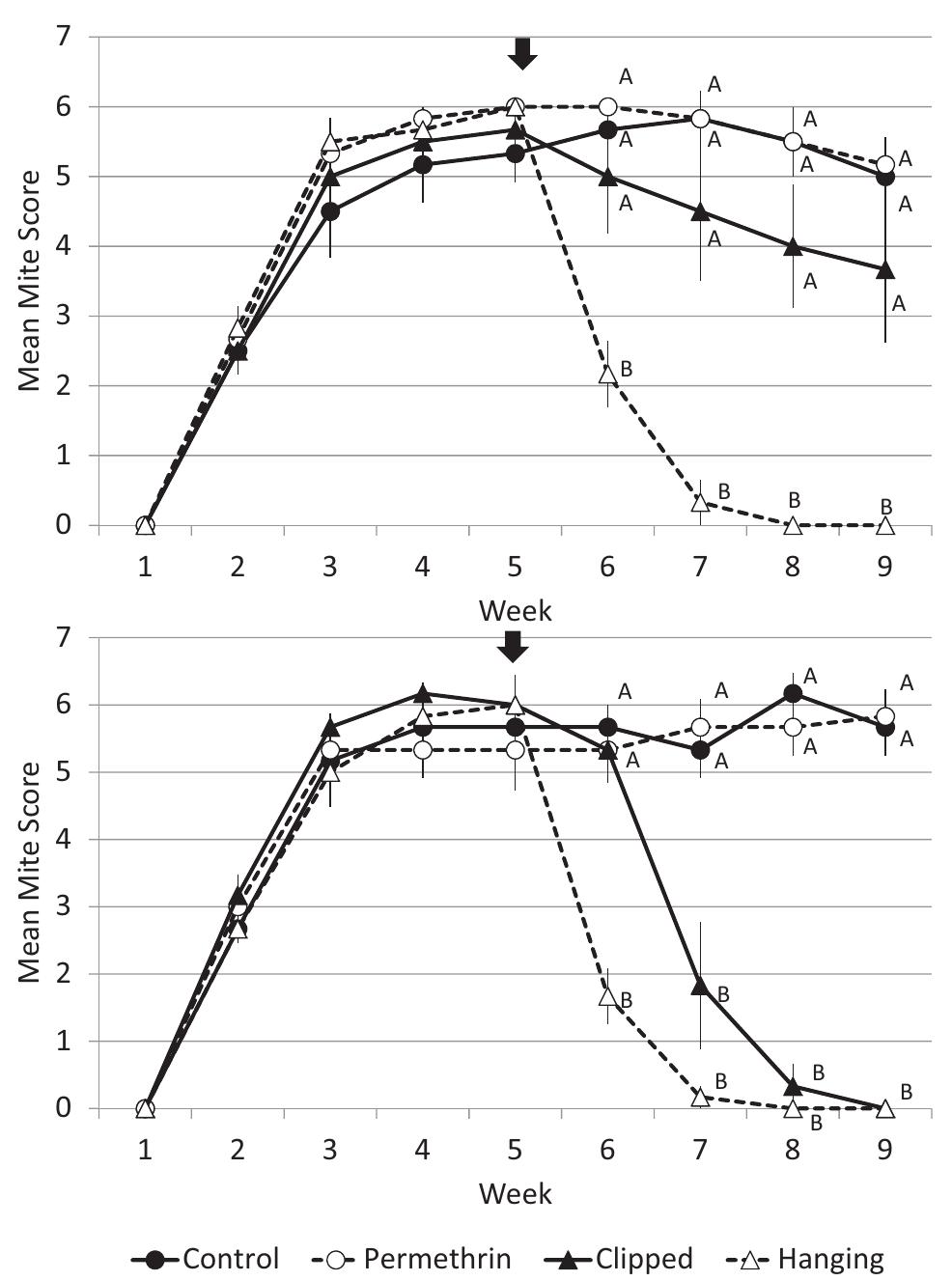
Animal welfare-driven legislation and consumer demand are changing how laying chickens are housed, thus creating challenges for ectoparasite control. Hens housed in suspended wire cages (battery cages) are usually treated with high-pressure pesticides. This application type is difficult in enriched-cage or cage-free production. Alternatives to pesticide sprays are needed in enriched-cage or cage-free systems. In this study, we tested the efficacy of sulfur dust deployed in "dust bags" for control against the northern fowl mite (Ornithonyssus sylviarum), which causes host stress, decreased egg production, and reduced feed conversion efficiency. Dust bags were hung from the tops of cages or were clipped to the inside front of cages. We also tested permethrin-impregnated plastic strips, marketed for ectoparasite control in caged or cage-free commercial and backyard flocks. Previous work has shown sulfur to be very active against poultry ectoparasites; however, we found that t...

AI
Parasites & Vectors
Background: Northern fowl mites (Ornithonyssus sylviarum) are obligate hematophagous ectoparasites of both feral birds and poultry, particularly chicken layers and breeders. They complete their entire life-cycle on infested birds while feeding on blood. Infestations of O. sylviarum are difficult to control and resistance to some chemical classes of acaricides is a growing concern. The contact susceptibility of O. sylviarum to a new active ingredient, fluralaner, was evaluated, as well as other compounds representative of the main chemical classes commonly used to control poultry mite infestations in Europe and the USA. Methods: Six acaricides (fluralaner, spinosad, phoxim, propoxur, permethrin, deltamethrin) were dissolved and serially diluted in butanol:olive oil (1:1) to obtain test solutions used for impregnation of filter paper packets. A carrier-only control was included. Thirty adult northern fowl mites, freshly collected from untreated host chickens, were inserted into each packet for continuous compound exposure. Mite mortality was assessed after incubation of the test packets for 48 h at 75% relative humidity and a temperature of 22°C. Results: Adult mite LC 50 /LC 99 values were 2.95/8.09 ppm for fluralaner, 1587/3123 ppm for spinosad, 420/750 ppm for phoxim and 86/181 ppm for propoxur. Permethrin and deltamethrin LC values could not be calculated due to lack of mortality observed even at 1000 ppm. Conclusions: Northern fowl mites were highly sensitive to fluralaner after contact exposure. They were moderately sensitive to phoxim and propoxur, and less sensitive to spinosad. Furthermore, the tested mite population appeared to be resistant to the pyrethroids, permethrin and deltamethrin, despite not being exposed to acaricides for at least 10 years.
Journal of Economic Entomology, 2000
Northern fowl mites were monitored on a caged-layer operation in southern California for 22 mo. Three experienced observers underestimated actual numbers of mites in the vent region Ϸ80% of the time. Errors were higher for heavy infestations. Observer estimates were highly correlated with each other (r Ͼ 0.89, P Ͻ 0.01) and with mite numbers estimated by vent feather removal (r Ͼ 0.82, P Ͻ 0.01). Mites on hens varied between houses and over time. Molting consistently reduced mite numbers, but did not eliminate them in a ßock. Long-term monitoring of individual sentinel hens demonstrated that some hens would support high numbers of mites for several months or more. Use of a new sequential hen sampling plan required Ϸ1 min per hen, if mite numbers were estimated. At this site, treatment decisions often could be reached in Ͻ20 min per house. Mite scores (index of estimated mites per hen) were well correlated with percentage of hens infested in both test houses. In a chronically infested house, prevalence of mites on eggs averaged 8.5%, with a range of 0 Ð55%. Applications of tetrachlorvinphos-dichlorvos by the producer appeared to be based on mites on Ͼ about 20% of eggs. The chemical was marginal for controlling mites on hens (25% reduction in percentage of hens infested), but effectively reduced mites on eggs (95% fewer mites on eggs at 1 wk and 90% at 2 wk). When data were grouped by mite index score on hens, there was a strong relationship (r 2 ϭ 0.83, P Ͻ 0.01) between mite prevalence on eggs and the scores of the hens which laid them. Sampling 100 eggs evenly spaced in a house required Ͻ7 min, and adult mites were easily seen. Sampling mites on eggs appears to be useful to localize at least high-level infestations, and egg-based sampling for mites merits further investigation.
Veterinary Parasitology, 2007
Infestations with the poultry red mite Dermanyssus gallinae represent a major ectoparasite problem in poultry and can affect egg layers worldwide. There is presently a lack of an ectoparasiticide in Europe for poultry which can assure a 0-day withholding period for eggs. In this study, ByeMite 1 (phoxim 50%, Bayer HealthCare, Animal Health Division) was administered to treat a D. gallinae infestation in a poultry house stocked with egg-laying hens kept in a cage system. A layer house was sprayed twice within a 7-day interval using a solution containing 2000 ppm phoxim and a similar layer house was used as an untreated control unit. Specially developed D. gallinae traps made of cardboard were used to assess the mite density in both layer houses during a 49-day period after the treatment. In order to collect mites, the traps were placed on days À1, 2, 6, 9, 13, 20, 34 and 48 and always removed after 24 h. The collected mites were counted and differentiated according to their developmental stage (mite eggs, larvae, nymphs, adults). Three days after the first spray treatment, the efficacy against all mite stages (larvae, nymphs, adults) was 96.1%, and from day 7 post-treatment until the end of the trial (day 49) the efficacy exceeded 99%. In contrast, in the untreated layer house (negative control group) the mite population showed a 400% increase. No treatment-related side effects in chickens were detectable. It is concluded that two administrations of ByeMite 1 within a 7-day interval are highly effective against D. gallinae infestations in a stocked poultry house.
Archives of Veterinary Medicine, 2017
The past decades of clinical practice in poultry farming are character-ized by inadequate control of one of the most important poultry ectopara-site, the red poultry mite (Dermanyssus gallinae). Therefore, the program for control of D. gallinae based exclusively ona physical mechanisms of action of acaricides has been developed in Serbia since 2012. By the beginning of 2017, a synergistic relationship between paraffi n and silicone oils was observed by our team, and its effi ciency in preventing the red poultry mite from respiring was examined. For laboratory examination the Petri dish and tin-box methods were used. Direct, full 1-minute exposure of adult mites to the recommended (15 and 20%) or even much lower concentration of the formulation resulted in 100% mortality aft er 24 hours. Subsequent 1-hour exposure (24 hours aft er application onto treated non-absorbent surface of adult mite) resulted in 100% mortality with the same concentrations. The long term eff ect depends on the...
Journal of Occupational Medicine and Toxicology, 2009
The Canadian poultry production industry contributes nearly $10 billion to the Canadian economy and employs nearly 50,000 workers. However, modern poultry facilities are highly contaminated with airborne dust. Although there are many bioaerosols in the poultry barn environment, endotoxin is typically attributed with the negative respiratory symptoms observed in workers. These adverse respiratory symptoms have a higher prevalence in poultry
Veterinary Parasitology, 2009
Establishment and spread of Ornithonyssus sylviarum were documented through time on sentinel hens (50 per house of 28,000-30,000 hens) in the first egg production cycle of three large commercial flocks (12 houses) of white leghorn hens. Mites were controlled using acaricide, and the impacts of treatment on mite populations and economic performance were documented. Mite prevalence and intensity increased rapidly and in tandem for 4-8 weeks after infestation. Intensity declined due to immune system involvement, but prevalence remained high, and this would affect mite sampling plan use and development. Early treatment was more effective at controlling mites; 85% of light infestations were eliminated by a pesticide spray (Ravap), versus 24% of heavy infestations. Hens infested later developed lower peak mite intensities, and those mite populations declined more quickly than on hens infested earlier in life. Raw spatial association by distance indices (SADIE), incorporating both the intensity and distribution of mites within a house, were high from week-to-week within a hen house. Once adjusted spatially to reflect variable hen cohorts becoming infested asynchronously, this analysis showed the association index tended to rebound at intervals of 5-6 weeks after the hen immune system first suppressed them. Large, consistent mite differences in one flock (high vs. low infestation levels) showed the economic damage of mite parasitism (assessed by flock indexing) was very high in the initial stages of mite expansion. Unmitigated infestations overall reduced egg production (2.1-4.0%), individual egg weights (0.5-2.2%), and feed conversion efficiency (5.7%), causing a profit reduction of $0.07-0.10 per hen for a 10-week period. Asynchronous infestation patterns among pesticide-treated hens may have contributed to a lack of apparent flock-level economic effects later in the production cycle. Individual egg weights differed with mite loads periodically, but could be either higher or lower, depending on circumstances and interactions with hen weight. Individual hen weight gains were depressed by high/moderate mite loads, but the heavier hens in a flock harbored more mites. This led to compensatory weight gains after mites declined. Tradeoffs between resource allocation to body growth or production versus immune system function appeared to be operating during the early and most damaging mite infestation period, when high egg production was beginning and the hens were gaining weight. The results were related to other studies of mite impact on domestic hens and to wild bird-ectoparasite studies. Much of the mite economic damage probably is due to engaging and maintaining the immune response.
Turk. J. Vet. Anim. …, 2012
Only healthy laying hens are capable of producing an average of 280 eggs in 1 year of exploitation. Production of consume eggs takes place in intensive housing systems where the laying hens are still mainly kept in cages under controlled conditions. Technical infrastructure and hygiene quality do not guarantee a production atmosphere completely free from pollutants, including potential pathological risk factors. Laying hens and farm workers are exposed to large quantities of bioaerosols in henhouses. Bioaerosols represent a mixture of diff erent biological particles which can, under certain circumstances, cause health and welfare problems in animals. Th e most important components are dust, microorganisms, and microbial constituents, such as endotoxins. Because of this complexity, numerous measurements and the application of diff erent methods is necessary in order to assess the health eff ects of bioaerosols and defi ne future research goals. Th erefore, a literature review was carried out on bioaerosol composition and the amounts found in laying hen houses. Th is paper deals with dust and endotoxins: their sources, concentrations, and methods of determination. Th e wide range of particle concentrations is strongly infl uenced by the use of diff erent sampling and evaluation methods-and diff erent application and handling of the same method-as well as sampling time, season, and the type of laying henhouse. Th is paper recommends establishing occupational health limits on bioaerosols for animals and animal caretakers in laying hen dwellings.
International Journal of Biosciences, 2019
The economically important ectoparasites in chicken includes lice and mites that serves as vector of zoonotic diseases to humans. This study was conducted to determine the effects of natural surfactant and synthetic surfactant in dislodging ectoparasites from the breed of ZamPen native chickens procured randomly and acclimatized in a housing pen. Chickens were bathed with surfactants such as commercial shampoo, commercial powdered soap, formulated tobacco liquid soap, commercial liquid soap and water through three tub method. The physicochemical parameters of liquid soap was evaluated within the range. Results showed that there was a significantly high number of ectoparasites dislodged after the first and second applications of the treatments except those bathed with water only. However, after the third application of treatments, a significant number of ectoparasites were dislodged from chickens treated with commercial powdered soap and commercial liquid soap but significantly a low number of ectoparasites were dislodged from chickens treated with formulated tobacco liquid soap. This suggests that the remaining ectoparasites were not able to recover its population in chickens treated with formulated tobacco liquid soap after the third treatment application. The clinging ability of the ectoparasites may have been rendered weak within seven days after the third application. Dislodged ectoparasites include three species of lice such as Menopon gallinae, Menacanthus stramineus, Lipeurus caponis and two species of mites such as Ornithonyssus bursa and Megninia sp. Hence, the formulated tobacco liquid soap is effective and a potential alternative organic treatment in reducing ectoparasites on infested chickens.
The effects of different water application rates (3, 10, 15 and 30 mm/h) and of topsoil removal on the rate of downward water movement through the cryoturbated chalk zone in southern England were investigated in situ. During and after each application of water, changes in water content and matric potential of the profile were monitored and percolate was collected in troughs. The measured water breakthrough time showed that water moved to 1.2 m depth quickly (in 8.2 h) even with application rate as low as 3 mm/h and that the time was only 3 h when water was applied at a rate of 15 mm/ h. These breakthrough times were about 150 and 422 fold shorter, respectively, than those expected if the water had been conducted by the matrix alone. Percolate was collected in troughs within 3.5 h at 1.2 m depth when water was applied at 30 mm/h and the quantity collected indicated that a significant amount of the surface applied water moved downward through inter-aggregate pores. The small increase in volumetric water content (about 3%) in excess of matrix water content resulted in a large increase in pore water velocities, from 0.20 to 5.3 m/d. The presence of soil layer had effect on the time taken for water to travel through the cryoturbated chalk layer and in the soil layer, water took about 1-2 h to pass thorough, depending on the intensity.
Journal of entomology and zoology studies, 2015
A study was conducted to evaluate the efficacy of herbal ectoparasiticidalKeetguard liquid (M/s Ayurvet Limited) against louse infestation and to control the population of Musca domestica in poultry houses. Keetguard liquid efficacy compared with Deltamethrin. Keetguard liquid application was significantly (p<0.05) effective to decrease the lice count (Lipeurus caponis) by day 7th, 14th, 21st and 28th and results were in comparison with Deltamethrin. Fly repellent efficacy of Keetguard liquid was also in well comparison with Deltamethrin. 7th day, on post Keetguard liquid and Deltamethrin treatment birds showed increase in body weight. At the end of the study on 28th day body weight gain varied non significantly among Keetguard liquid and Deltamethrin treated birds but varied significantly (p<0.05) from untreated control group birds. Feed consumption was improved in ectoparasiticidal treated birds. Based on the results, it can be concluded that the Keetguard liquid showed very...
Journal of economic entomology, 2016
Northern fowl mite management on conventionally caged birds relies on synthetic pesticide sprays to wet the vent. Cage-free chickens cannot be effectively treated this way, and pesticide use is restricted in organic production. Dustbathing behavior is encouraged in newer production systems for increased hen welfare. Diatomaceous earth (DE) is an approved organic insecticide that can be mixed with sand in dustboxes, suppressing mites but not excluding them, and potentially allowing development of mite immunity. We tested two hypotheses: 1) that DE-filled dustboxes placed before northern fowl mite introduction (prophylactic use) prevents mite populations from reaching economically damaging thresholds, and 2) that bird exposure to low mite numbers allows for protective hen immunity to develop and suppress mites after dustboxes are removed. We also tested if different beak trimming techniques (a commercial practice) affect mite growth. Mites were introduced to birds after dustboxes were...
Experimental and Applied Acarology, 2009
The haematophagous poultry red mite (Dermanyssus gallinae) is the most important pest of egg laying hens in many parts of the world. Control has often relied on chemical pesticides, but inert dusts, which are thought to kill target hosts primarily by desiccation, have become one of the most commonly applied alternative control methods for poultry red mite in Europe. This development has occurred despite a lack of knowledge of the eYcacy of the diVerent types of inert dusts and how this is aVected by environmental parameters, e.g. the high relative humidity found in poultry houses. In this laboratory study the eYcacy of diVerent commercial inert dust products against D. gallinae is compared. All tested compounds killed mites, but there was a clear ranking of eYcacy (measured as weight loss after 24 h and as time until 50% mortality), particularly at 75% relative humidity (RH). At 85% RH the eYcacy was signiWcantly lower for all tested compounds (P < 0.001). Weight changes over time followed an exponential evaporation model until the mites started dying whereafter the rate of evaporation increased again and followed a slightly diVerent exponential evaporation model. A tarsal test showed that 24 h exposure to surfaces treated with doses much lower than those recommended by the producers is suYcient to kill mites as fast as when they were dusted with massive doses. These data emphasise the need for thorough treatment of all surfaces in a poultry house in order to combat D. gallinae.
Animals, 2015
The new legislation for laying hens in the European Union put a ban on conventional cages. Production systems must now provide the hens with access to a nest, a perch, and material for dust bathing. These requirements will improve the behavioral aspects of animal welfare. However, when hens are kept with access to litter, it is a concern that polluted air may become an increased threat to health and therefore also a welfare problem. This article reviews the literature regarding the health and welfare effects birds experience when exposed to barn dust. Dust is composed of inorganic and organic compounds, from the birds themselves as well as from feed, litter, and building materials. Dust may be a vector for microorganisms and toxins. In general, studies indicate that housing systems where laying hens have access to litter as aviaries and floor systems consistently have higher concentrations of suspended dust than caged hens with little (furnished cages) or no access to litter (conventional cages). The higher dust levels in aviaries and floor housing are also caused by increased bird activity in the non-cage systems. There are gaps in both the basic and applied knowledge of how birds react to dust and aerosol contaminants, i.e., what levels they find aversive and/or impair health. Nevertheless, high dust levels may compromise the health and welfare of both birds and their caretakers and the poor air quality often found in Animals 2015, 5 496 new poultry housing systems needs to be addressed. It is necessary to develop prophylactic measures and to refine the production systems in order to achieve the full welfare benefits of the cage ban.
Scientific Reports, 2020
The northern fowl mite, Ornithonyssus sylviarum, is one of the most common and damaging ectoparasites of poultry. As an obligate blood feeding mite, the northern fowl mite can cause anaemia, slower growth, and decreased egg production of parasitized birds. However, the impact of mites or other ectoparasites on hen behaviour or welfare is not well studied. Here, we use activity sensors (three-axis accelerometers) affixed to individual birds to continuously record hen movement before, during, and after infestation with mites. Movements recorded by sensors were identified to specific bird behaviours through a previously trained algorithm, with frequency of these behaviours recorded for individual birds. Hen welfare was also determined before, during, and after mite infestation of hens using animal-based welfare metrics. Northern fowl mites significantly increased hen preening behaviour and resulted in increased skin lesions of infested birds. Commercial poultry production in the United States is rapidly changing largely due to public concerns about animal welfare. Until recently, ca. 95% of egg layers in this country were housed in wire cages suspended off the ground 1 , but the industry is rapidly shifting toward cage-free housing for egg production 2 , and it is predicted that over the next decade at least 40% of birds will be housed in cage-free alternative housing systems 3. One aspect driving consumer demand of cage-free eggs is the perceived increase in the health and welfare of poultry housed in cage-free systems. However, animal welfare encompasses many aspects of animal health and behaviour, which can be complex and difficult to optimize 1,4. For example, while cage-free housing might provide birds greater freedom of movement throughout a poultry house, birds may also have increased exposure to ectoparasites through contact with the ground, other individuals, or with wild birds. The most common and damaging ectoparasite (external parasite) of commercial poultry in the United States is the northern fowl mite (NFM; Ornithonyssus sylviarum [Canestrini & Fanzango]; reviewed in 5). NFM are permanent ectoparasites that complete their entire life cycle on-host and can infest chickens regardless of housing type 6,7. NFM require blood meals to complete their life cycle and to reproduce. Birds heavily infested with NFM can suffer up to 6% blood loss per day 8. Through their feeding, mites induce skin inflammation, irritation, anaemia , and even death as a result of exsanguination 9-13. Mite-infested birds exhibit decreased egg production and reduced feed conversion efficiency 12,14. Infestation with mites or other ectoparasites can also contribute to animal discomfort and pain/injury, which may also hinder birds from fulfilling "normal" behaviours. Despite these obvious negative effects to bird health caused by NFM, they are largely ignored in current animal welfare assessments. In the widely adopted Welfare Quality 15 assessment protocol, only presence or absence of ectoparasites is noted; there is no qualitative or quantitative evaluation of ectoparasite infestation level or impacts to birds. Even the species of ectoparasite infesting an animal is not recorded, though impacts to animal health and production would be expected to vary by parasite species 12,13,16. In addition to differential impact by parasite species, the degree of impact will also vary based on severity of infestation, previous exposure to ectoparasites, and other factors. Linking degree of ectoparasite infestation to welfare metrics is a knowledge gap to optimizing high standards of animal welfare in poultry production. Few studies have examined the effect of NFM on the behaviour of chickens, and these studies were limited to caged birds 17,18. The time investment for traditional behavioural studies (using video-recording or by direct observation) severely limits the number of animals that can be examined as well as the observation period for
Poultry Science, 2004
Southern California caged layer operations were visited over 3 yr. Northern fowl mites from 26 field populations were tested for acaricide resistance using a capillary pipette and glass dish bioassay. One was a susceptible field population with no pesticide exposure for over 30 yr (reference site for resistance ratio calculation). Technical and commercial formulations of malathion, carbaryl (Sevin), permethrin, and a commercial formulation of tetrachlorvinphos/dichlorvos (Ravap) were tested. Malathion did not have high activity for mites relative to other materials, but resistance to both technical and commercial formulations was low (<5×). Resistance to other materials was moderate to extreme. Frequency of carbaryl resistance (>10×) was higher with the commercial (88%) than the technical material (41%); 19% of the populations had resistance >100× to commercial carbaryl. Fre
2000
Southern California caged layer operations were visited over 3 yr. Northern fowl mites from 26 field populations were tested for acaricide resistance using a capillary pipette and glass dish bioassay. One was a sus- ceptible field population with no pesticide exposure for over 30 yr (reference site for resistance ratio calculation). Technical and commercial formulations of malathion, car- baryl (Sevin),
Tsetse and other biting flies are among the known micro-predators that land on animal body to either feed on blood or body secretions. In the course, they transmit diseases and cause painful bite or irritation that could disturb and interrupt animals making livestock-based farming very difficult in areas like Arbaminch. The experiment was conducted to evaluate the effect of 0.4% deltamethrin-treated net in protecting cattle against these insects. Two identical cattle pens were constructed where one of them was encircled with treated net and the other with untreated net. Three oxen were introduced into each pen and defensive movements, disease status and Packed Cell Volume (PCV) of all animals as well as fly density around the pens and the bio-efficacy of both nets were monitored. The defensive movements of control animals were found stronger (p<0.05) than experimental animals with significant decline of both fly catch (90%) surrounding the experimental pen and PCV level (p<0.05) of control animals. The experiment showed that the treated net was effective throughout the period of experiment providing adequate protection to the animals, although further research is required to determine the socioeconomic impact, maximum period of insecticide persistence and cost effectiveness for area wide application.
Bulletin of the National Research Centre
Background: For the sake of environmental safety, many sulfur formulations were recommended in many Integrated Pest Management (IPM) programs to protect, particularly, edible vegetables and fruit trees from insect and mite pests as well as plant pathogenic diseases. Such formulations, at the recommended application rates, proved to be safer to mammals. Regarding their safety to beneficial arthropods, diversified results were reported. This study was designed to investigate and evaluate the impact of sulfur formulation against some natural enemies naturally prevailing in some vegetable crops. Method: Sulfur formulation (Agricultural Sorell-98%) was recommended by the Ministry of Agriculture, Egypt, as a protectant for vegetable crops against some plant diseases and piercing-sucking pests (aphis, whiteflies, thrips, and mites) at the rate of 30 kg/Feddan 30 days post plantation. The experiment was undertaken in two similar rectangle areas during the season (2016/2017). Each area about 700 m 2 was sown with marrow plant. The first area was divided longwise into two halves, each half comprises six rows and divided horizontally into four plots each about 75 m 2. Similar plots were done in the second area but no treatments were made (check area). Monitoring the density fluctuations of the natural enemies in the target areas was undertaken at certain intervals (just before dusting, 2, 12, 24, 48, and 72 h and 7 days after application) and achieved early in the morning (7 am). Fifty plants were inspected per plot per time interval in treated and untreated areas. The average number of each natural enemy/time interval and percent increase or decrease in the population density in the treated half and the untreated one were calculated. Results: The obtained data revealed that the least number of the prevailing adults was recorded at the treated plot after 2 h post treatment for Coccinella and after 12 h for Stethorus adults. In addition, it could be observed that the mean number of the recorded adults occurred in the untreated plot of the first area was increased significantly than that of the untreated second area at 12 and 48 h and after 1 week post treatment, this could be referred to the following: when the treated plot was sprayed with sulfur compound, most of the prevailing adults escaped from the dust and migrate to the untreated plot or other clean plants (untreated plot or other surrounding plants), then they returned back gradually to the treated plot. Conclusion: The obtained results clarify that the intelligent handling of sulfur formulations in order to control some pests and plant diseases with minimal or harmless effects towards the adult predators under investigation must be taken in consideration; thus, this could be more favorable to keep the environment clean and non-polluted. In addition, results throw light on that Stethorus punctillum was more susceptible than Coccinella undecimpunctata especially for the sulfur residues on treated plants.
