Key takeaways
AI
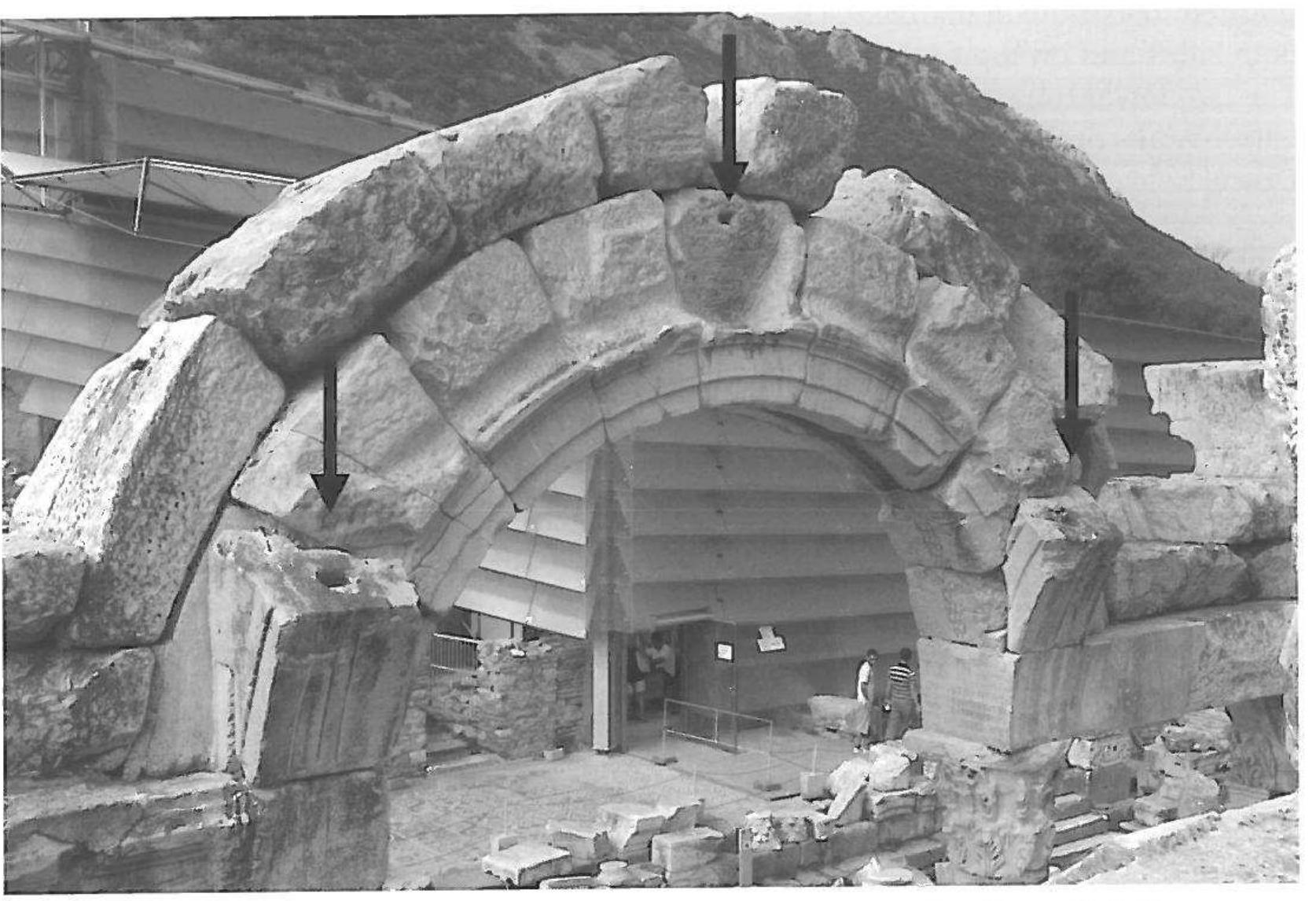
- The research delves into the architectural history of the Temple of Hadrian in Ephesus.
- It analyzes construction techniques and materials used in the temple's building phases.
- The study includes a critical assessment of previous archaeological findings.
- It provides insights into the cultural significance of the temple in ancient Ephesus.
- The text contributes to the broader understanding of Roman temple architecture.

Loading Preview
Sorry, preview is currently unavailable. You can download the paper by clicking the button above.
FAQs
AI
What architectural features characterize the Temple of Hadrian in Ephesus?add
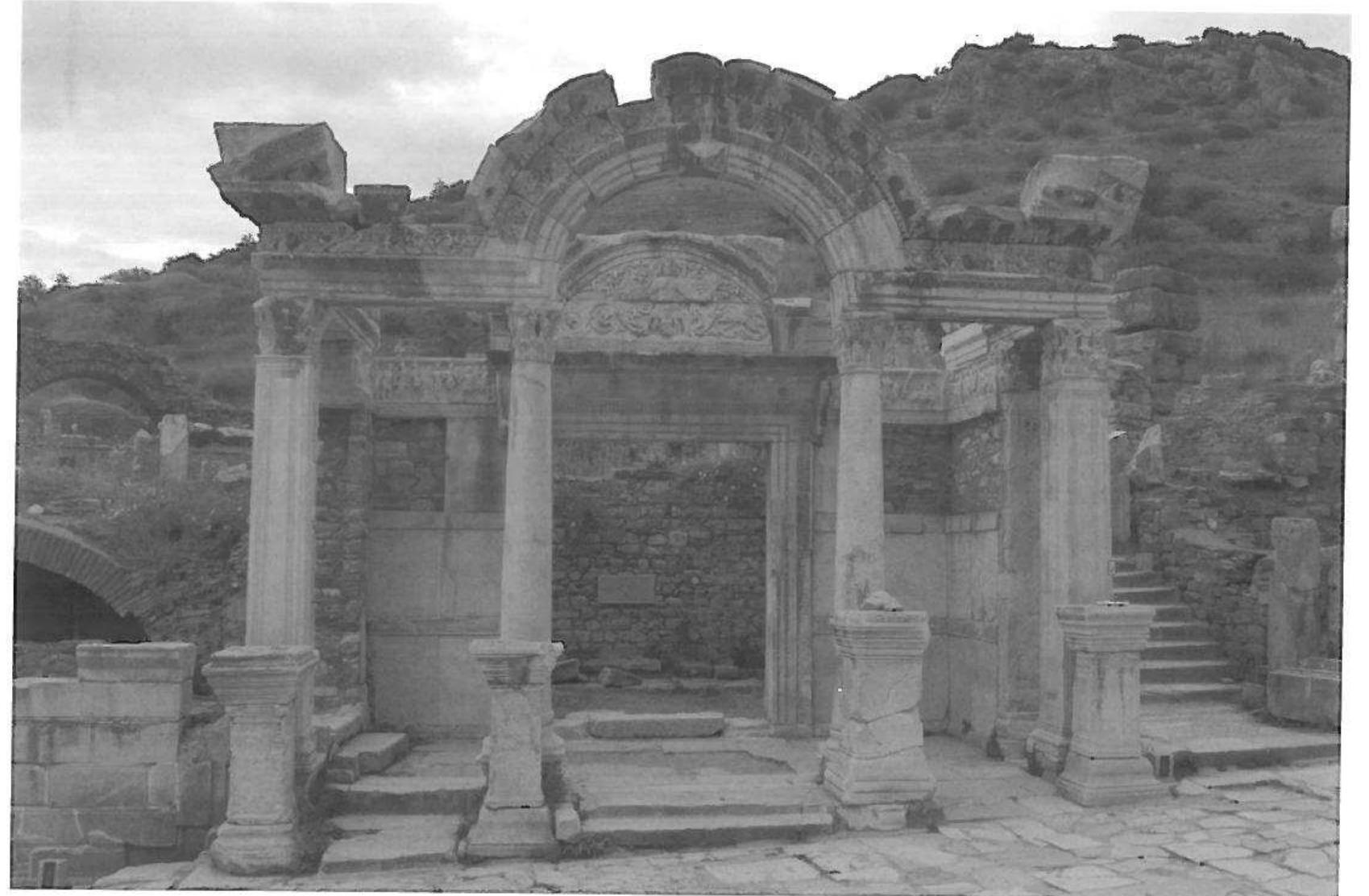
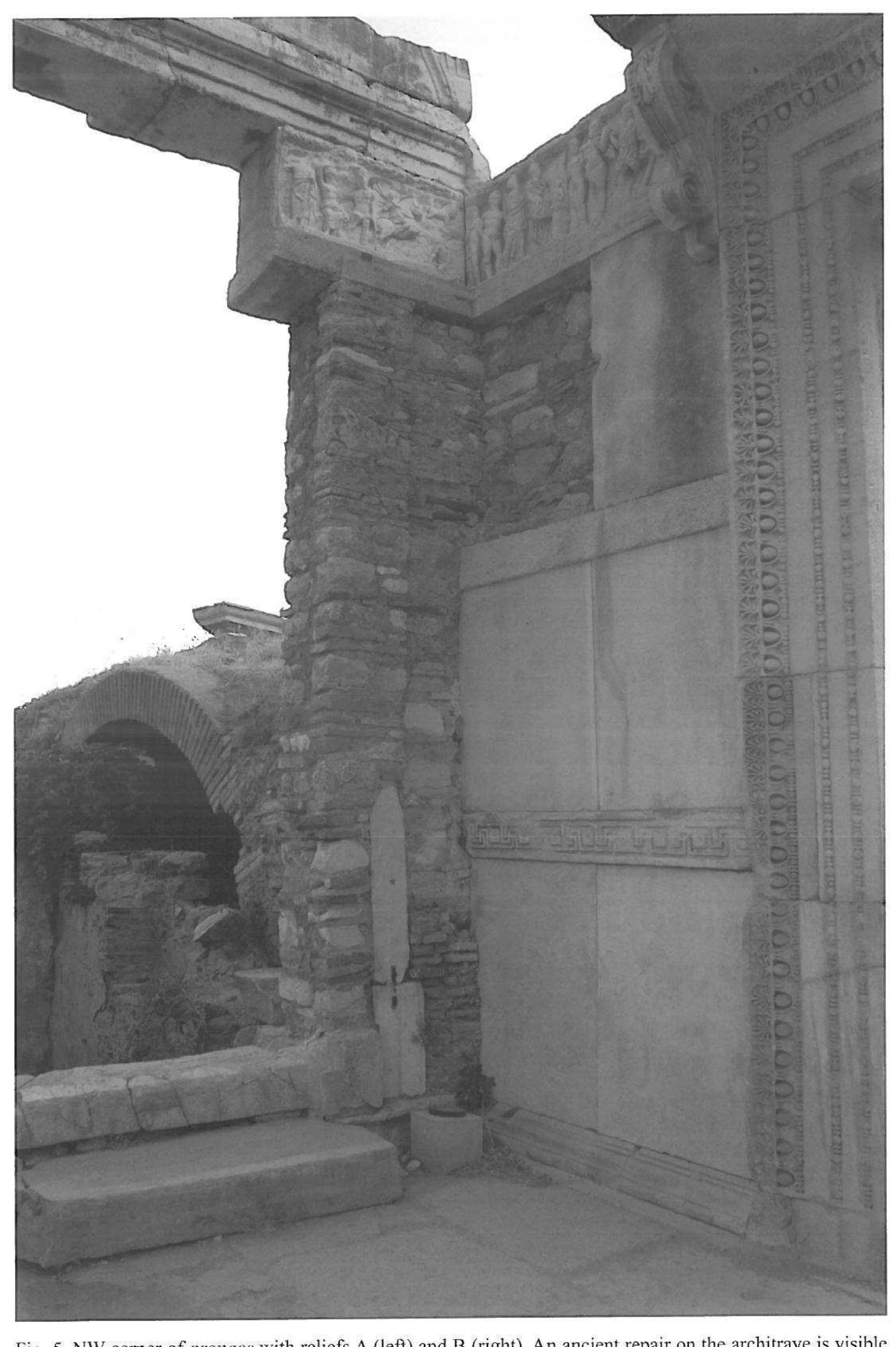
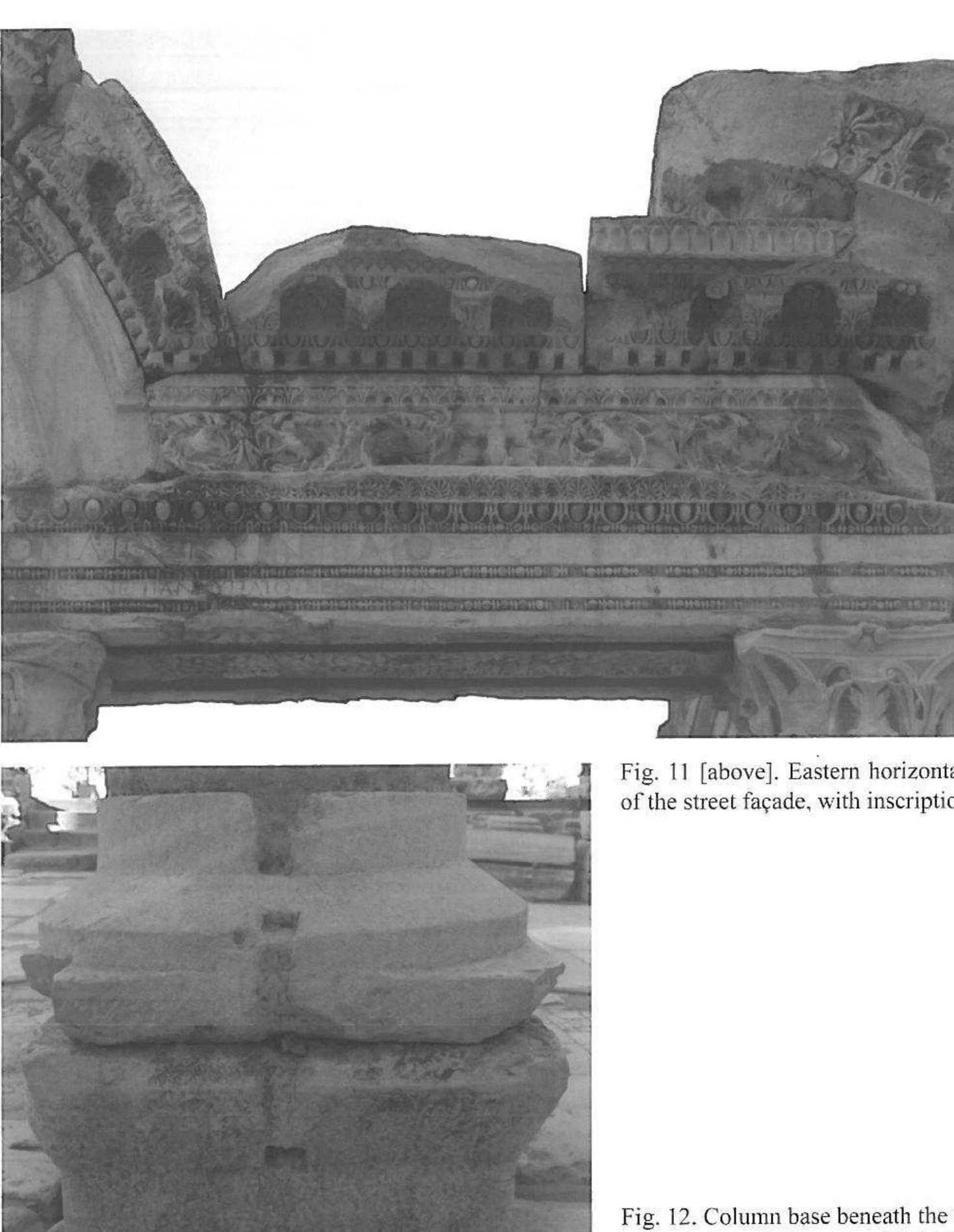
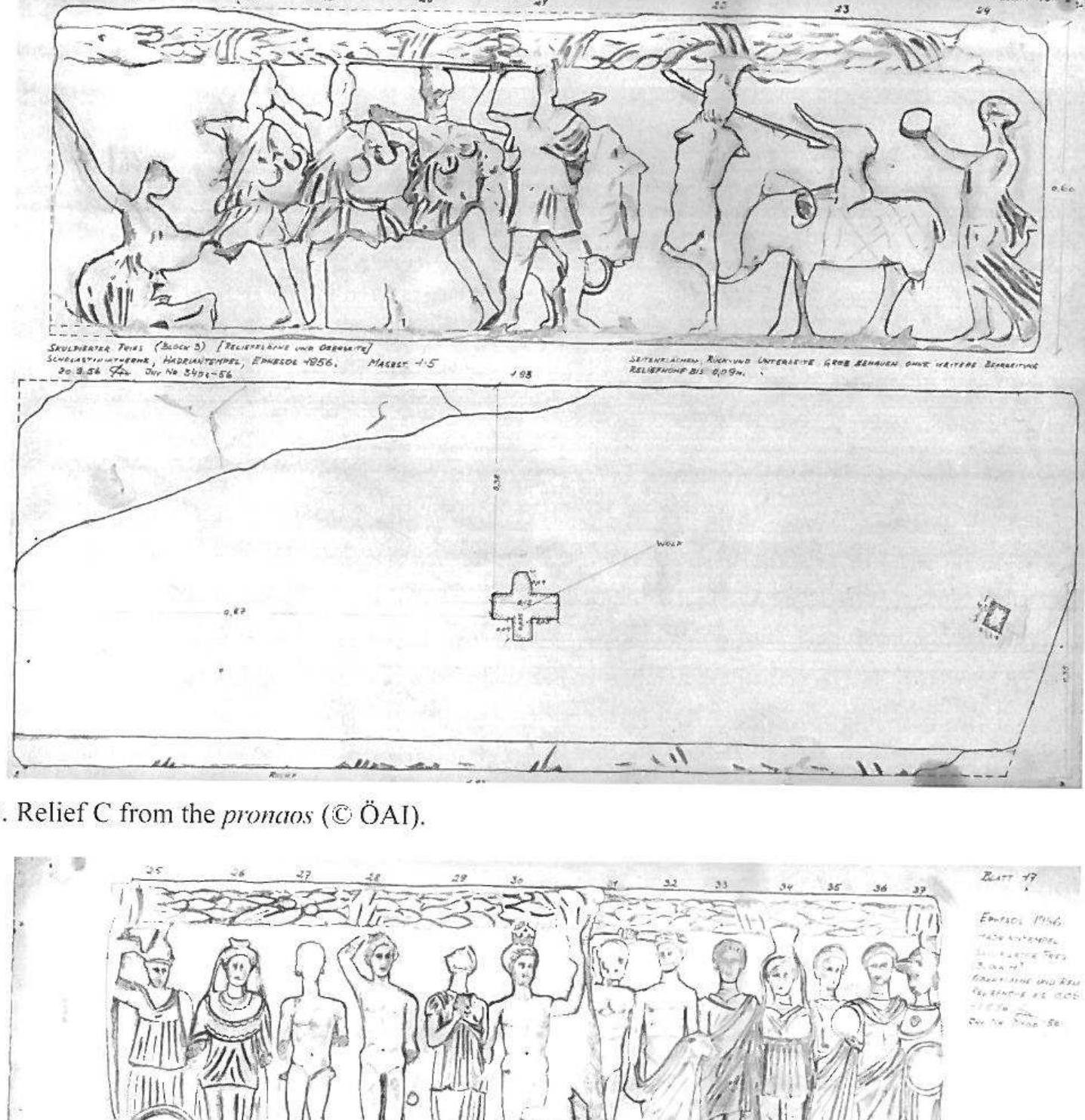
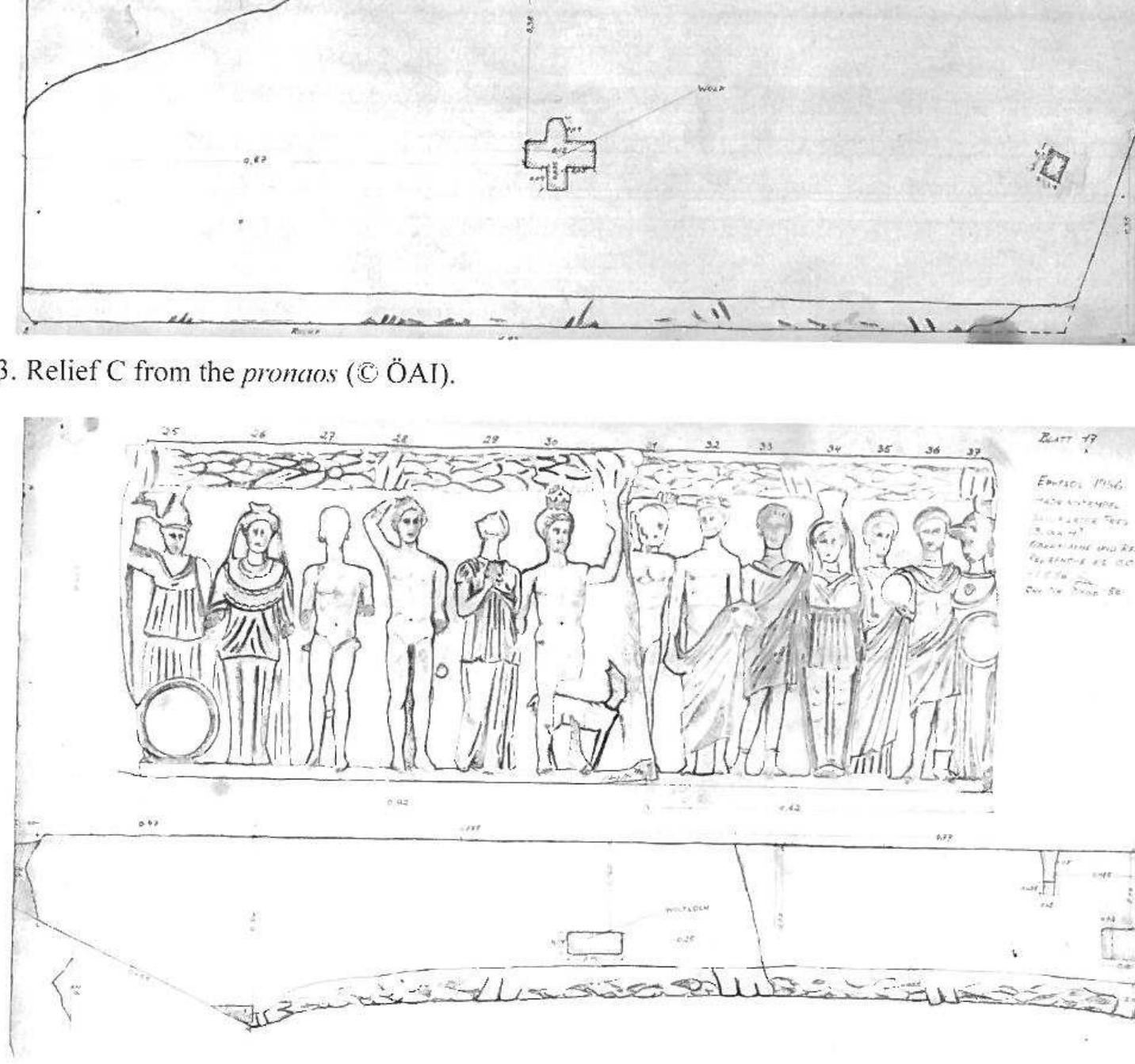
The research highlights its Corinthian columns and intricate friezes depicting mythological scenes, showcasing Hellenistic influence.
How did recent excavations alter the understanding of the temple's construction timeline?add
New excavation data suggests the temple was completed around 138 CE, contradicting previous estimates placing it at 150 CE.
What materials were predominantly used in the Temple of Hadrian’s construction?add
The study reveals that locally sourced marble from the nearby quarries was the primary material, ensuring structural integrity and aesthetic value.
What changes in function of the Temple of Hadrian are identified through historical analysis?add
The findings indicate that the temple transitioned from a pagan site to a Christian space by the late 4th century CE.
How does the temple’s location influence its historical significance?add
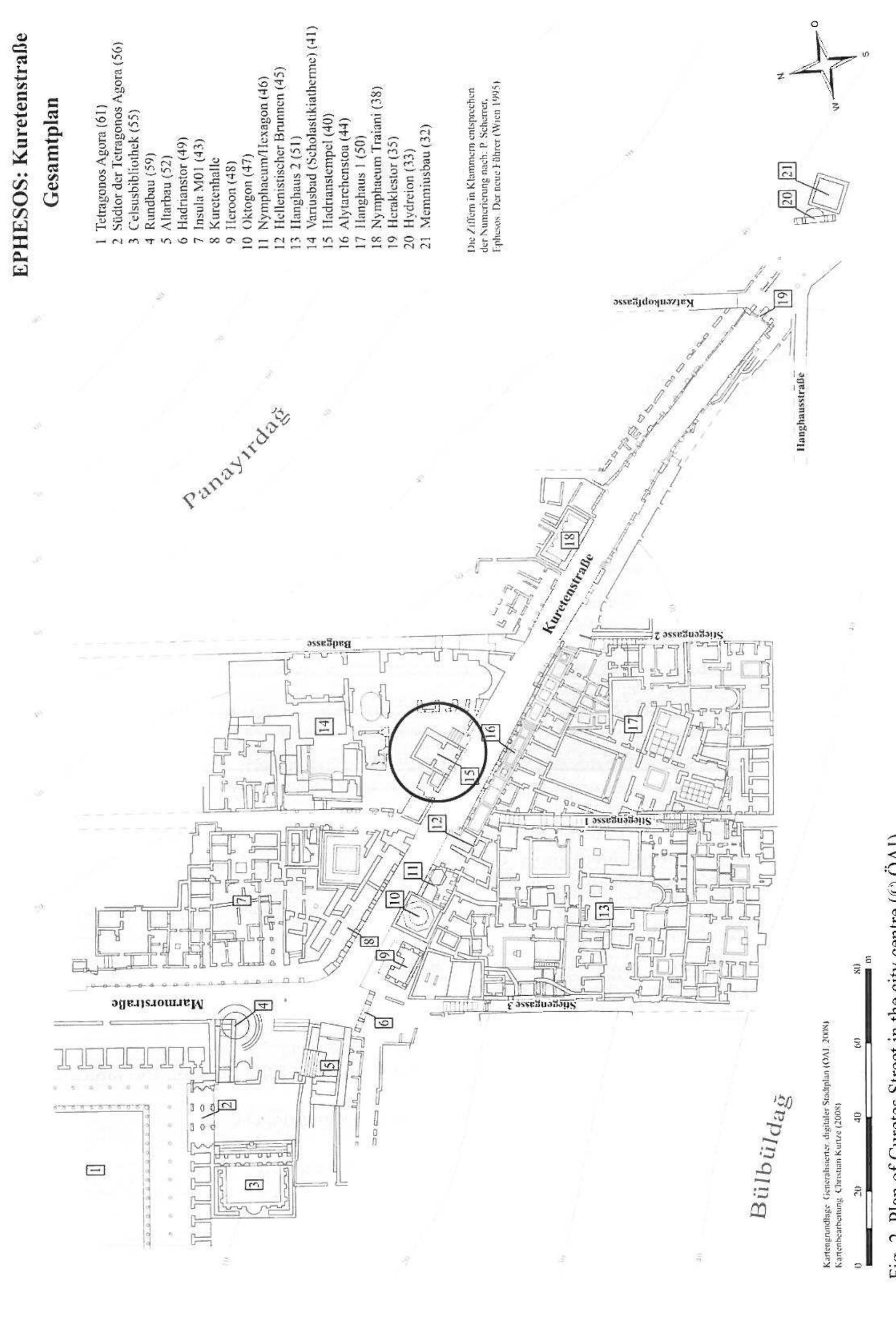
Situated on Curetes Street, its position underscores Ephesus' role as a cultural and religious hub in the Roman Empire.


 Ursula Quatember