Academia.eduAcademia.edu

Outline

Arab Spring in Tunisia, Egypt and Libya: Comparative Analysis of Causes and Determinants

Abstract
sparkles

AI

The research examines the comparative analysis of the Arab Spring movements in Tunisia, Egypt, and Libya, emphasizing the socio-political and economic factors that fueled these uprisings. Key issues addressed include governance deficiencies, human rights violations, and economic challenges faced by these nations prior to the revolts. Through data comparison and analysis, the study highlights the imperative of institutional reforms and democratization for the success of the movements and emphasizes the need for sustained efforts to achieve long-term socio-economic stability.

Key takeaways
sparkles

AI

  1. The Arab Spring, starting December 18, 2010, led to regime changes in Tunisia, Egypt, and Libya.
  2. Factors such as corruption, unemployment, and human rights violations fueled protests across North Africa.
  3. Food prices surged by 40% between January 2010 and February 2011, exacerbating unrest in the region.
  4. Egypt, Libya, and Tunisia experienced similar socio-political challenges, but with varying degrees of intensity.
  5. Institutionalizing participatory democracy is crucial for sustaining the gains of the Arab Spring.
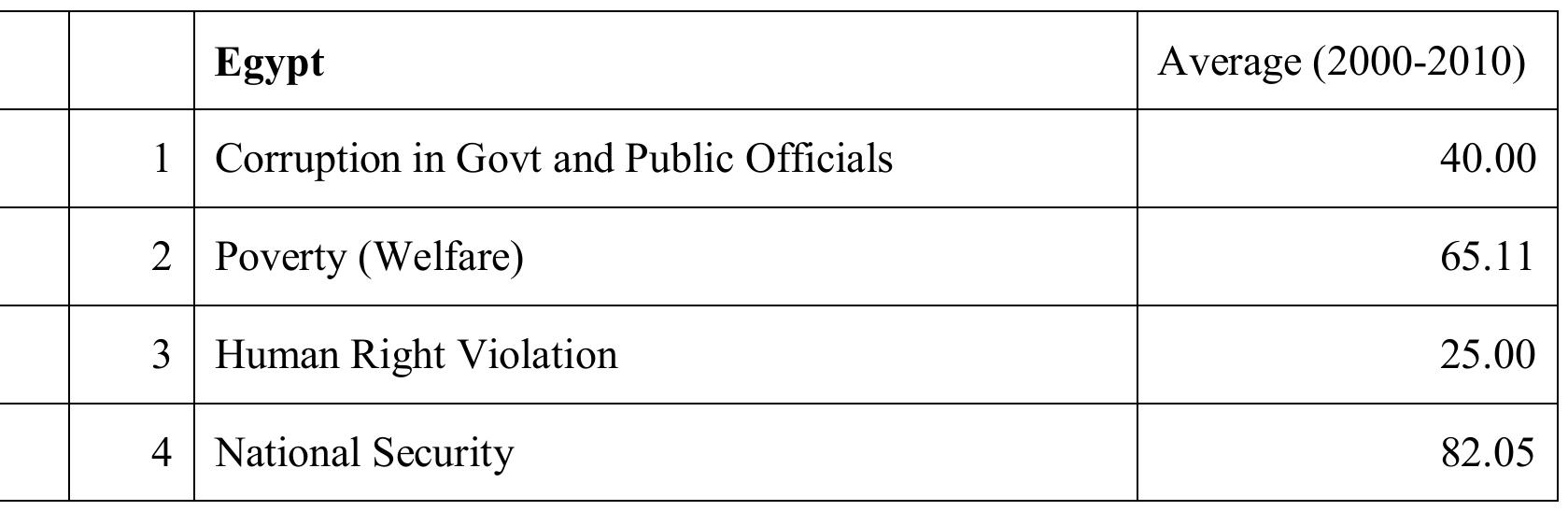
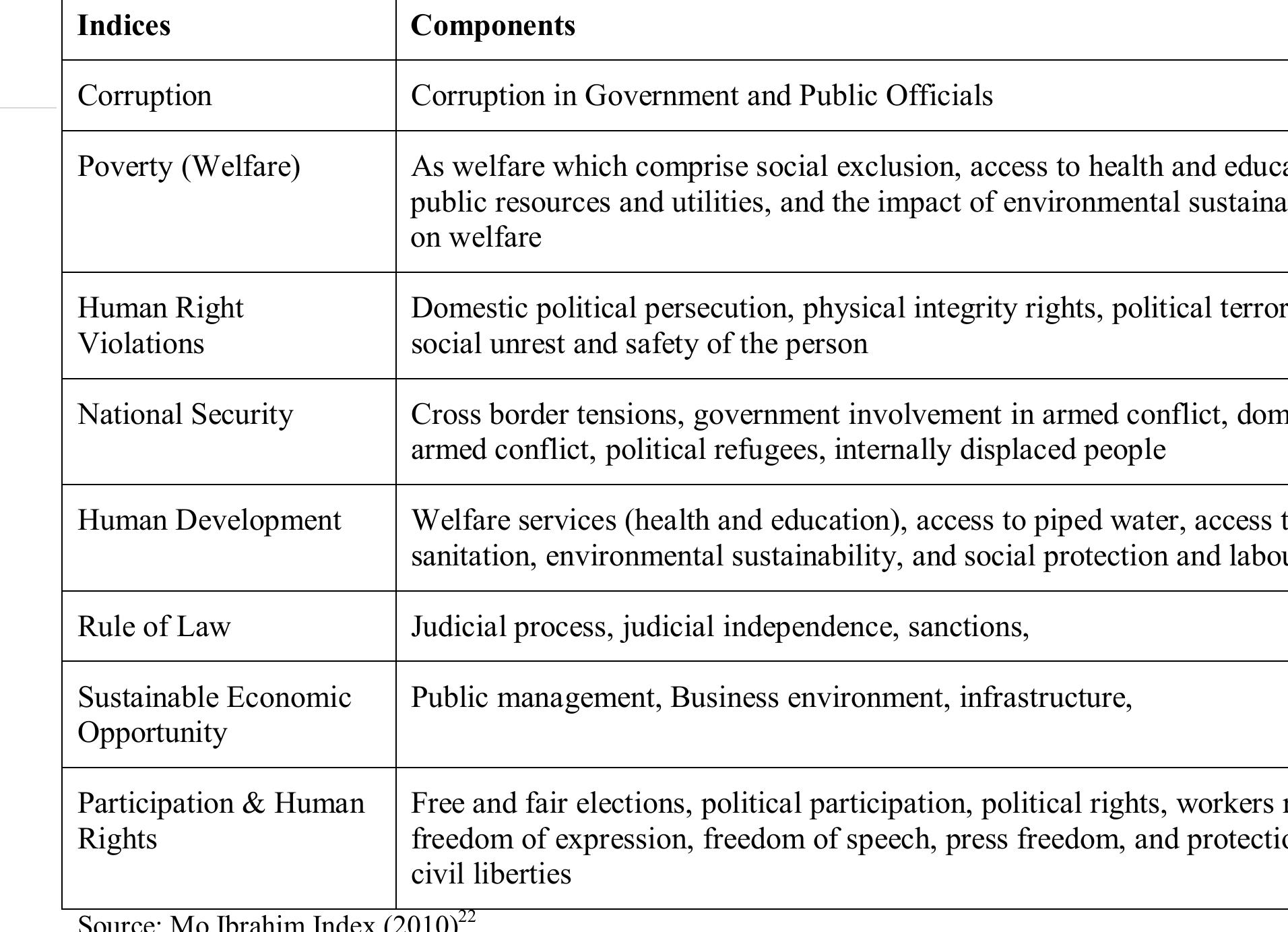
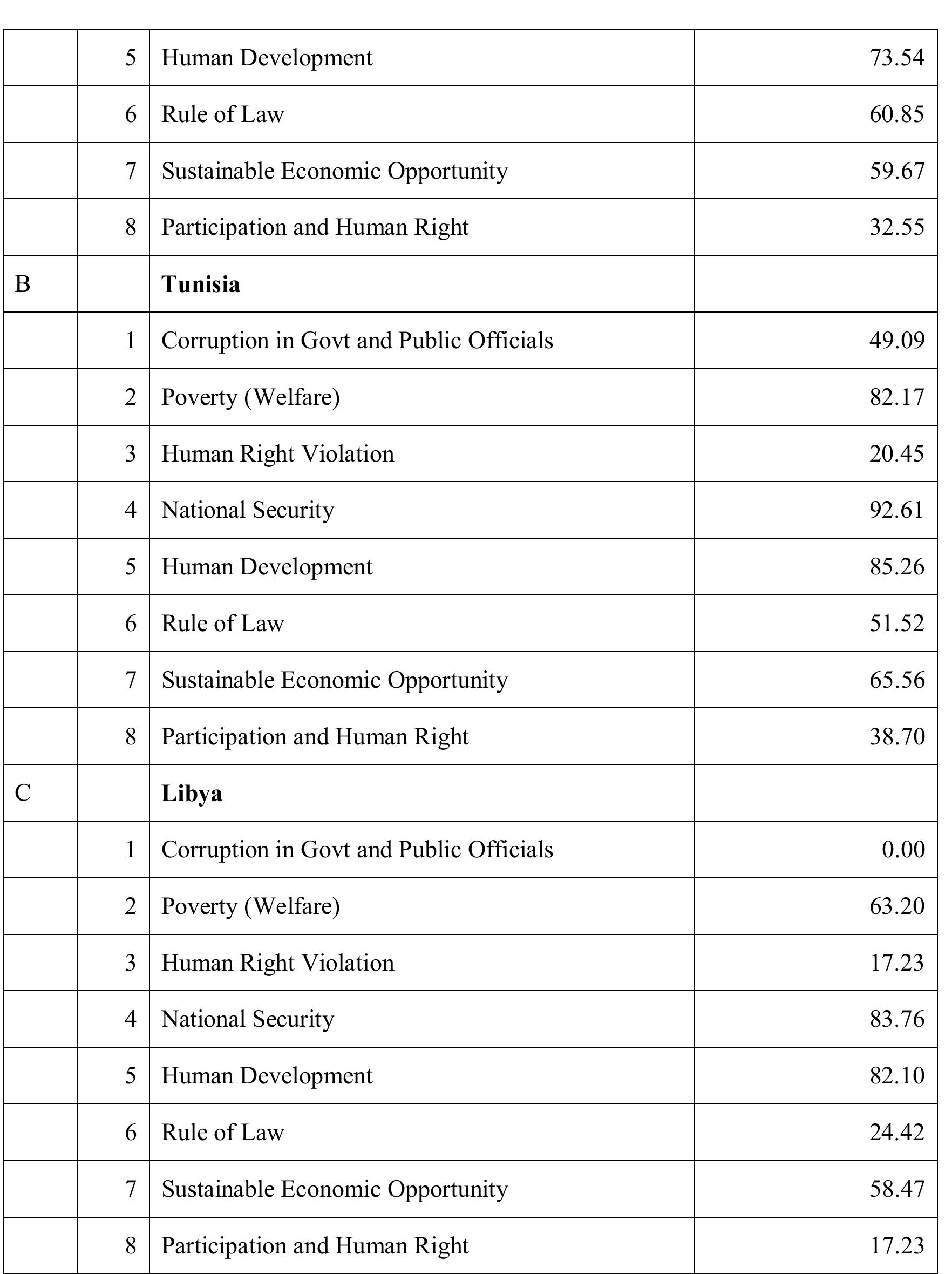
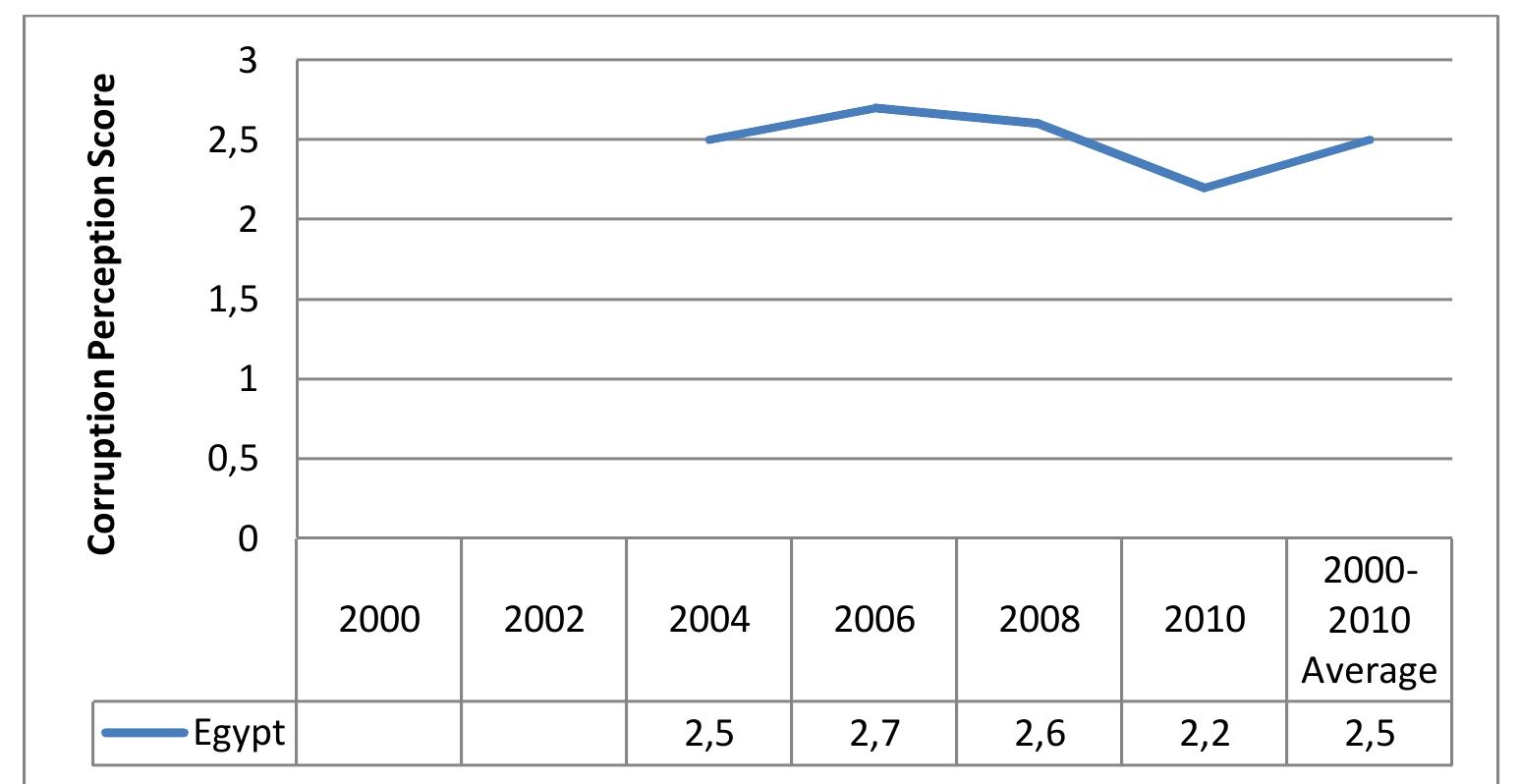
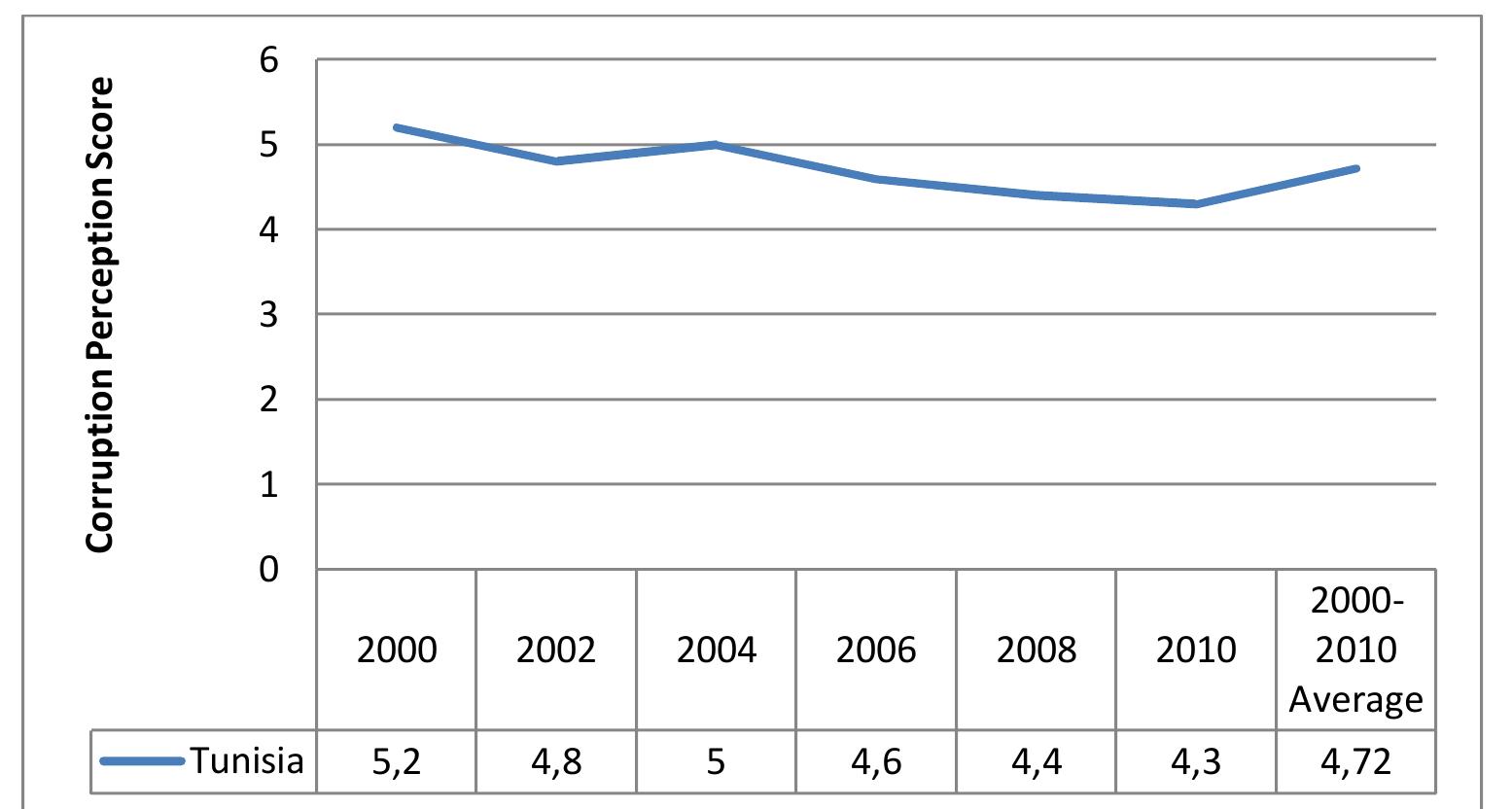
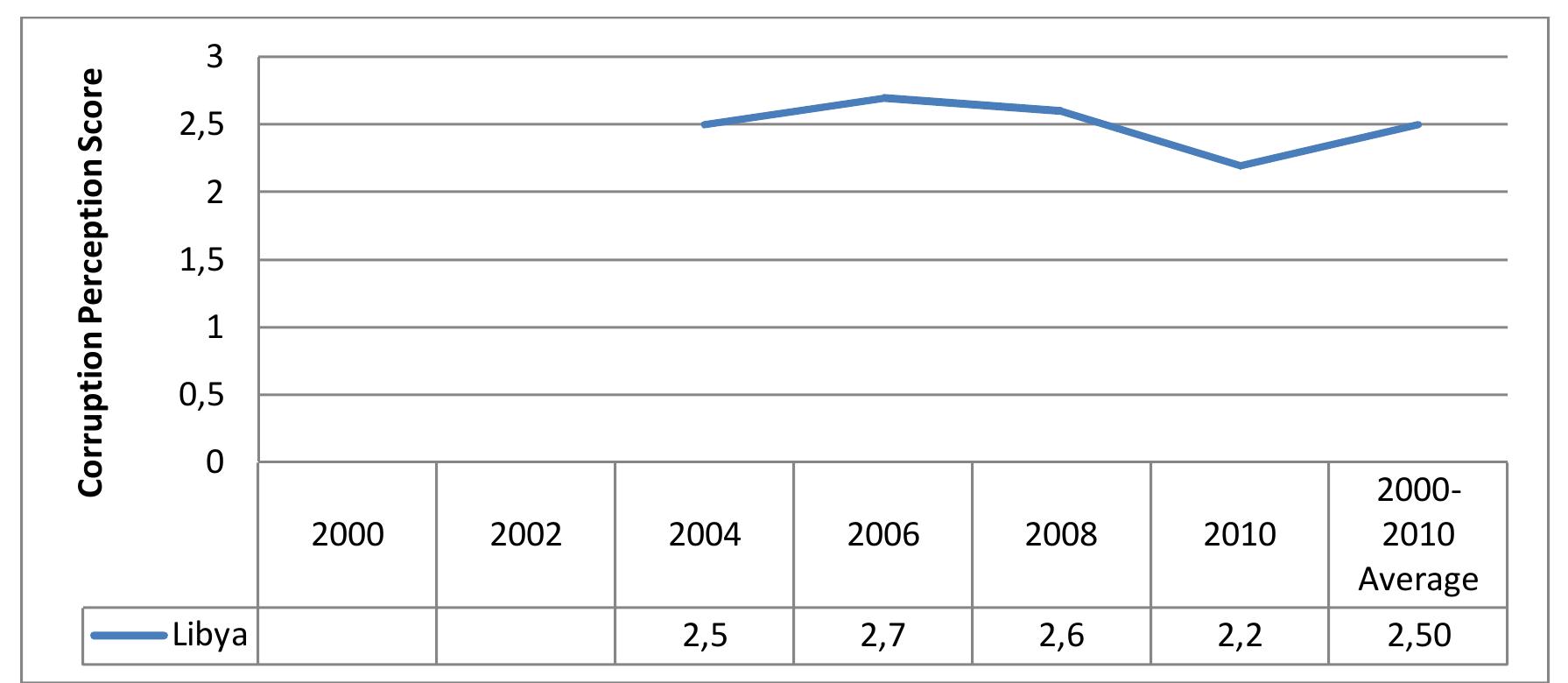
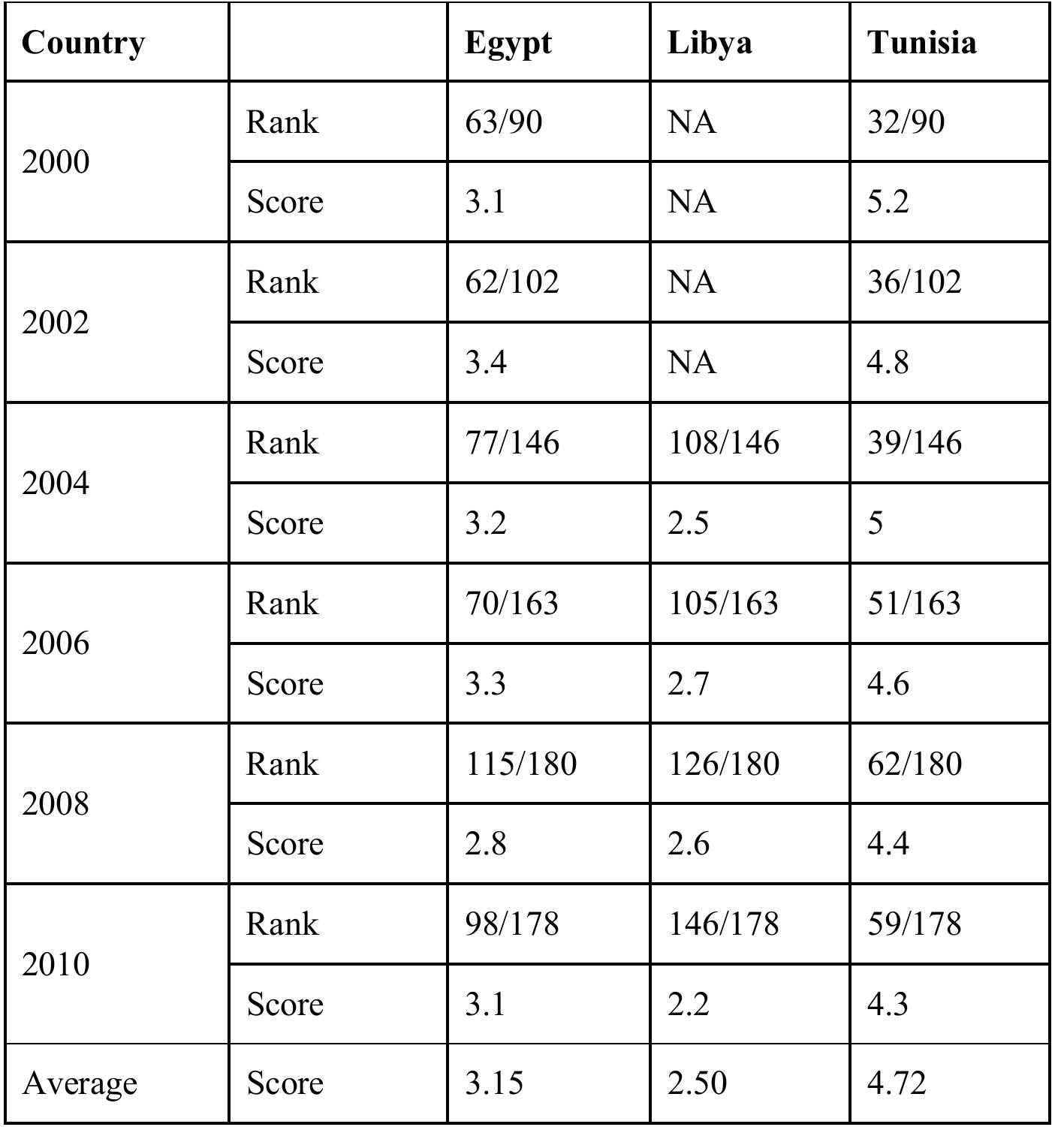
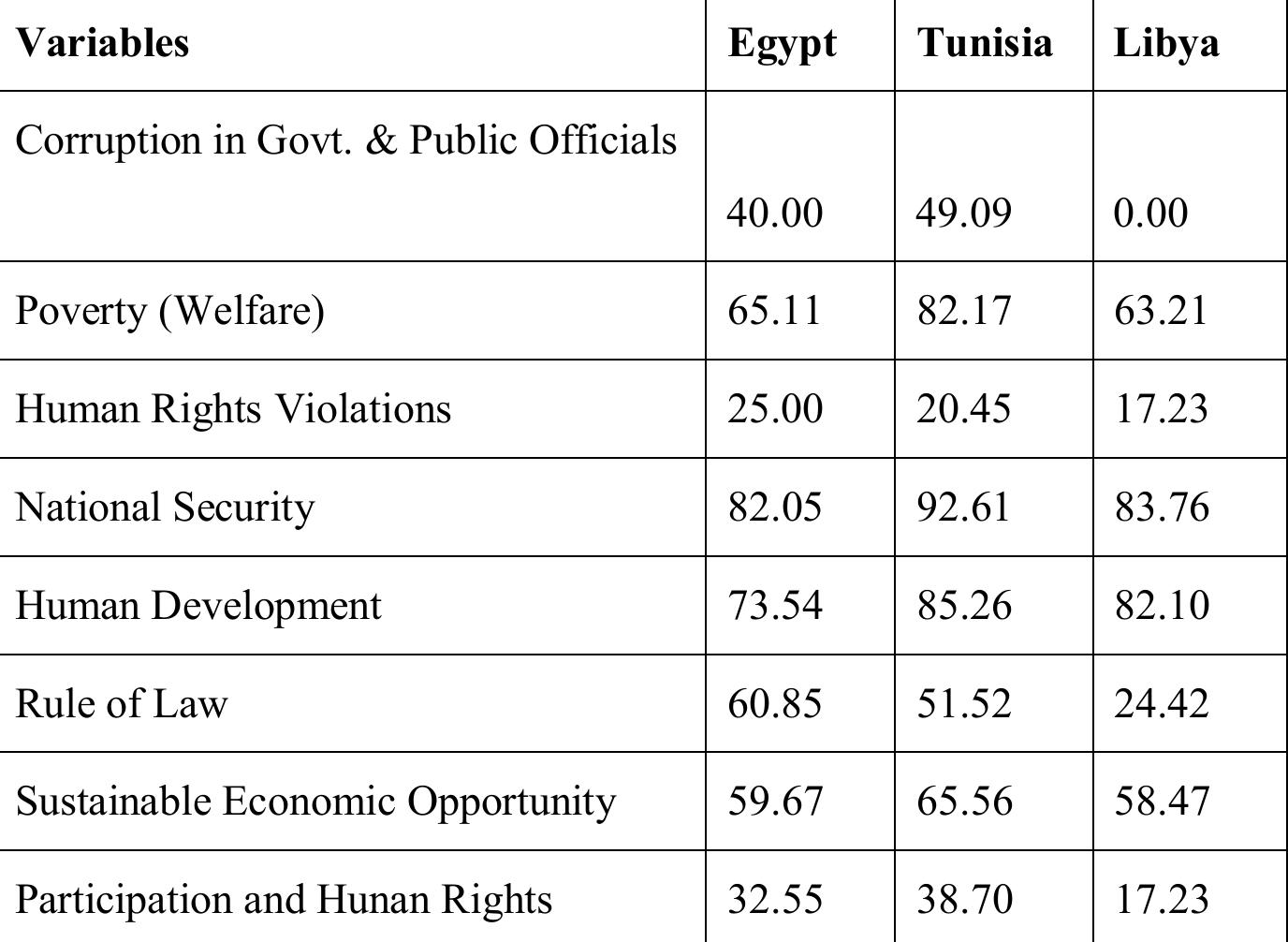
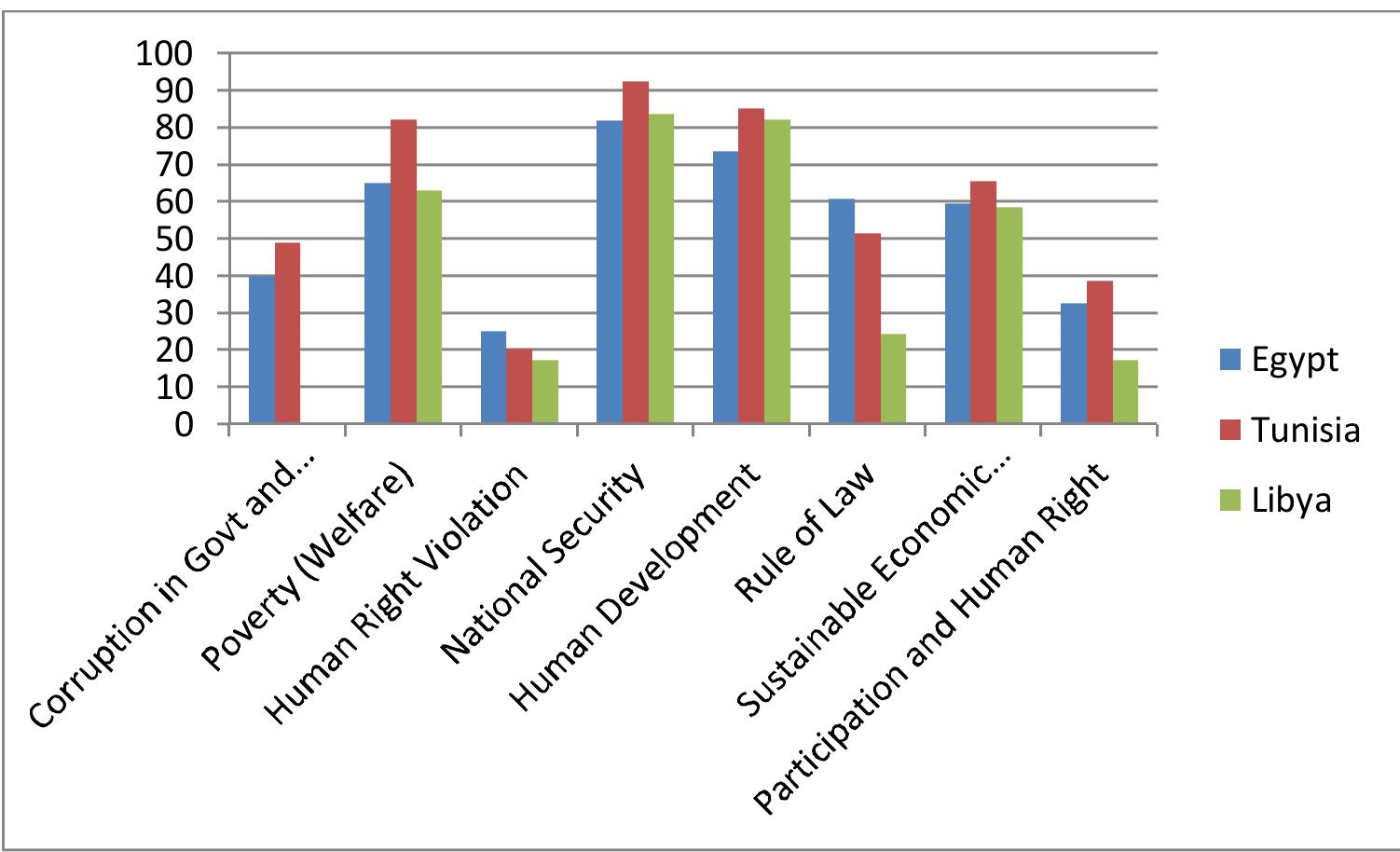
ALTERNATIVES TURKISH JOURNAL OF INTERNATIONAL RELATIONS To cite this Special Issue: FOUNDER EDITOR Amour, Philipp O., ed. “The Arab Spring: Comparative Bulent ARAS Perspectives and Regional Implications.” Special issue, EDITOR Alternatives: Turkish Journal of International Relations 11, no. Kenan DAGCI 3, (Fall 2013): 01-113. GUEST EDITOR FOR THIS SPECIAL ISSUE To cite this article: Philipp O. Amour (Boğaziçi University, outgoing) www.philipp-amour.ch Ogbonnaya, Ufiem Maurice, “Arab Spring in Tunisia, Egypt and Libya: A Comparative Analysis of Causes and EDITORIAL ASSISTANTS FOR THIS SPECIAL ISSUE Determinants,” in “The Arab Spring: Comparative Kaitlin Shaw, University of Michigan Perspectives and Regional Implications,” ed. Philipp O. Mahdieh Aghazadeh, Fatih University Amour, Special issue, Alternatives: Turkish Journal of Tala Mattar, University of Bristol International Relations 11, no. 3, (Fall 2013): 04-16. INTERNATIONAL ADVISORY BOARD* Ibrahim Abu-Rabi, Editor, Muslim World; Berdal Aral, Fatih University; Bulent Aras, Istanbul Technical University; Uri Avnery, Gush Shalom; Huseyin Bagci, Middle East Technical University; Kayhan Barzegar, Islamic Azad University; Mark Bassin, University of London; C. George Caffentzis, University of Southern Maine; Omer Caha, Fatih University; M. Efe Caman, Yalova University; Gokhan Cetinsaya, Istanbul Sehir University; Michel Chossudovsky, University of Ottowa; Murat Cizakca, Bahcesehir University; Kenan Dagci, Yalova University; Vedat Demir, Istanbul University; Takis Fotopoulos, Editor, Democracy and Nature; Vassilis Fouskas, Kingston University; Bulent Gokay, Keele University; Adnan Hayajneh, Hashemite University; Metin Heper, Bilkent University; Christopher Houston, La Trobe University; Anne Joyce, Editor, Middle East Policy; Ersin Kalaycioglu, Sabancı University; M. Lutfullah Karaman, Fatih University; Ijaz Khan, University of Peshawar; Tayseer Al-Khunaizi, King Fahd University; Kemal Kirisci, Bogazici University; Aleksander Kornilov, State University of Nizhni Novgorod; Ali Mazrui, University of Binghampton; Robert W. Olson, University of Kentucky; Ziya Onis, Koc University; Fatih Ozbay, Istanbul Technical University; Soli Ozel, Bilgi University; Aftab Kamal Pasha, Jawaharlal Nehru University; Rabia Karakaya Polat, Isik University; Ziauddin Sardar, Editor, Futures; Hasan Selcuk, Marmara University; M. Nazif Shahrani, Indiana University, Bloomington; Hussein Solomon, University of Pretoria; Bo Strath, European University Institute; Ghada H. Talhami, Lake Forest College; Shawkat Toorawa, Cornell University; Atilla Yayla, Gazi University; A.Nuri Yurdusev, Middle East Technical University; Peter Wagner, European University Institute. * listed in alphabetic order The aim of Alternatives is to publish high quality scholarly research on international political, social, economic and legal issues. The journal publishes two types of articles: "essays" and "articles". "Essays" are extended opinion pieces on a current topic of major interest, and are succinct with a clear line of argument. "Articles" are traditional scholarly articles. The journal also publishes research notes, book reviews, review essays, notes. Alternatives features a lively exchange of views and therefore publishes critical comments and responses as well. Alternatives aims to provide a major platform for the study of non-western approaches in the discipline. Alternatives is open to any contribution from different "worlds" in the context of breaking down the barriers between the worlds of academia, journalism, government and business. The journal holds the copyright of the articles published and encourages the reproduction of the articles in scholarly journals with proper credit to the journal. Alternatives is subject to peer-reviewed Journal indexed by the following databases and indexes: Current Contents of Periodicals on the Middle East, OCLC Public Affairs Information Service, CSA Worldwide Political Science Abstracts, Academic Search Premier, Index Islamicus, Sociological Abstracts, Social Services Abstracts, Linguistics & Language Behavior Abstracts, CIAO, EBSCO, DOAJ. Editorial Correspondence. Should be addressed to Kenan Dagci, Alternatives, Center for International Conflict Resolution at Yalova University (CICR), Baglarbaşı Mah. Safranyolu Cad. Yalova 77100 Turkiye Fax:+90 (0226) 8115103; Email: [email protected] Alternatives published by CICR at Yalova University, four times a year (March, June, September and December). These four issues constitute a volume. An annual volume contents and author index is bound in the last issue of each volume. ISSN 1303-5525 © 2010 Editors of Alternatives PLEASE SCROLL DOWN FOR ARTICLE Arab Spring in Tunisia, Egypt and Libya: A Comparative Analysis of Causes and Determinants Ufiem Maurice Ogbonnaya* Abstract: The Arab Spring, a pro-democracy uprising which has been sweeping through North Africa and the entire Arab world since 2010, has been described as a cataclysmic revolutionary wave that has seen the over-throw of numerous political regimes in its wake. This has had great impacts on the political developments and democratic governance in the Arab world in particular and the world in general. Though the political, environmental and socio-economic factors and variables that resulted in and sustained the revolutions in the affected states appear similar in nature, they vary from one country to the other.Using the MO Ibrahim Foundation Index, Transparency International’s Corruption Perception Index among others on selected indicators, this paper draws a comparative analysis of the key factors and variables that gave rise to the Arab Spring. The paper focuses particularly on the North African countries of Egypt, Libya and Tunisia. Findings show that the inability of governments in these affected states to respond adequately to the growing demands of political inclusion, good governance, job creation and policies of inclusive growth played fundamental roles in awakening the people’s consciousness, resulting in the revolutions.This paper recommends the institutionalization of participatory and multiparty democracy and the implementation of people-oriented policies such as job creation and the introduction of poverty reduction programmes among others, as a means of sustaining the success of the revolutions. Key Words: Arab Spring, Political Exclusion, Poverty, Sustainable Economic Opportunity, National Security, Multi-Party Democracy * National Institute for Legislative Studies, National Assembly, Abuja – Nigeria. ALTERNATIVES TURKISH JOURNAL OF INTERNATIONAL RELATIONS www.alternetivesjournal.net Arab Spring in Tunisia, Egypt and Libya Introduction One of the consequences of the emergence of the current form of globalization since the twentieth century has been the increasing wave of international security challenges. These challenges threaten the sovereignty and territoriality of nation-states as well as the legitimacy of national governments and political regimes. In the United States, there was the Al-Qaeda terrorist attack |5 on the World Trade Centre on September 11, 2001and similar attacks in Britain and Spain afterwards1. In other parts of Europe, minority groups long forgotten and thought to be wholly assimilated are stating their case for autonomy and/or independence and where the situation is not matured for the peaceful granting of their rights, the nations are taking their case to the battle field as witnessed in the horrors of the former Yugoslavia2. In Africa, Patrice Yeno described the increasing wave of socio-political conflicts by “unruly chaotic entities” as fallout of the increasing wave of globalization. These conflicts have increased in tempo and scope over the years3 . From Liberia, Democratic Republic of Congo (DRC), Cote d’Ivoire and currently Mali in the West African sub-region, where high and low intensity internal conflict have plagued both the individual states and the entire continent, to Burundi, Somalia and the Central African region where an orgy of conflicts was triggered by the Rwandan genocide, security threats to national governments and legitimacy of regimes are evident. The Arab Spring, a pro-democracy uprising that has been sweeping through the Middle East and North Africa since December 18, 2010, is the latest of this global security crisis. A major slogan of the demonstrators in the Arab world has been ash–shab yurid isa at an–nixam (the will of the people is to bring down the regime) 4 . Although demonstrations have met with violent reactions from government authorities and anti-demonstrators, the development has seen the overthrow of political regimes in Tunisia, Egypt, Libya and Yemen while intensifying demonstrations and violent conflict are continuing in Syria. With particular reference to North Africa, the African Development Bank (AfDB) has asserted that the political origins of the Arab Spring are connected to the inability of the state and governments in Egypt, Libya and Tunisia to respond adequately to the growing demands of political inclusion, good governance, job creation and policies of inclusive growth 5 . Other circumstances that have been attributed to the demonstrations in the North African countries are poor human development, lack of sustainable economic opportunities, national insecurity, violations of human rights and absence of participatory democracy and rule of law. Though these determining factors and variables are the same in the affected countries, the degree of their prevalence varies from one state to the other. Thus, with particular focus on Egypt, Libya and Tunisia, this paper draws a comparative analysis of the political, environmental and socio- economic imperatives that caused, heightened and sustained the revolutions and social tension in Egypt, Libya and Tunisia. To sustain the success of the Arab Spring, the paper points out the imperative of the institutionalization of participatory and multi-party democracy and implementation of socio-economic reforms. This paper is divided into four sections. Section one introduces the paper and takes an overview of the Arab Spring and revolutionary trends in the Arab World. While section two explains the methodology adopted in conducting the study, section four makes the presentation of the findings from the study. Finally, section four concludes the paper with recommendations. An Overview of the Arab Spring and Revolutionary Trends in the Arab World The Arab Spring, also known as the Arab Revolution or Arab Awakening, is a revolutionary wave of demonstrations and protests that started in Tunisia on December 18, 2010. Till date, rulers and political regimes have been forced out of power in Tunisia, Egypt, Libya and Yemen while civil up risings have erupted in Bahrain and Syria; major protests have broken out in Algeria, Iraq, ALTERNATIVES TURKISH JOURNAL OF INTERNATIONAL RELATIONS www.alternetivesjournal.net Ufiem Maurice Ogbonnaya Jordan, Kuwait, Morocco and Sudan; minor protests have occurred in Lebanon, Mauritania, Oman, Saudi Arabia, Djibouti and Western Sahara6. Clashes at the borders of Israel and protests by Arab minorities in Iranian Khuzestan erupted in May 20117. The sectarian clashes in Lebanon have also been described as a spillover violence of the Syrian uprising and hence the regional Arab Spring8. A combination of factors has been identified as having led to the protests. These include |6 issues such as dictatorship or absolute monarchy, human rights violations, government corruption, economic decline, unemployment, extreme poverty, and a number of demographic structural factors such as a large percentage of educated but dissatisfied youths within the population9. With particular reference to Africa, the African Development Bank (AfDB) has submitted that the political and economic origins of the Arab Spring are straight forward: Egypt, Libya and Tunisia all failed to develop pluralistic and open political systems. On economic grounds, the Bank asserts that governments in the region failed at job creation, especially for the young, and the economic policies which formed the basis for inclusive growth after independence started to unravel 10 . Furthermore, the Bank notes that for more than three decades, North Africa’s economies have failed to grow fast enough to create sufficient good jobs. Between 1980 and 2010, per capita income in the region averaged only 0.5 per cent per year. Unemployment has averaged about 12 per cent over the past two decades, the highest rate of any region in the world 11. Also Annia Ciezadlo12 and Marc Bellemare13 have located the major cause of the Arab Spring in increasing and rapid food prices within the region. According to Bellemare, the second food crisis, which began at the end of 2010 and saw food prices increase by 40 per cent between January 2010 and February 2011, was most prominently associated with the so-called Arab Spring – a series of events which began with food riots in Algeria and in Tunisia in early January 201114. In Syria, the total domination of the country has been underpinned by a well established and often ruthless state security apparatus that enjoys a reputation for violence, torture and execution of dissident elements. In mid-March 2011, a group of teenagers in Dara’a, posted anti- government graffiti and demonstrated against the regime of President Bashar al-Assad. This was the start of a series of demonstrations that quickly spread across Syria. More precisely, Muhammad Baroutt has identified multidimensional marginalization, oppression by local authorities, and repression by an arbitrary central government, limited benefits from economic growth coupled with low human development indicators, high rates of unemployment and poverty, and high age-dependency as stimulating the lingering anti-government demonstrations and protests in Syria15. Though the Syrian demonstrations have been met with violent reactions from government authorities, they are persisting. In Yemen, the International Crisis Group in its March 2011 release identified “dire and worsening economic conditions” for the average Yemenis as part of the remote causes of the popular protests in the country16. In sum, ten reasons have been identified as causing the violent demonstrations in the Arab world namely inflation and shortages, unemployment/underdevelopment, political/religious oppression, absence of political dissent/lack of political participation, foreign interference, kleptocracy, police and state brutality, autocracy, social imbalance and restrictions on communications and censorship17. According to Omar Abdullah, the Arab Spring revolutions varied according to the socio- economic, political and environmental factors and the nature of each ruling regime, and depending on the degree of civility in surrounding environments, the momentum in achieving the revolution's goals and was faster when charting the features of such revolutions. The revolutions in Tunisia and Egypt were the fastest to take shape despite the apparent control and strength of the ruling class, whose allegiance and connections to the institutions providing security for the regime did not cross professional boundaries, though some officials in these institutions reaped multiple material merits at the individual level18. With particular reference to Egypt, Ali Sarihan observed that the protesters met with opposition from the bourgeoisie of Egypt. The group had many interests invested in Mubarak, and wanted to further their personal interests rather than those of the Egyptian national. As a result, they did not support the protests. However, this opposition and Mubarak’s statement that he would not run for future elections notwithstanding, the people on the Vol. 11, No. 3, Fall 2012 Arab Spring in Tunisia, Egypt and Libya street did not believe him, and the demonstrations continued to grow. Mubarak resisted the protests for 18 days, but eventually, Mubarak’s 30-year regime ended on February 11, 2011. However, in those other countries where, historically or politically, regional, tribal, sectarian, doctrinal, or ideological partisanships have developed and prevailed, the demise of existing regimes meant a collapse of their supporting institutions’ gains. Such an environment led to a prolonged conflict and an escalation of confrontation, revolts, actions, and reactions to an extent that drained each party and forced them into accepting bargains and compromises, as in Yemen 19. |7 In other cases, Omar Abdullah has observed that the parties had to consider such insurrection as a chapter in a long battle of destiny, so each party, particularly revolutionists, had to be content with what has been achieved, and postpone a showdown until sometime in the future. However, each party understands the risks such a stand entails for their presence. This is evident in the Syrian case, where the possibility of the regime relinquishing control, as in Tunisia and Egypt, or bargain with the populace, as in Yemen, is unlikely. The international presence, however, may make the liquidation of opposition figures by the regime a difficult task due to the relative weakness it would suffer after the battle20. The Libyan situation can be considered a mixture of the two cases above. The spark of mobility against the regime was a by-product of the violent way in which it faced people with other ideologies (i.e., Islamists). Such groups had become centred and built capabilities in the eastern part of the country for work-related reasons, which was then mingled with regional and tribal sympathy. Around these groups, all those with reasons to clash with the regime, whether ideological, political, or regional and perhaps tribal motives, gathered. Additionally, insiders with views that clashed with the regime rapidly turned into pillars for revolting against it. And because the forces supporting the Libyan regime were not based on strong partisanship, they were at an existential threat if the regime and its individual leader fell, which prolonged the battle, relatively speaking. The end was known and inevitable, no matter how long the regime resisted, because of what we can term the collective fanaticism among supporters as in Yemen and Syria. Thus it can be seen from the foregoing analysis that the circumstances that created the enabling environment for the rise, sustenance, success and the lingering of the revolutions in the Arab world considerably varied from one country to the other. Analytical Framework The United Nations definition of Northern Africa includes eight countries: Algeria, Egypt, Libya, Morocco, Sudan, Tunisia, Libya and Western Sahara. Algeria, Morocco, Tunisia, Libya and often Mauritania are the Maghreb while Egypt and Sudan are referred to as Nile Valley21. Revolutions in these countries began on the 18th of December, 2010 and have forced leaders out of power in Tunisia, Egypt and Libya. Major protests have also broken out in Algeria, Morocco and Sudan while minor protests have occurred in Mauritania and the Western Sahara. The focus of this section is to provide a descriptive analysis of the socio-economic, political and environmental factors that were prevalent in Egypt, Tunisia and Libya before the outbreak of the Arab Spring. These countries were selected because the revolutions in these countries were more pronounced. The socio-economic, political and environmental factors to consider are: corruption, poverty, human right violations, National Security, Human Development, Rule of Law, Sustainable Economic Opportunity, and Participation and Human Right. According to the Mo Ibrahim Index, the components of these factors are as tabulated below; ALTERNATIVES TURKISH JOURNAL OF INTERNATIONAL RELATIONS www.alternetivesjournal.net Ufiem Maurice Ogbonnaya Table 1: Components of the Selected Socio-political and economic Indices for Egypt,Tunisia, and Libya Indices Components Corruption Corruption in Government and Public Officials |8 Poverty (Welfare) As welfare which comprise social exclusion, access to health and education, public resources and utilities, and the impact of environmental sustainability on welfare Human Right Domestic political persecution, physical integrity rights, political terror, Violations social unrest and safety of the person National Security Cross border tensions, government involvement in armed conflict, domestic armed conflict, political refugees, internally displaced people Human Development Welfare services (health and education), access to piped water, access to sanitation, environmental sustainability, and social protection and labour Rule of Law Judicial process, judicial independence, sanctions, Sustainable Economic Public management, Business environment, infrastructure, Opportunity Participation & Human Free and fair elections, political participation, political rights, workers right, Rights freedom of expression, freedom of speech, press freedom, and protection of civil liberties Source: Mo Ibrahim Index (2010)22 Some of these factors are identified by the AfDB23 while others were included by the author. Secondary data for these indices are collected from the MO Ibrahim Foundation Index and Transparency International from 2000-2010. The choice of this period is to analyse the trend of the selected indices before the Arab Spring. The MO Ibrahim index Scores from 0-100, where 100=best and 0=worst; while Transparency International (TI) scores corruption from 0-10 where 0 is highly corrupt and 10 is very clean. Corruption Perception Index is an alternative measure of domestic and public sector corruption. It is made up of the following components; bribery, cronyism, kleptocracy, electoral fraud, nepotism, slush fund, plutocracy and political scandal. A summary of the indicators for the countries under consideration is presented in Table 2; Table 2: Selected Socio-political and economic Indices for Egypt, Tunisia, and Libya: 2000 – 2010 Averages A Egypt Average (2000-2010) 1 Corruption in Govt and Public Officials 40.00 2 Poverty (Welfare) 65.11 3 Human Right Violation 25.00 4 National Security 82.05 Vol. 11, No. 3, Fall 2012 Arab Spring in Tunisia, Egypt and Libya 5 Human Development 73.54 6 Rule of Law 60.85 7 Sustainable Economic Opportunity 59.67 |9 8 Participation and Human Right 32.55 B Tunisia 1 Corruption in Govt and Public Officials 49.09 2 Poverty (Welfare) 82.17 3 Human Right Violation 20.45 4 National Security 92.61 5 Human Development 85.26 6 Rule of Law 51.52 7 Sustainable Economic Opportunity 65.56 8 Participation and Human Right 38.70 C Libya 1 Corruption in Govt and Public Officials 0.00 2 Poverty (Welfare) 63.20 3 Human Right Violation 17.23 4 National Security 83.76 5 Human Development 82.10 6 Rule of Law 24.42 7 Sustainable Economic Opportunity 58.47 8 Participation and Human Right 17.23 Source: MO Ibrahim Index (2010) and Authors Computation Results and Discussion The data from the MO Ibrahim index reveal that official corruption in Egypt averaged 40 points between 2000 and 2010. Poverty (Welfare) scored an average of 65.11 points, National Security scored 82.05 points, Human Development scored 73.54 points and Sustainable Economic Opportunity scored 59.67 points. While Human right violation scored 25 points, Political Participation and Human Rights scored 38.70 points. This implies that though welfare in Egypt was relatively high between 2000 and 2010, there was high rate of human rights violation and ALTERNATIVES TURKISH JOURNAL OF INTERNATIONAL RELATIONS www.alternetivesjournal.net Ufiem Maurice Ogbonnaya political exclusion in the country. Also, while Human Development scored 73.54 points, Sustainable Economic Opportunity was at an average score of 59.67 points. In other words the level of human development was higher than the available sustainable economic opportunities. This explains the high rate of unemployment in the country which was a source of social tension. Data from Corruption Perception Index by the Transparency International is also consistent with the findings from the MO Ibrahim index. Transparency International score on Corruption | 10 Perception Index (CPI) reveals poor effort in reducing corruption in Egypt from 2000-2010. Corruption in Egypt deepened in 2008. Though, slight effort was made to reduce corruption in 2010, the score of 3.1 in 2010 however, does not show a significant departure from its average score over the period 2000-2010. This is shown in Figure 1. Figure 1: Corruption Perception Index for Egypt 3 Corruption Perception Score 2,5 2 1,5 1 0,5 0 2000- 2000 2002 2004 2006 2008 2010 2010 Average Egypt 2,5 2,7 2,6 2,2 2,5 Source: Author’s Compilation from Transparency International’s CPI, 2000-2010 Thus the key factors that seemed to have fuelled the Arab Spring in Egypt were human rights violations, political exclusion, unemployment and political corruption. In Tunisia, between 2000 and 2010 poverty rating averaged 82.17 points. National Security ranking was also good, standing at 92.61 points alongside Human Development which stood at 85.26 points and Sustainable Economic Opportunity rating which stood at 65.56 points. However, Tunisia had the worst human rights violation record standing at 20.45 points compared to the other countries (Egypt and Libya) within the period under review. This was complimented by poor Participation/Human Rights and poor official corruption ratings which stood at 38.70 points and 49.09 points respectively. Corruption in Tunisia also steepened between 2000 and 2010. The country, which was half way clean (less corrupt) in 2004, according to Transparency International’s data (CPI), declined by 2010. This is confirmed by its average score of 4.72 which is closer to zero (the score for highly corrupt countries) compared to its score of 5.2 in 2000 (which is closer to being very clean) as shown in Figure 2. Vol. 11, No. 3, Fall 2012 Arab Spring in Tunisia, Egypt and Libya Figure 2: Corruption Perception Index for Tunisia 6 Corruption Perception Score 5 | 11 4 3 2 1 0 2000- 2000 2002 2004 2006 2008 2010 2010 Average Tunisia 5,2 4,8 5 4,6 4,4 4,3 4,72 Source: Author’s Compilation from Transparency International’s CPI, 2000-2010 The worsening socio-political and economic situations in Tunisia was a source of social and security tension that gradually resulted in an explosive political uprising that eventually brought down the government of the day. Thus, human rights violations, corruption and political exclusion in Tunisia are the factors that culminated in and the political uprising that torpedoed and crushed the government of the day. In Libya, corruption in government among public officials was very pronounced standing at 0.00 points. The implication here is that within this period, Libya was highly corrupt. The average score of Transparency International for corruption in Libya from 2000-2010 was 2.5, showing no departure from its corruption score in 2000 (See Figure 3). Figure 3: Corruption Perception Index for Libya 3 Corruption Perception Score 2,5 2 1,5 1 0,5 0 2000- 2000 2002 2004 2006 2008 2010 2010 Average Libya 2,5 2,7 2,6 2,2 2,50 Source: Author’s Compilation from Transparency International’s CPI, 2000-2010 Coupled with human rights violations which stood at 17.23 points and extreme political exclusion which stood at 17.23 points, Libya, which ranked high in national security, human development ALTERNATIVES TURKISH JOURNAL OF INTERNATIONAL RELATIONS www.alternetivesjournal.net Ufiem Maurice Ogbonnaya and sustainable economic opportunities scores which stood at 83.76, 82.10 and 58.47 points respectively, was bound to face the challenge of rising social tension. The implication of this is that there was higher human development than available sustainable economic opportunities. In a normal situation, the disparity between Human Development and Sustainable Economic Opportunity constitutes a source of social tension as the unemployed able bodied young people would constitute a pool of already made army for violence. But in Libya, the state provided for | 12 the need of the people and so the people had no need for the jobs. This may well explain why the disparity between Human Development and Sustainable Economic Opportunity which has lingered for a very long time did not constitute a social tension and security threat. Thus, corruption (which stood at 0 point by the MO Ibrahim Index and about 2.5 by the Transparency International’s CPI), political exclusion of the people which stood at 17.23 points and human rights violations which stood at 17.23 points, were the factors responsible for the political tension and eventual outbreak of the revolution and the subsequent overthrow of the Ghaddafi regime in Libya. A comparative analysis of the ratings of the countries under study based on data from the Transparency International’s Corruption Perception Index is presented in Table 3 below; Table 3: Corruption Perception Index (CPI) for Egypt, Libya and Tunisia for Selected Years Country Egypt Libya Tunisia Rank 63/90 NA 32/90 2000 Score 3.1 NA 5.2 Rank 62/102 NA 36/102 2002 Score 3.4 NA 4.8 Rank 77/146 108/146 39/146 2004 Score 3.2 2.5 5 Rank 70/163 105/163 51/163 2006 Score 3.3 2.7 4.6 Rank 115/180 126/180 62/180 2008 Score 2.8 2.6 4.4 Rank 98/178 146/178 59/178 2010 Score 3.1 2.2 4.3 Average Score 3.15 2.50 4.72 Sources: Author’s Compilation from Transparency International (CPI Report for Selected Years)24 Within the period under study, in Tunisia, National Security rating stood at 92.61 points, 83.76 points in Libya and 82.05 points in Egypt. Explicitly, Egypt had the lowest rating in National Security. On Poverty/Welfare, Tunisia had the highest score of 82.17 points followed by Egypt Vol. 11, No. 3, Fall 2012 Arab Spring in Tunisia, Egypt and Libya with a score of 65.11 points while Libya had the least score of 63.20 points. Human Development score in Tunisia was 85.26 points, 82.10 points in Libya and 73.54 points in Egypt. While the countries under review had maintained impressive records in the areas of National Security and Poverty/Welfare, they failed to replicate same in Sustainable Economic Opportunities, Human Rights Violations and Participation/Human Rights. Thus, the ranking for Sustainable Economic Opportunities in Tunisia was very low standing at 65.56 points. The same | 13 applied to Libya and Egypt with 58.57 points and 59.67 points scores respectively. This indicates that the inability of the political regimes in these states to address the problem of low sustainable economic opportunities was a general and wide spread phenomenon cutting across the states. This undoubtedly constituted a major source of tension in those states. Same is the case with Human Rights Violation ratings. In Egypt, it stood at 25.00 points, 20.45 in Tunisia and 17.23 points in Libya. This is also true in Participation and Human Right rating. In Tunisia, it stood at 38.70 points, 32.55 points in Egypt and 17.23 points in Libya, one of the worst human rights violations records by the MO Ibrahim Index. The data above point to the fact poor human rights records and political exclusion in Tunisia, Egypt and Libya played fundamental roles in occasioning the Arab Spring. The foregoing comparatively analysis is presented graphically in Table 4 and Figure 4 below; Table 4: Comparison of Selected Socio-Political and Economic Indices: Egypt, Tunisia and Libya (2000-2010 Average) Variables Egypt Tunisia Libya Corruption in Govt. & Public Officials 40.00 49.09 0.00 Poverty (Welfare) 65.11 82.17 63.21 Human Rights Violations 25.00 20.45 17.23 National Security 82.05 92.61 83.76 Human Development 73.54 85.26 82.10 Rule of Law 60.85 51.52 24.42 Sustainable Economic Opportunity 59.67 65.56 58.47 Participation and Hunan Rights 32.55 38.70 17.23 Source: Author’s Compilation from MO Ibrahim Index ALTERNATIVES TURKISH JOURNAL OF INTERNATIONAL RELATIONS www.alternetivesjournal.net Ufiem Maurice Ogbonnaya Figure 4: Selected Socio-Political and Economic Indices for Egypt, Tunisia and Libya (2000- 2010 Average) 100 90 80 70 | 14 60 50 40 30 20 Egypt 10 0 Tunisia Libya Source: Author’s Compilation from MO Ibrahim Index On human rights violations, Amnesty International reported in 2008 and 2010 that in Egypt, Libya and Tunisia; socio-political exclusion, torture and other ill-treatments remained widespread in police cells, security police detention centres and prisons. In most cases these violations were committed with impunity. In these countries, the rights to freedom of expression, association and assembly were very much curtailed. Evidently therefore, the major determinants and factors that triggered off the Arab Spring in North Africa were corruption, poverty, human rights violation and issues of political exclusionism. Conclusion and Recommendations The foregoing analysis has shown that though the environmental, socio-economic and political factors that caused the Arab Spring appeared similar in nature, they varied from one country to the other in terms of degree of prevalence, tempo and scope. These variations notwithstanding, these factors were potent enough to influence and steer in the people the agitation for positive and progressive changes in states politics and economy. Secondly, it needs to be pointed out that the causative factors of the Arab Spring are also prevalent in other African countries and thus constitute potential security threats. For example, using the same performance indicators from MO Ibrahim and the Transparency International, Nigeria’s ratings by the indexes are comparatively worse than those of Egypt, Libya and Tunisia excepting in Human Rights Violation and Political Participation. This has the potency of worsening the current security challenges facing the country. Also, Nigeria has a low rating in National Security and coupled with the government’s inability to create economic opportunities that would create jobs and engage the people, which could frustrate existing national security efforts as unemployed and poor persons would constitute a ready-made army for political thuggery, crime and vandalism. Egypt and Libya ranked high in National Security as at 2010 but poor human rights records and political exclusion combined to whittle down national security and the outbreak of the Arab Spring that they experienced. Be that as it may, the Arab Awakening has seen an increasing wave of institutionalization of participatory and multi-party democracies in North Africa and the entire Arab World. For the first time in many decades, democratic elections have been conducted in Egypt, Tunisia, Libya, Vol. 11, No. 3, Fall 2012 Arab Spring in Tunisia, Egypt and Libya Yemen, etc while electoral reforms have occurred in Saudi Arabia with the granting of political and voting rights to women. This stimulation of political restructuring in the Arab world to ensure inclusive participatory political system notwithstanding, Tunisia, Egypt, Libya, other North African countries in particular and Arab world in general would need to sustain and improve their national social welfare services for their citizens, address the issues and problems of poverty and attendant | 15 consequences, ensure human capital development and provision of jobs and address official corruption in order to sustain the successes of the Arab Spring. In other words, Egypt, Tunisia and Libya must strive to achieve inclusive growth and development that secures and guarantees the right of the people. Notes 1 Ampatuam, Taharudim Piang. Terrorism and Nation – State Institutions: Actions and Inter-actions, 2003. Retrieved on March 16, 2009 from www.pvtr.org/pdf/GlobalAnalysis/Nation- States%20institutions.pdf; Odock, Christopher N. International Relations: Backgounds, Trends and Perspectives, in Political Science: An Introductory Reader, Bassey, Celestine. O. and Ozumba, Godfrey. O. eds, (Calabar: Wusen Publisher, 2006), pp. 307-341; Negroponte, John D. Annual Threat Assessment of the Director of National Intelligence. Presented to the United States of American Senate Committee on Intelligence, February 2, 2006; Williams, Phil. Violent Non-State Actors and National and International Security. International Relations and Security Network Series (Zurich: Swiss Institute of Technology, 2008) Retrieved March 16, 2009 from http://se2.isn.ch/serviceengine/filecontent?serviceID.ISFPub&field=8EEBA9FE-AA15-32FC9434Alng=en; Duru, Emmanuel J. C. and Ogbonnaya, Ufiem M. Globalization, International Terrorism and National Security Challenges in Contemporary World Order, Kogi Journal of Political Science, 1 (2), August, 2010: 1 -9 2 Rasmussen, Peter Ravn 2001. ‘Nations’ or ‘states’: An Attempt at Definition. Scholiast, 2001. Retrieved on January 20, 2009 from www.globalpolicy.org/nations/nation/2001/0720definition.htm. 3 Yeno, Patrice. Globalization, New War Order and Perpetuation of Conflicts in Africa. Council for the Development of Social Science Research in Africa (CODESRIA) Bulletin, Numbers 3 & 4, 2000: 49-59. 4 Abo, Bakr Elenndy. Arab Spring: Causes and Role of NSOs, Central Agency for Public Mobilization & Statistics, CAPMAS, Egypt, February, 2012, p.4. 5 African Development Bank, AfDB. ‘Jobs, Justice and the Arab Spring: Inclusive Growth in North Africa, (Tunisia: African Development Bank (AfDB) Group Publications, 2012). 6 Afrol. Morocco King on Holiday as People Consider Revolt, 30 January 2011. http://www.afrol.com/articles/37175. Retrieved 1 February 2011. 7 United Nations High Commissioner for Refugees (UNHCR). Iran: Arrest Sweeps Target Arab Minority. http://www.unhcr.org/refworld/country, IRN, 4f34de412,0.html. Retrieved June 19, 2012. 8 Cable News Network, One Year Later, Syria Still Boiling, 15 March 2012. http://edition.cnn.com/2012/03/15/world/meast/syria-unrest/index.html?hpt=hp_t1. Retrieved 15 March, 2012. 9 Korotayev, Andrey V, and Zinkina, Julian V. Egyptian Revolution: A Demographic Structural Analysis. Entelequia. Revista Interdisciplinar 13, 2011: 139–165. http://cliodynamics.ru/index.php?option=com_content&task=view&id=276&Itemid=70. 10 African Development Bank, AfDB. ‘2012, p.30. 11 Ibid, p.32. 12 Ciezadlo, Annia. .Let Them Eat Bread. In The New Arab Revolt: What Happened, What It Means, and What Comes Next, (New York: Council on Foreign Relations, 2011). Available at http://www.foreignaffairs.com/articles/67672/annia-ciezadlo/let-them-eat-bread, last accessed June 9, 2011. 13 Bellemare, Marc F. Rising Food Prices, Food Price Volatility and Political Unrest, Standford School of Public Policy, Duke University, Durham, United States, 2011. 14 Ibid, p. 15 Baroutt, Mahammad J. The Past Decade in Syria: The Dialectic of Stagnation and Growth, Research Paper Series, Arab Centre for Research and Policy Institute (Doha Institute, 2011), October. ALTERNATIVES TURKISH JOURNAL OF INTERNATIONAL RELATIONS www.alternetivesjournal.net Ufiem Maurice Ogbonnaya 16 International Crisis Group, Popular Protest in North Africa and Middle East (II): Yemen between Reform and Revolution, Middle East/North Africa Report No. 102, 10 March 2011. Retrieved from www.crisisgroup.org/en/regions/middle-east-north-africa/. 17 Democratist, The Great Arab Spring of 2011: Causes and Consequences, Posted on March 28, 2011; Foreign and Commonwealth Office (F&Co), Human Rights and Democracy: The Causes of the Arab | 16 Spring, the Foreign and Commonwealth Office Report, 2011. Retrieved from www.fcohrdreport.readandcomment.com. 18 Omar, Abdullah. Features and Consequences of the Arab Spring. Assessment Report, Arab Center for Research and Policy Studies (Doha Institute), April 23, 2012. 19 Sarihan, Ali. Is the Arab Spring in the Third Wave of Democratization? The Case of Syria and Egypt, Turkish Journal of Politics (TJP), 3(1), 2012: 67-86, Summer. 20 Omar, Abdullah, 2012, p.3. 21 United Nation Statistical Data (UNSD), 2012. http://millenniumindicators.un.org/unsd/methods/m49/m49regin.htm; United Nations Development Programme, UNDP. New Dimensions of Human Security, 1994. Retrieved on 10 October, 2012 from hdr.undp.org/en/media/hdr_1994_en_chap2.pdf. 22 MO Ibrahim Foundation Index 2010. Available on http://www.moibrahimfoundation.org/en/section/the- ibrahim-index. 23 African Development Bank, AfDB. ‘2012, p.30. 24 Transparency International, Corruption Perception Index (CPI), 2000, 2002, 2004, 2006, 2008 and 2010 Reports. Vol. 11, No. 3, Fall 2012

References (24)

  1. Ampatuam, Taharudim Piang. Terrorism and Nation -State Institutions: Actions and Inter-actions, 2003. Retrieved on March 16, 2009 from www.pvtr.org/pdf/GlobalAnalysis/Nation- States%20institutions.pdf; Odock, Christopher N. International Relations: Backgounds, Trends and Perspectives, in Political Science: An Introductory Reader, Bassey, Celestine. O. and Ozumba, Godfrey. O. eds, (Calabar: Wusen Publisher, 2006), pp. 307-341; Negroponte, John D. Annual Threat Assessment of the Director of National Intelligence. Presented to the United States of American Senate Committee on Intelligence, February 2, 2006; Williams, Phil. Violent Non-State Actors and National and International Security. International Relations and Security Network Series (Zurich: Swiss Institute of Technology, 2008) Retrieved March 16, 2009 from http://se2.isn.ch/serviceengine/filecontent?serviceID.ISFPub&field=8EEBA9FE-AA15-32FC9434Alng=en;
  2. Duru, Emmanuel J. C. and Ogbonnaya, Ufiem M. Globalization, International Terrorism and National Security Challenges in Contemporary World Order, Kogi Journal of Political Science, 1 (2), August, 2010: 1 -9
  3. Rasmussen, Peter Ravn 2001. 'Nations' or 'states': An Attempt at Definition. Scholiast, 2001. Retrieved on January 20, 2009 from www.globalpolicy.org/nations/nation/2001/0720definition.htm.
  4. Yeno, Patrice. Globalization, New War Order and Perpetuation of Conflicts in Africa. Council for the Development of Social Science Research in Africa (CODESRIA) Bulletin, Numbers 3 & 4, 2000: 49-59.
  5. Abo, Bakr Elenndy. Arab Spring: Causes and Role of NSOs, Central Agency for Public Mobilization & Statistics, CAPMAS, Egypt, February, 2012, p.4.
  6. African Development Bank, AfDB. 'Jobs, Justice and the Arab Spring: Inclusive Growth in North Africa, (Tunisia: African Development Bank (AfDB) Group Publications, 2012).
  7. Afrol. Morocco King on Holiday as People Consider Revolt, 30 January 2011. http://www.afrol.com/articles/37175. Retrieved 1 February 2011.
  8. United Nations High Commissioner for Refugees (UNHCR). Iran: Arrest Sweeps Target Arab Minority. http://www.unhcr.org/refworld/country, IRN, 4f34de412,0.html. Retrieved June 19, 2012.
  9. Cable News Network, One Year Later, Syria Still Boiling, 15 March 2012. http://edition.cnn.com/2012/03/15/world/meast/syria-unrest/index.html?hpt=hp_t1. Retrieved 15 March, 2012.
  10. Korotayev, Andrey V, and Zinkina, Julian V. Egyptian Revolution: A Demographic Structural Analysis. Entelequia. Revista Interdisciplinar 13, 2011: 139-165. http://cliodynamics.ru/index.php?option=com_content&task=view&id=276&Itemid=70.
  11. African Development Bank, AfDB. '2012, p.30.
  12. Ibid, p.32.
  13. Ciezadlo, Annia. .Let Them Eat Bread. In The New Arab Revolt: What Happened, What It Means, and What Comes Next, (New York: Council on Foreign Relations, 2011). Available at http://www.foreignaffairs.com/articles/67672/annia-ciezadlo/let-them-eat-bread, last accessed June 9, 2011.
  14. Bellemare, Marc F. Rising Food Prices, Food Price Volatility and Political Unrest, Standford School of Public Policy, Duke University, Durham, United States, 2011.
  15. Ibid, p.
  16. Baroutt, Mahammad J. The Past Decade in Syria: The Dialectic of Stagnation and Growth, Research Paper Series, Arab Centre for Research and Policy Institute (Doha Institute, 2011), October. | 16 16 International Crisis Group, Popular Protest in North Africa and Middle East (II): Yemen between Reform and Revolution, Middle East/North Africa Report No. 102, 10 March 2011. Retrieved from www.crisisgroup.org/en/regions/middle-east-north-africa/.
  17. Democratist, The Great Arab Spring of 2011: Causes and Consequences, Posted on March 28, 2011; Foreign and Commonwealth Office (F&Co), Human Rights and Democracy: The Causes of the Arab Spring, the Foreign and Commonwealth Office Report, 2011. Retrieved from www.fcohrdreport.readandcomment.com.
  18. Omar, Abdullah. Features and Consequences of the Arab Spring. Assessment Report, Arab Center for Research and Policy Studies (Doha Institute), April 23, 2012.
  19. Sarihan, Ali. Is the Arab Spring in the Third Wave of Democratization? The Case of Syria and Egypt, Turkish Journal of Politics (TJP), 3(1), 2012: 67-86, Summer.
  20. Omar, Abdullah, 2012, p.3.
  21. United Nation Statistical Data (UNSD), 2012. http://millenniumindicators.un.org/unsd/methods/m49/m49regin.htm; United Nations Development Programme, UNDP. New Dimensions of Human Security, 1994. Retrieved on 10 October, 2012 from hdr.undp.org/en/media/hdr_1994_en_chap2.pdf.
  22. MO Ibrahim Foundation Index 2010. Available on http://www.moibrahimfoundation.org/en/section/the- ibrahim-index.
  23. African Development Bank, AfDB. '2012, p.30.
  24. Transparency International, Corruption Perception Index (CPI), 2000, 2002, 2004, 2006, 2008 and 2010

FAQs

sparkles

AI

What economic factors contributed to the Arab Spring in North Africa?add

The paper reveals that per capita income in North Africa averaged only 0.5% per year from 1980 to 2010, coinciding with an unemployment average of about 12%, the highest globally.

How did food prices influence the protests during the Arab Spring?add

An investigation by Bellemare highlighted a 40% increase in food prices from January 2010 to February 2011, directly relating to the uprisings initiated in Tunisia.

What role did human rights violations play in the Arab Spring?add

Between 2008 and 2010, Amnesty International reported widespread torture and socio-political exclusion in Egypt, Libya, and Tunisia, significantly fueling the protests.

How did the political context differ among Tunisia, Egypt, and Libya?add

The study finds that Tunisia's protests led to a rapid regime change, while Libya's revolt involved prolonged conflict due to tribal and ideological divisions impacting the response to the regime.

What are the recommended reforms to sustain the Arab Spring outcomes?add

The paper emphasizes the need for implementing participatory governance, socio-economic reforms, and addressing corrupt practices to secure the successes of the Arab Spring in North Africa.

About the author
National Institute for Policy and Strategic Studies, Faculty Member
Papers
25
Followers
600
View all papers from Maurice Ogbonnayaarrow_forward