

 Scott A Cohen
 Christina Cavaliere
 James Higham


580 California St., Suite 400
San Francisco, CA, 94104
56 citations
2011, Annals of Tourism Research
https://doi.org/10.1016/J.ANNALS.2011.01.013…
20 pages

"Recent popular press suggests that ‘binge flying’ constitutes a new site of behavioural addiction. We theoretically appraise and empirically support this proposition through interviews with consumers in Norway and the United Kingdom conducted in 2009. Consistent findings from across two national contexts evidence a growing negative discourse towards frequent short-haul tourist air travel and illustrate strategies of guilt suppression and denial used to span a cognitive dissonance between the short-term personal benefits of tourism and the air travel’s associated long-term consequences for climate change. Tensions between tourism consumption and changing social norms towards acceptable flying practice exemplify how this social group is beginning to (re)frame what constitutes ‘excessive’ holiday flying, despite concomitantly continuing their own frequent air travels. Keywords: behavioural addiction, air travel, climate change, social norms"

AI
Journal of Sustainable Tourism, 2007
Tourism's increasing contribution to climate change, especially through the use of air travel, is now acknowledged. This study seeks to explore tourists' knowledge and awareness of aviation's impact on the climate, their sense of personal responsibility and their reactions to specific climate change policies. A focus group approach -informed by interviews with international tourists leaving New Zealand -was chosen to involve tourists in discussing climate change and travel. In the focus groups, three policy options were discussed: voluntary initiatives, a global air travel charge and a per capita carbon budget. The global air travel tax emerged as a realistic compromise between restricting travel and achieving emissions reduction. When discussing individual responsibility for greenhouse gas (GHG) emissions, tourists distinguished between their travel and their everyday life, where responsibility for mitigation was perceived to be greater. The value of freedom to travel is firmly established in the minds of many tourists and limiting travel is considered unacceptable by the (hyper) mobile tourists who participated in this research. Only major societal changes to bring about behavioural change seem likely to reduce air travel's contribution to climate change.
Some unsustainable consumer behaviours have proved extremely hard to change or even challenge. Despite the fact that flying can be more damaging than any other activity that an individual can undertake, many otherwise green consumers still choose to fly, offering an opportunity to elicit narratives about the differences between their attitudes and behaviours. Qualitative interview data were gathered from self-selected green consumers and set within a cognitive dissonance analytical framework. Four strategies were uncovered: not changing travel behaviour (but offering justifications related to travel product, travel context or personal identity); reducing or restricting flights; changing other behaviours to compensate for flying; and stopping flying. This analysis furthers research on green consumer rationales for (un)sustainable behaviours and suggests several avenues for sustainable marketing management.
Journal of Transport Geography, 2010
Current analyses highlight the relatively high contribution of holiday travel to greenhouse gas emissions. One response has been a growing ‘slow travel’ movement. Slow travel is an emerging concept which can be explained as an alternative to air and car travel where people travel to destinations more slowly overland and travel less distance. At first glance, slow travel might seem to preclude much international tourism, however, as an adaptation strategy, slow travel has the potential to reduce tourism’s overall carbon footprint. Data were collected using in-depth interviews with 15 UK participants before and after a holiday to another European country. The analysis explores the discourses used by both slow and non-slow travellers to justify modal choice in relation to climate change. Then, using a social practices model, the paper explores how holiday travel is constrained by both individual agency to act and the structures that exist within the travel and tourism industry. The paper concludes with some recommendations for the development of slow travel as a tourism adaptation strategy for a lower carbon future.
Journal of Transport Geography, 2010
Whilst much effort has been made to communicate to the public the importance of reducing carbon footprints in the home, one area where emissions are growing rapidly and little attempt has been made to increase consumer understanding of the impacts is holidays, particularly those involving air travel. Using focus group research, this paper explores tourists' awareness of the impacts of travel on climate change, examines the extent to which climate change features in holiday travel decisions and identifies some of the barriers to the adoption of less carbon-intensive tourism practices. The findings suggest that many tourists do not consider climate change when planning their holidays. The failure of tourists to engage with the climate change impact of holidays, combined with significant barriers to behavioural change, presents a considerable challenge in moving the tourism industry onto a sustainable emissions path. The findings are discussed in relation to theoretical perspectives from psychology and sociology.
Current Issues in Tourism, 2011
"The purview of climate change concern has implicated air travel, as evidenced in a growing body of academic literature concerned with aviation CO2 emissions. This article assesses the relevance of climate change to long haul air travel decisions to New Zealand for United Kingdom consumers. Based on 15 semi-structured open-ended interviews conducted in Bournemouth, UK during June 2009, it was found that participants were unlikely to forgo potential travel decisions to New Zealand because of concern over air travel emissions. Underpinning the interviewees’ understandings and responses to air travel’s climate impact was a spectrum of awareness and attitudes to air travel and climate change. This spectrum ranged from individuals who were unaware of air travel’s climate impact to those who were beginning to consume air travel with a ‘carbon conscience’. Within this spectrum were some who were aware of the impact but not willing to change their travel behaviours at all. Rather than implicating long haul air travel, the empirical evidence instead exemplifies changing perceptions towards frequent short haul air travel and voices calls for both government and media in the UK to deliver more concrete messages on air travel’s climate impact. Keywords: air travel; climate change; impact perceptions; behavioural intentions; New Zealand; UK"
Journal of Air Transport Management, 2019
Air travel is often justified as 'necessary' or 'unavoidable', in the sense that trips have purpose and value. Yet it is evident that people travel for reasons that may include forced and voluntary movement, with motives ranging from visiting friends and family, to leisure, or business. In light of the challenge to decarbonise transport, and the need to reduce greenhouse gas emissions, this paper discusses the perceived necessity of flight from individual and societal perspectives, while considering moral and economic viewpoints. It suggests that travel motives have different degrees of 'urgency', and that the 'necessity of flight' cannot be generalized. To empirically test this hypothesis in an exploratory survey, we used mixed methods to examine the perspectives of 29 international students at Lund University, Sweden on the perceived importance of their flights (n=587) over a six-year period (2012-2017). Results show that the value associated with individual flights depends on flight motive, experience, life stage, or situational factors. Notably, almost half of the leisure flights made lack importance. Implications are discussed in the context of climate policy and the future development of the aviation system.
While transportation currently accounts for 23% of total global energy-related CO 2 emissions, transport emissions are projected to double by 2050, driven significantly by continued high growth in global passenger demand for air travel. Addressing high growth in aviation emissions is critical to climate stabilization. Currently we rely on individual decisions to forego air travel as the means of reducing these high-risk emissions. In this paper we argue that encouraging voluntary responses to such risks cannot succeed due to the nature of human reason and the structure of the problem itself. We use decision making theory to explore why individuals have been generally unwilling or unable to act upon these risks, and collective action theory to illustrate the futility of relying on uncoordinated actors in such cases. Participation in the high-carbon air travel regime is a social convention, and transition from social conventions requires coordination among players. Our theoretical discussions lead us to conclude that it is our moral duty to promote coordinated collective action, via national or global policy mechanisms, to address tourist aviation emissions. We offer various avenues of future research to advance this moral duty.
Transportation Research Part D-transport and Environment, 2021
An integrative environmental behavior model was applied in an online survey to investigate the determinants of intentions to reduce personal air travel and corresponding perceived restrictions and options among participants in Switzerland (N = 1206). Flying habits emerged as the most powerful predictor of air travel intentions, followed by prescriptive social norms, general environmental attitudes, flight-specific personal norms, and acceptance of general justifications for environmentally negative behavior. The overall model achieved substantial explanative power (multiple R = 0.75). Availability of alternative means of transportation was most frequently mentioned as requirement for reducing personal flights, and participants proposed replacing physical business meetings with online formats. Trains were often proposed as alternative transportation mode; however, concerns regarding travel duration and price constrain their use. Faster connections, attractive pricing, and measures facilitating the enjoyment of lengthier travel times could help reduce the number of flights and contribute toward deceleration of life.
Journal of Sustainable Tourism
Even before the global halt to extensive mobility due to the coronavirus crisis, there has been growing resistance amongst some groups to flying. Reflecting increasing concern about the imminent climate emergency, the phenomenon of feeling ashamed of flying and expressing related emotions through communication has resulted in the neologism "flygskam". Drawing on 14,212 Twitter posts that contained "flygskam" and a further 1037 using the English "flightshame", this research examined the spatial-temporal spread of these words from Sweden starting in 2016 to the rest of the world indicating a global phenomenon. The findings indicate that national context continues to be important in understanding the nexus of individual and social sensemaking and processing of new information. They also demonstrate, however, that global networks (facilitated through social media) might challenge the needs of physical mobility as requirements to connect, exchange views, and create identity through peer group membership. Further analysis of the content revealed key perspectives and topics, providing insight into the relatively homogeneous discussions amongst a network community. Only 6% of posts rejected the notion, whilst the majority indicated support and advanced suggestions for more sustainable alternatives. It might be too early to say whether language behaviour expressed in online communication translates into real behaviour, but the current pandemic may well provide further impetus to no-fly movements by way of a strategic alliance between different peer groups.
Journal of Travel Research, 2013
Air travel is forecast to grow globally at around 5% per annum over 30 years, in direct conflict with targets to reduce greenhouse gas emissions by between 60% and 80% by 2050. Many authors identify individual behavioral change, with consumers choosing fewer flights, as a contributor to reducing growth. An increasing number of studies examine knowledge about climate change and how this influences decisions to take holidays by air, although these have focused on tourists from developed countries where aviation growth is slowing, whereas future high growth will come from emerging economies. This article explores attitudes to flying from one emerging economy, Poland. A survey of Polish nationals conducted in Cracow in 2010 revealed concern over climate change although knowledge of its causes was poor. Analysis, using a social representations perspective, showed significant societal structures embed air travel as the norm and identified both internal and external barriers to behavioral change.
AI
The study finds that frequent tourist air travel elicits denial patterns and guilt suppression associated with climate concerns, framing it as a behavioral addiction similar to shopping addiction.
Frequent flying is deeply embedded in cultural norms, equated with freedom and leisure, despite emerging negative sentiment regarding its environmental impact.
Participants reported feelings of temporary escape, heightened pleasure, and social bonding during holiday planning and travel, indicating psychological functions characteristic of addiction.
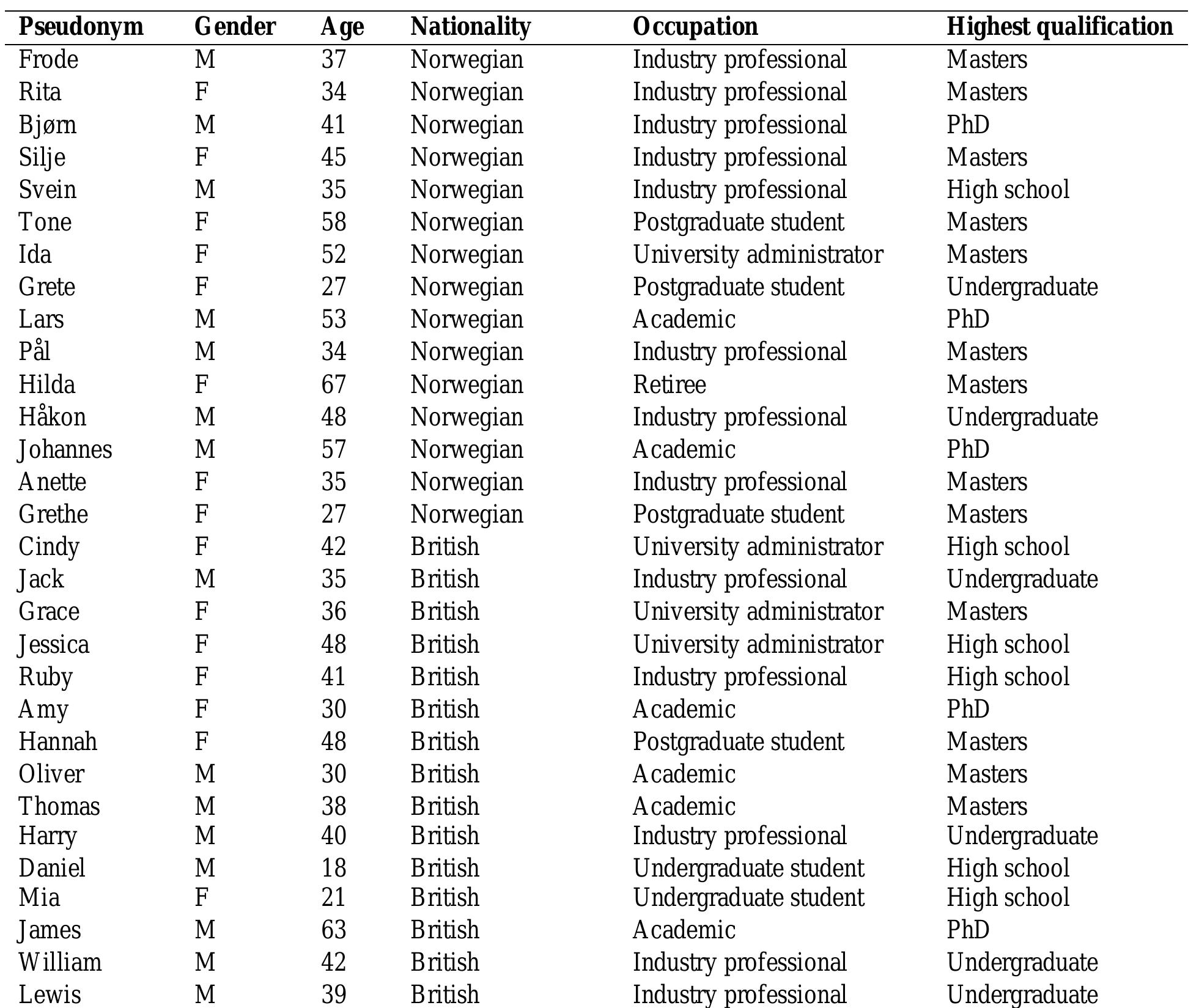
Utilizing semi-structured interviews with 30 participants in Norway and the UK provided qualitative insights into societal perceptions and personal narratives surrounding frequent air travel.
The growing consumer carbon conscience suggests a potential societal shift against excessive air travel, challenging existing norms and possibly reframing frequent flying as socially unacceptable.


Journal of Travel Research, 2014
""The ‘flyers’ dilemma’ describes the tension that now exists between the personal benefits of tourism and the climate concerns associated with high levels of personal aeromobility. This article presents the first international comparative analysis of attitudes towards climate change and discretionary air travel, providing insights into areas of convergence and divergence across three European societies - Norway, the United Kingdom and Germany. Employing a critical interpretive approach and drawing upon 48 indepth semi-structured interviews, we document evidence of widespread neglect of the ‘flyers’ dilemma’. Our comparative analysis confirms that although current discretionary air travel practices are deeply embedded and resistent to change, attitudes towards the climate crisis and barriers to behaviour change offer points of important contrast between different societies. Efforts to reformulate excessive discretionary air travel in response to accelerating global climate change must accommodate the unique issues and contrasting perspectives that exist in sections of these socieites. Keywords: Climate change, discretionary air travel, ‘flyers’ dilemma’, attitudes, behavior change. ""
Journal of Sustainable Tourism, 2013
"""Encouraging positive public behaviour change has been touted as a pathway for mitigating the climate impacts of air travel. There is, however, growing evidence that two gaps, one between attitudes and behaviour, and the other between practices of “home” and “away”, pose significant barriers to changing discretionary air travel behaviour. This article uses both modern sociological theory on tourism as liminoid space, and postmodern theory that views identities as contextual, to provide a deeper understanding of why these gaps occur in the context of tourism spaces. Based on 50 in-depth consumer interviews in Australia, Norway and the United Kingdom, our findings confirm that tourism spaces are often subject to lower levels of environmental concern than daily domestic contexts. The majority of participants reduced, suppressed or abandoned their climate concern when in tourism spaces, and rationalised their resulting behavioural contradictions. Only a minority held there was no difference between the environmental sustainability of their practices in domestic situations versus those on holiday. These findings suggest that scope for voluntary positive behaviour change in the air travel context is limited and will not come without stronger intervention, which is a key finding for policy makers seeking reductions in air travel’s climate impacts. Keywords – Flying, climate change, attitude-behaviour gap, home and away, identity, behaviour change """
Journal of Cleaner Production, 2016
Tourism has been critiqued as an environmentally destructive industry on account of the greenhouse gas emissions associated with tourist mobility. From a policy perspective, current and projected growth in aviation is fundamentally incompatible with radical emissions reduction and decarbonisation of the global energy system. Efforts to address the aviation-climate change ‘policy clash’ must be informed by an understanding of public sentiments towards climate change, air travel and carbon mitigation. This article examines how consumers across four western nations are responding to the environmental excesses of contemporary air travel consumption. It focuses on individual receptiveness to voluntarily measures aimed at changing flying behaviours, industry responses and degrees of government regulation. Its theoretical context harnesses lessons from public health to inform a discussion of bottom up (social marketing, nudge) and top down (government regulation) approaches to the urgent challenge of radical air travel emissions reduction. The findings of its comparative empirical analysis are presented, based upon 68 in-depth interviews conducted in Norway, the United Kingdom, Germany and Australia. We highlight contrasts in how consumers are beginning to internalise and process the environmental excesses of contemporary air travel consumption. Whereas voluntary measures, such as carbon off-setting, are viewed with widespread scepticism, divergence was found across the four study contexts in willingness to accept regulatory measures. Norwegians were far more willing to accommodate strong government intervention through taxation, whereas participants from the other three nations favoured softer strategies that are not perceived as restricting individual freedoms to travel. We conclude that voluntary approaches will be insufficient alone, and that behavioural change in public flying behaviour requires diverse policy measures. These must be informed by insights into the public’s willingness to palate stronger mitigation interventions, which varies within and between societies. Keywords: Emissions, aviation, behaviour change, public health, regulation, nudge, social marketing
The ‘flyers’ dilemma’, where an individual’s self-identity as an environmentally-responsible consumer conflicts with the environmental impacts of frequent air travel, has been shown to produce a range of negative psychological effects. Some have argued that frequent flying may represent a site of behavioural addiction, characterized by guilt, suppression and denial. While this sort of pathologisation finds parallels in other forms of excessive consumption, its application in a tourist context is problematic in terms of classification validity, attribution of negative consequences, transfer of responsibility, and tendency towards social control and domination. We argue for an alternative conceptual approach to frequent flying which elaborates the structural reproduction of the ‘flyers’ dilemma’, rather than its individual, psychological effects.
Tourism Management, 2011
"Accelerating global climate change poses considerable challenges to all societies and economies. The European Union now targets a 20% reduction in CO2 emissions by 2020. Indeed, the Labour-led Norwegian government is committed to carbon neutrality across all sectors of the economy by 2030. Aviation has been identified as a rapidly growing contributor to CO2 emissions. This article reports on a research project that explored Norwegian attitudes towards climate change, particularly as they relate to extreme long-haul air travel to Aotearoa/New Zealand. It reveals that the 'dream trip' to New Zealand for Norwegians is still largely intact. It also finds evidence of 'air travel with a carbon conscience' arising from growing concern for high frequency discretionary air travel. Evidence of denial of the climate impact of air travel that recent studies have revealed was largely absent. Interviewees expressed a greater concern for short-haul air travel emissions than for the climate impact of long-haul travel. However, intentions to adapt long-haul travel behaviours were expressed, highlighting the need to monitor consumer attitudes towards the impact of air travel on climate change. We conclude that Norway is a vanguard European tourism market in terms of climate sensitivity. Keywords: climate change; aviation; CO2 emissions; extreme long-haul travel; Norway; New Zealand"
Handbook on Transport and Development
The level and growth of passenger transportation-or travel-represents a major challenge to environmentally sustainable development (EEA, 2002; OECD, 2000, 2002). Among a number of environmental consequences, climate change, air pollution and excess energy consumption are the most important. In developed countries, leisure travel constitutes a major and growing share of total travel. In the EU, for example, leisure travel accounts for approximately one-third of all trips (EEA, 2008). A survey of travel in Norway (Denstadli et al., 2006) suggests that leisure trips are responsible for more than half of total CO 2 emissions from travel because leisure trips tend to be longer and use more energy-consuming modes of transportation than everyday trips. Banister et al. (2000) projected that over the next 20 years, more people will spend more time on leisure activities because of an ageing population in OECD countries. Much of this increased leisure travel could involve long-distance air travel because more people have the means, time and desire to see the world (Gössling, 2010). Meanwhile, research on sustainable passenger transport has mainly focused on everyday travel. Among the driving forces for everyday travel are globalization, lifestyles and individual travel preferences, demographic trends, household structure, economic growth and household income, urban sprawl, and specialization in education and labour (
Tourism and Hospitality Research, 2015
ABSTRACT This paper reports the results of two exploratory studies (overall N=532) which aimed at drawing the profile of the ‘sustainable tourist’ (a person committed to respect the sustainability principles when on holiday) in terms of personal values, attitudes and personality traits, following an environmental psychology approach. More specifically, study 1 explored the role of Attitudes Towards Sustainable Tourism (ATST), Affinity Towards (social and environmental) Diversity (ATD), and personal values, while study 2 assessed the role of the Big Five personality traits in the prediction of preferences for sustainable and unsustainable tourist activities. Results indicate that biospheric values, positive attitudes towards sustainable tourism, and higher levels of affinity towards diversity are able to predict more sustainable tourism choices while personality traits seemed to play a more indirect and complex role.
Journal of Travel Research, 2013
Air travel is forecast to grow globally at around 5% per annum over 30 years, in direct conflict with targets to reduce greenhouse gas emissions by between 60% and 80% by 2050. Many authors identify individual behavioral change, with consumers choosing fewer flights, as a contributor to reducing growth. An increasing number of studies examine knowledge about climate change and how this influences decisions to take holidays by air, although these have focused on tourists from developed countries where aviation growth is slowing, whereas future high growth will come from emerging economies. This article explores attitudes to flying from one emerging economy, Poland. A survey of Polish nationals conducted in Cracow in 2010 revealed concern over climate change although knowledge of its causes was poor. Analysis, using a social representations perspective, showed significant societal structures embed air travel as the norm and identified both internal and external barriers to behavioral change.
Journal of Sustainable Tourism
Research in the area of sustainable tourism continues to grow, however a lack of understanding regarding necessary action inhibits progress. critique regarding the failure of the MDGs, as a direct result of a lack of critical consciousness, and understanding of the structural contexts of poverty and under-development, provided the impetus for our work. McCloskey (2015) signals the important role of education in fostering transitions to sustainability. As such, we have applied our critical lens to the 2030 United Nations Sustainable Development Goals. Our paper offers tools for critically thinking through the potential for the SDGs to help shape the tourism industry for more sustainable, equitable, and just futures. We positioned six themes to serve as a conceptual framework for interrogating the SDG agenda in tourism; arising from our considerations of both reformist and radical pathways to sustainable transitions in tourism: critical tourism scholarship, gender in the sustainable development agenda, engaging with Indigenous perspectives and other paradigms, degrowth and the circular economy, governance and planning, and ethical consumption. We address these core themes as essential platforms to critique the SDGs in the context of sustainable tourism development, and highlight the cutting edge research carried out by our contributors in this special issue.
Journal of Sustainable Tourism, 2014
Travel, tourism, climate change and behavioral change: travelers' perspectives from a developing country, Nigeria
Current Issues in Tourism, 2013
Although consumer behaviour (CB) is one of the most researched areas in the field of tourism, few extensive reviews of the body of knowledge in this area exist. This review article examines what we argue are the key concepts, external influences and opportune research contexts in contemporary tourism CB research. Using a narrative review, we examine the CB literature published in three major tourism journals from 2000 to 2012. Of 519 articles identified and reviewed, 191 are included in this article. We examine the development of and scope for future research on nine key concepts, including decision-making, values, motivations, self-concept and personality, expectations, attitudes, perceptions, satisfaction, trust and loyalty. We then examine three important external influences on tourism behaviour, technology, Generation Y and the rise in concern over ethical consumption. Finally, we identify and discuss five research contexts that represent major areas for future scholarship: group and joint decision-making, under-researched segments, cross-cultural issues in emerging markets, emotions and consumer misbehaviour. Our examination of key research gaps is concluded by arguing that the hedonic and affective aspects of CB research in tourism must be brought to bear on the wider CB and marketing literature.
Journal of Sustainable Tourism, 2015
The version presented here may differ from the published version. If citing, you are advised to consult the published version for pagination, volume/issue and date of publication JOST2478FR Climate change mitigation and the age of tourism accommodation buildings: a UK perspective.
Sustainability Science
As many business activities-especially those associated with the energy-intensive industries-continue to be major sources of greenhouse gas emissions, and hence significantly contributing to global warming, there is a perceived need to identify ways to make business activities eventually carbon neutral. This paper explores the implications of a changing climate for the global tourism business and its intertwining global aviation industry that operates in a self-regulatory environment. Adopting a bibliometric analysis of the literature in the domain of global tourism and climate change (772 articles), the paper reveals the underlying sustainability issues that entail unsustainable energy consumption. The aviation industry as a significant source of carbon emission within the sector is then examined by analyzing the top 20 largest commercial airlines in the world with respect to its ongoing mitigating measures in meeting the Paris Agreement targets. While self-regulatory initiatives are taken to adopt Sustainable Aviation Fuels (SAF) as alternative fuel production and consumption for drastically reducing carbon emission, voluntary alignment and commitment to long-term targets remain inconsistent. A concerted strategic approach to building up complementary sustainable infrastructures among the global network of airports based in various international tourist destination cities to enable a measurable reduction in carbon emission is necessary to achieve a transformational adaptation of a business sector that is of essence to the recovery of the global economy while attempting to tackle climate change in a post-COVID-19 era.
Annals of Tourism Research, 2020
Consumption and Society
Flying is the most climate-impacting form of individual consumption. This article interrogates the drivers and dynamics behind ever-increasing amounts of air travel ascribable to a minority, whose flying contributes an ever-larger proportion of travel-related energy consumption and carbon emissions. Moving beyond established work on (increases in) flying, it establishes the need to focus transport emissions reduction efforts on this relatively small number of elite, hyper-aeromobile travellers. After outlining existing literature on different aspects of flying and frequent flying, which are combined in referring to hyper-aeromobility, the article reviews the many diverse explanations for its drivers and dynamics arising from different disciplinary traditions. Treating flying and frequent flying as ‘consumption behaviour’ has tended to focus on individualised behavioural explanations, but understanding and tackling rising hyper-aeromobility involves grasping expanding systems of prov...
SN Social Sciences
Many students find environmental justice to be emotionally overwhelming and/or politically alienating, and there is currently little work that provides instructors with effective techniques for addressing these types of challenges. In this paper, upon situating the environmental studies classroom and the broader undergraduate experience in sociohistorical context, we identify four sequential strategies for engaging and empowering students on environmental justice issues. First, instructors can facilitate an open and honest dialogue by strategically framing course content for the unique composition of the audience, sharing their own racialized experiences (or working with a guest speaker who would be willing to do so), and using interactive assignments to encourage student participation. Second, social theory can be presented to students as complimentary (rather than competing) ideas which can be used for creative, real-world problem solving. Third, instructors and students can cultivate empathy by acknowledging different standpoints, particularly those that have been historically marginalized. Lastly, by working in partnerships with community-based organizations, instructors and students can think and work beyond hero/savior and perpetrator/victim narratives. These strategies are not intended as a set of silver bullets, but rather as a series of potential starting points that are informed by recent scholarship on these topics.
Journal of Travel Research, 2019
The article reports an overview of studies that have investigated the role of attitudes in understanding tourists’ sustainable choices. The literature is discussed in the light of theories and empirical research in social and environmental psychology. The aim is to show how past and present work in these disciplines can help tourism scholars to deal with the complex functioning of the attitude concept when this is applied to sustainability issues. Particular attention has been paid to the theoretical and methodological distinctions between the different types of attitudes as they relate to sustainability. Suggestions for improving the effective use of attitudes in sustainability related tourism studies are made together with a discussion of the possible research avenues directed to consolidate as well as to broaden the theoretical foundations of the use of the attitude concept in this field.
Journal of Air Transport Management, 2018
Alternative jet fuels are one of the four mechanisms by the United Nations International Civil Aviation Organization (ICAO) to limit and reduce carbon emissions from international aviation. By using Carol Bacchi's what's the problem represented to be? method of discourse analysis, the objective of this paper was to identify and understand the premises and effects of the problem-solving paradigm underlying ICAO's alternative jet fuel strategy. As a result, three problem representations were identified, from which two out of four underlying assumptions have reinforced ICAO's weak sustainability approach to international aviation's growth and have led to a number of discursive, subjectification and lived effects. The selected method also allowed the authors to identify several options to disrupt those premises in favor of the implementation of more aggressive mitigation and adaptation strategies without constraining air travel demand, including: (i) raising awareness of the environmental impacts of aviation beyond the tailpipe emissions, (ii) improving the understanding of the effects of climate change on the air transport sector, and (iii) reassessing the sectoral approach to the Sustainable Development Goals so as to gain consistency with the aims of the UN 2030 Agenda for Sustainable Development.
International Journal of Sustainability in Higher Education, 2021
Purpose This study aims to examine the organizational citizenship behaviors toward the environment among US-based faculty members, in social sciences, natural sciences, the humanities and engineering. Potential barriers that may stop academia from being more sustainable are examined but also the opportunities for academics to be involved in environmental sustainability are explored. Design/methodology/approach The authors followed a sequential explanatory mixed methods approach using online surveys (n = 633) followed by open-ended phone interviews (n = 28). Findings Results suggest that there are certain power dynamics that force young faculty members in anti-environmental behaviors, although they are cognizant of the negative impacts on the environment. Many faculty members engage in environmental-related actions outside their service requirements, but this is mostly the case for tenured faculty members. Originality/value The originality of this study lies in the fact that it explo...
Transport Reviews, 2021
Emissions from aviation are expected to grow. With evidence that the International Civil Aviation Organization's Carbon Offsetting and Reduction Scheme for International Aviation is an inadequate mitigation mechanism, there is interest in upscaling the sector's climate-related policies. This paper reviews potential aviation emissions mitigation policies against the background of emerging complexities, such as the large share of radiative forcing not covered under any policy agreement, as well as highly skewed demand distributions. In total, 30 voluntary, market-based and regulatory "transition policies" are identified and evaluated with regard to their potential to reduce emissions from air passenger transport and to initiate the transition to new fuels and propulsion technologies. The paper also discusses the potential public acceptance of differing policies. It concludes that the removal of fossil fuel and related subsidies represents a priority, supported by policy mixes comprising levies (CO 2 , frequent fliers, premium classes) and a feed-in quota for definitively established sustainable aviation fuels. To reduce flight emissions is feasible in principle, but will require policy initiatives at the national level or at the level of regional jurisdictions such as the European Union.
WIREs Climate Change, 2012
Tourism is a major global economic sector that is undergoing tremendous growth in emerging economies and is often touted as salient for development and poverty alleviation in developing countries. Tourism is recognized as a highly climate‐sensitive sector, one that is also strongly influenced by environmental and socioeconomic change influenced by climate change, and is also a growing contributor to anthropogenic climate change. This article outlines the complex interrelationships between climate change and the multiple components of the international tourism system. Five focal themes that have developed within the literature on the consequences of climate change for tourism are then critically reviewed: climatic change and temporal and geographic shifts in tourism demand, climate‐induced environmental change and destination competitiveness within three major market segments (winter sports tourism, coastal tourism, and nature‐based tourism), and mitigation policy developments and fu...
Climate Action, 2022
Aviation emissions account for about 2.5% of global carbon emissions, and by 2050, their share could rise to 22%. This review article explores how climate scholars view the role of structural (policy-or business-focused) or agentic (individual-focused) approaches in reducing these emissions. From a structuralist perspective, aviation emissions require policy changes because they reflect regulatory and business failures to address the climate crisis. By itself, individual actions will not significantly reduce emissions. Moreover, focusing on personal (agentic) action might allow governments and firms to disavow their role in the climate crisis. From an agentic perspective, aviation emissions reflect carbon-intensive lifestyles. Even within the existing policy structures, individuals can reduce the carbon footprint of their travel. At the same time, individuals can serve as influencers, voters, and social movement participants to pressure governments and businesses to develop low-emission air travel policies. Rather than viewing agency and structures as distinctly separate approaches, we suggest that they could co-evolve to create pathways to reduce aviation emissions. Policy initiatives can facilitate individual efforts to reduce air travel emissions, and individual action could shape policies structuring their choices.
Goodfellow Publishers eBooks, 2018
Bislang gibt es keine gesicherten Erkenntnisse über das Verhalten der Urlaubsreisenden bei veränderten Klimabedingungen. Um die Auswirkungen des Klimawandels im Tourismussektor hinsichtlich Risiken und Chancen fundierter einschätzen zu können, wurden im Rahmen einer repräsentativen Online-Befragung von über 800 österreichischen Urlaubsreisenden untersucht, wie man mit seinem Urlaubsverhalten reagiert, wenn es z.B. an den Küstenzielen am Mittelmeer in den Sommermonaten einfach zu heiß wird, Trockenheit und Wassermangel herrschen oder in der Wintersaison in den alpinen Regionen durch Schneearmut der Schisport nur mehr eingeschränkt ausgeübt werden kann. Aber auch die Einstellungen der Urlaubsreisenden zum Klimawandel, die Akzeptanz klimaschonender Verhaltensweisen auf Urlaubsreisen und der Einfluss steigender Mobilitätskosten auf das Reiseverhalten waren Gegenstand der Untersuchung. Die Befragungsergebnisse zeigen, dass der Klimawandel in den meisten Köpfen der österreichischen Urlaubsreisenden bereits sehr präsent und damit für das Problem Klimaschutz sensibilisiert ist. Das Thema ist zwar "angekommen", die Bereitschaft zu klimaschonenden Verhaltensweisen bei Urlaubsreisen ist aber noch eher gering ausgeprägt. Teilweise zeigen sich recht hohe Akzeptanzwerte und damit Potenziale für klimaschonende Verhaltensweisen.
Sustainability, 2020
The purpose of this study is to investigate in depth the perspectives of sustainability scientists regarding academic air travel, with an emphasis on cognitive dissonance and associated coping and rationalisation strategies. The research design is case study-based, focusing on a sustainability-focused academic unit in Germany. Thematic content analysis was applied to the transcripts of 11 interviews with sustainability scientists. Analytic codes were informed by prior previously identified cognitive dissonance reduction strategies. The research design is interpretative rather than seeking representativeness. Most of the academics questioned experience some degree of cognitive dissonance relating to the disjunction between their sustainability knowledge, attitudes and flight behaviour. While this dissonance relates—as expected—to the inconsistency between pro-environmental attitudes and flying, it also relates to the contradiction of social norms that support academic flying. To reso...
Mobilities, 2020
In this paper, methods of valuation of restructuring impact on company's financial results are analysed. Such analysis is important as attention to restructuring is growing; however scientific literature does not present a single methodology for estimation of restructuring impact on value of a company and its performance results. There are analysed following valuation methods: traditional indicators of performance measurement (financial ratios), cash flow methods, value based methods, and cash flow return on investment. It was found that most of methods refer to profit (use accounting data) or cash flow (are based on forecasts, therefore often difficult to calculate and unreliable). The most of advantages have traditional performance evaluation methods (financial ratios) and one of value based methods (EVA); therefore they are the most suitable to estimate impact of restructuring on value of a company and its performance results.
Journal of Sustainable Tourism, 2016
Recent research has shown that holiday air travel constitutes a typical value-action gap as many people continue to fly despite their concerns about climate change. However, some people do voluntarily reduce their holiday flights. Little is known so far about the role that values play in this decision. This paper examines this question based on semi-structured interviews with participants in local climate change and energy-saving projects. It finds that people who voluntarily reduce their holiday air travel are more ready than those who continue to fly to accept that their behaviour makes a contribution to climate change; that they feel a moral imperative to act regardless of its effectiveness in mitigating climate change; and that they distance themselves from socially dominant norms related to holiday air travel. This paper argues that these characteristics are connected to values of self-transcendence and self-direction, and that in this way values remain important for understanding and supporting low carbon behaviour.
