Academia.eduAcademia.edu

Outline

The Barbarians and Roman Dacia. War, Trade and Cultural Interaction

Abstract

This paper presents a narrative of the comings and goings of native groups beyond the Dacian limes during the Roman period and into the former Roman province following the withdrawal of administration by Emperor Aurelian. The discussion is based primarily upon a review of archaeological evidence with some textual references as well. In the initial phase of Roman occupation of Dacia, the relationship between the Romans and natives (at this time Iazyges) was somewhat hostile but became less so with time. The relationship with other groups, such as the Przeworsk and Wielbark cultures was generally amicable. In the late Roman and post-Roman phases, the latter groups pushed closer to Dacia and even entered the region. The Gepids and Goths were the most recent cultures to enter the region in the post-Aurelian period, inheriting respectively the north and western and the east and southern territories.

Key takeaways
sparkles

AI

  1. The paper narrates Roman-Dacian interactions post-Aurelian withdrawal, focusing on archaeological evidence.
  2. Hostility evolved to amicability between Romans and natives, notably with Iazyges and other cultures.
  3. Goths and Gepids emerged post-Roman era, taking control of respective territories in Dacia.
  4. Trade networks flourished post-Marcomannic wars, enhancing cultural exchanges across borders.
  5. Roman influences on local cultures persisted, evident in artifacts and settlement patterns in northwest Romania.
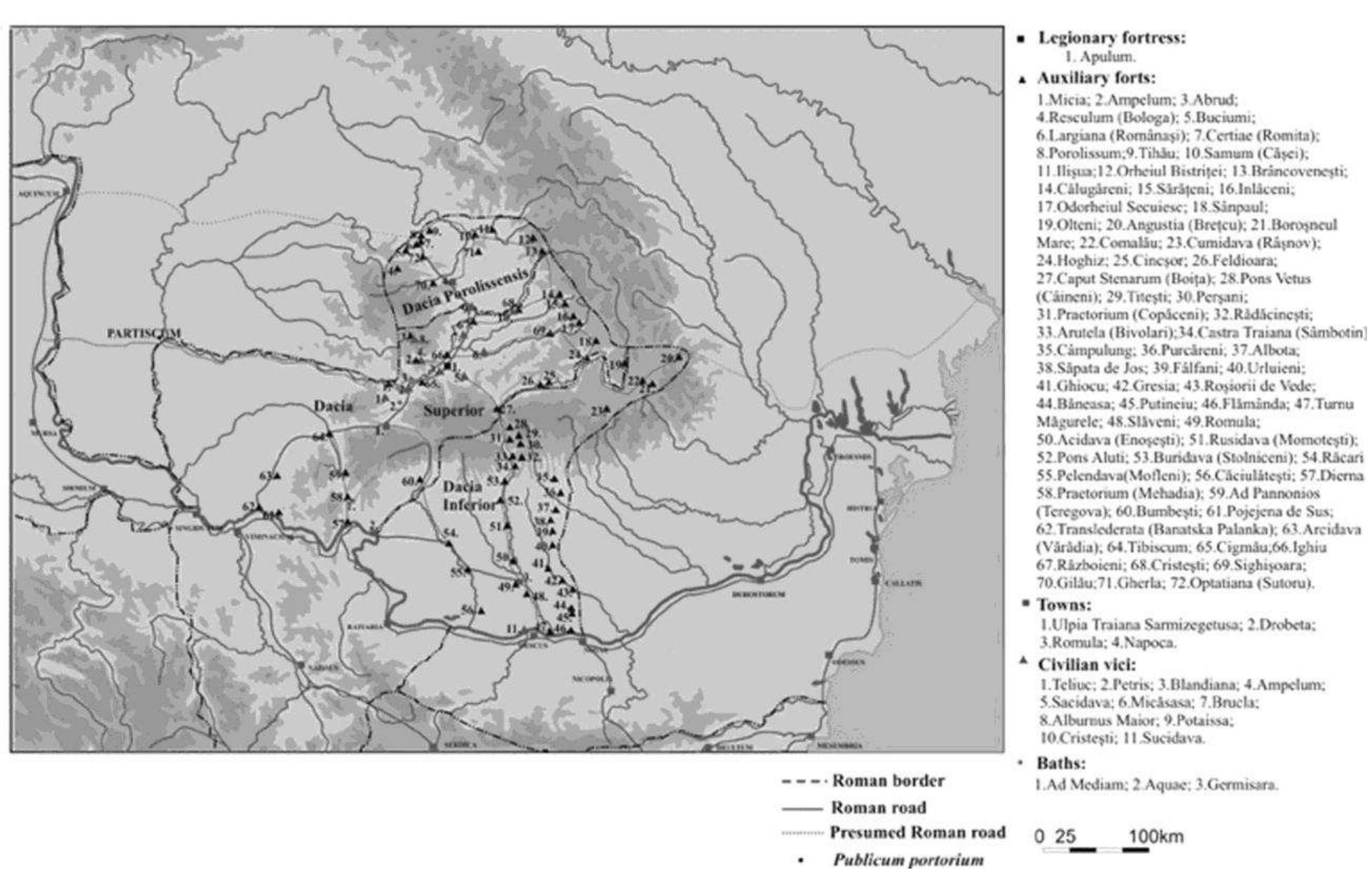
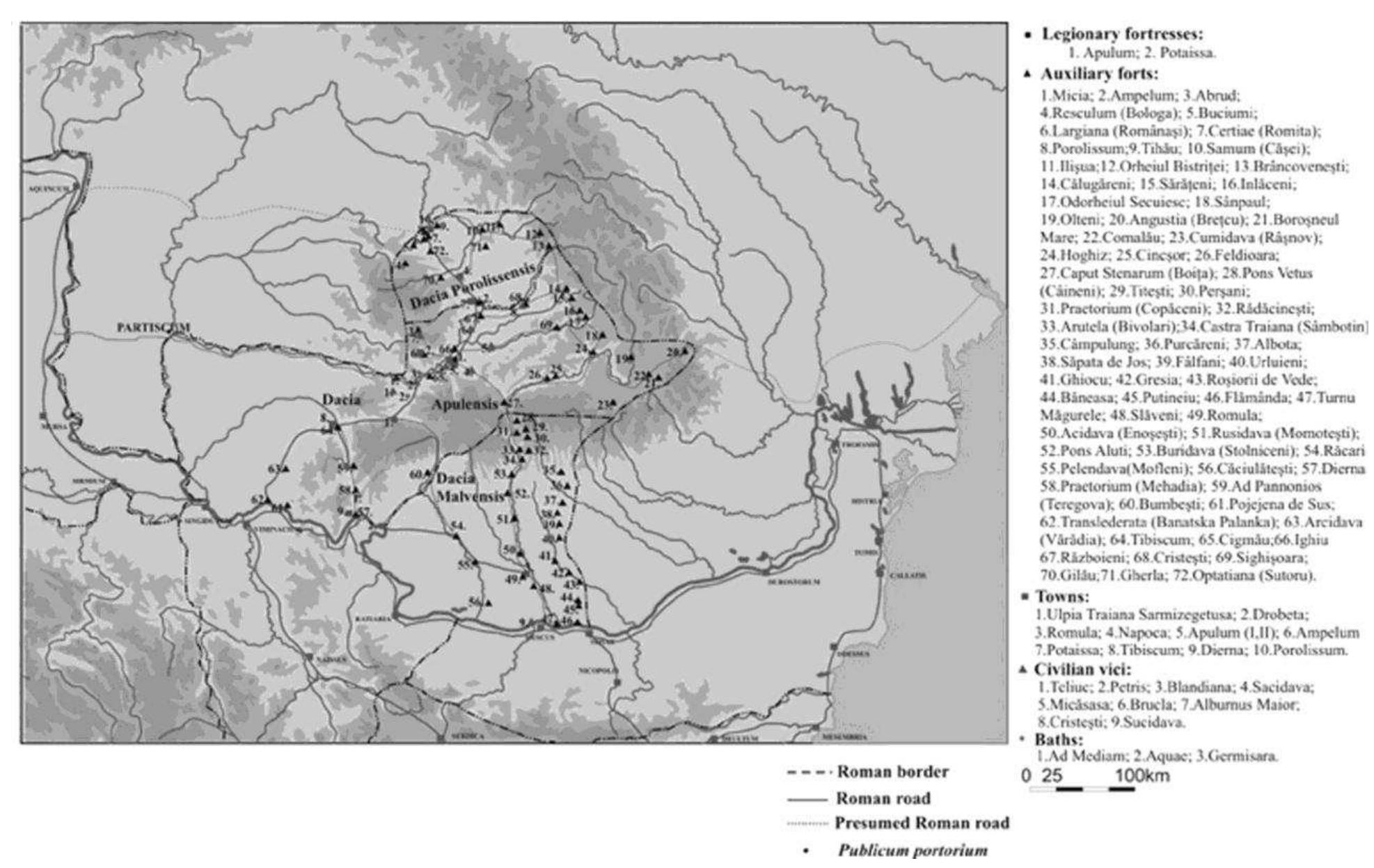
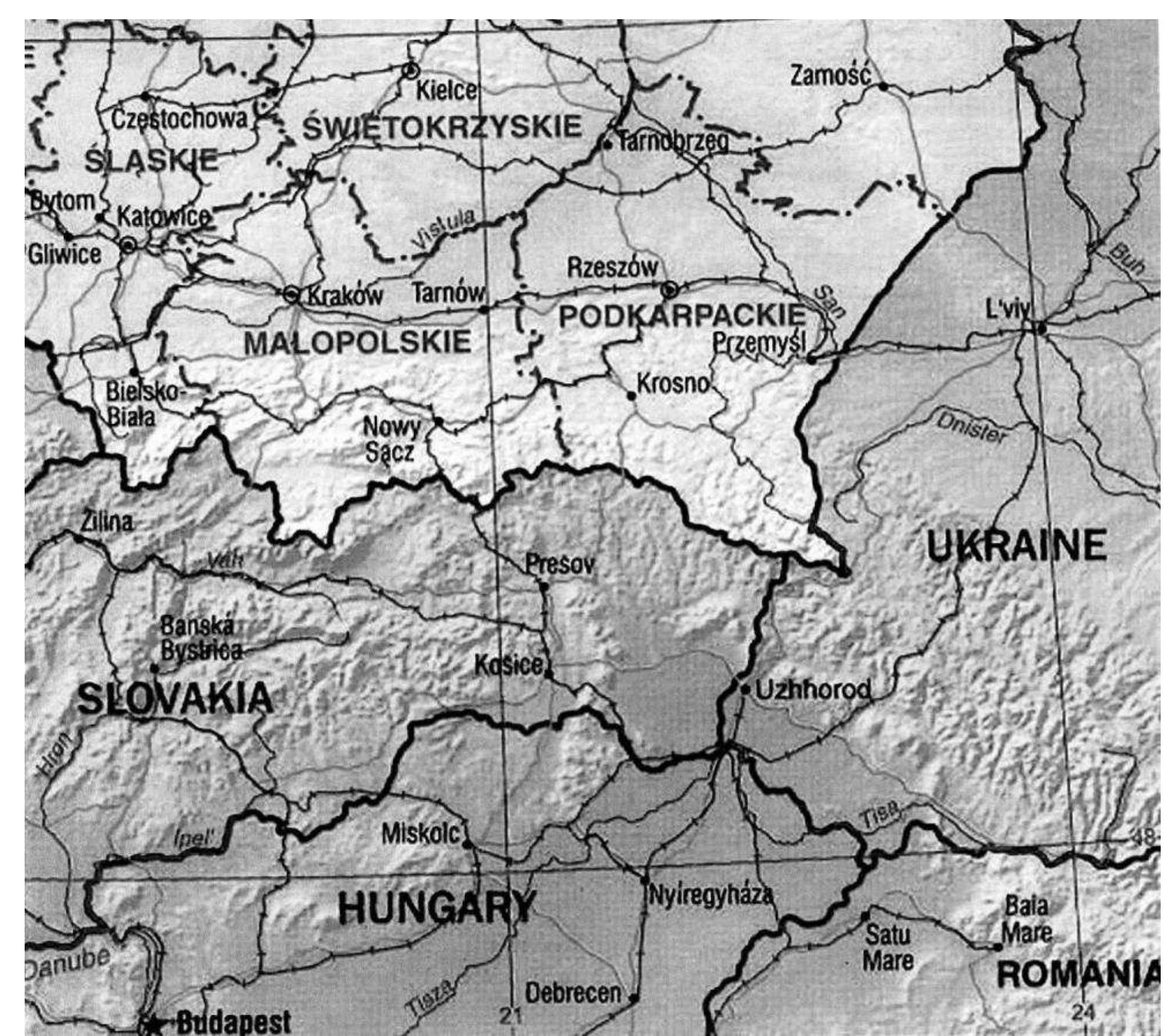
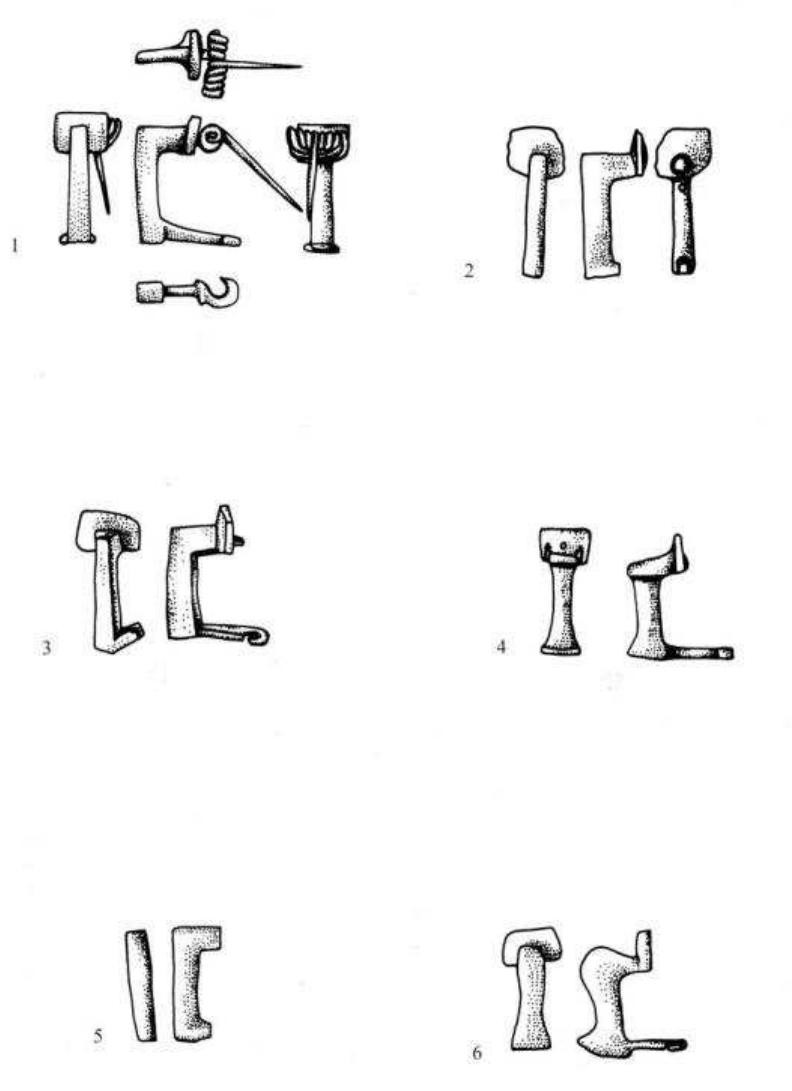
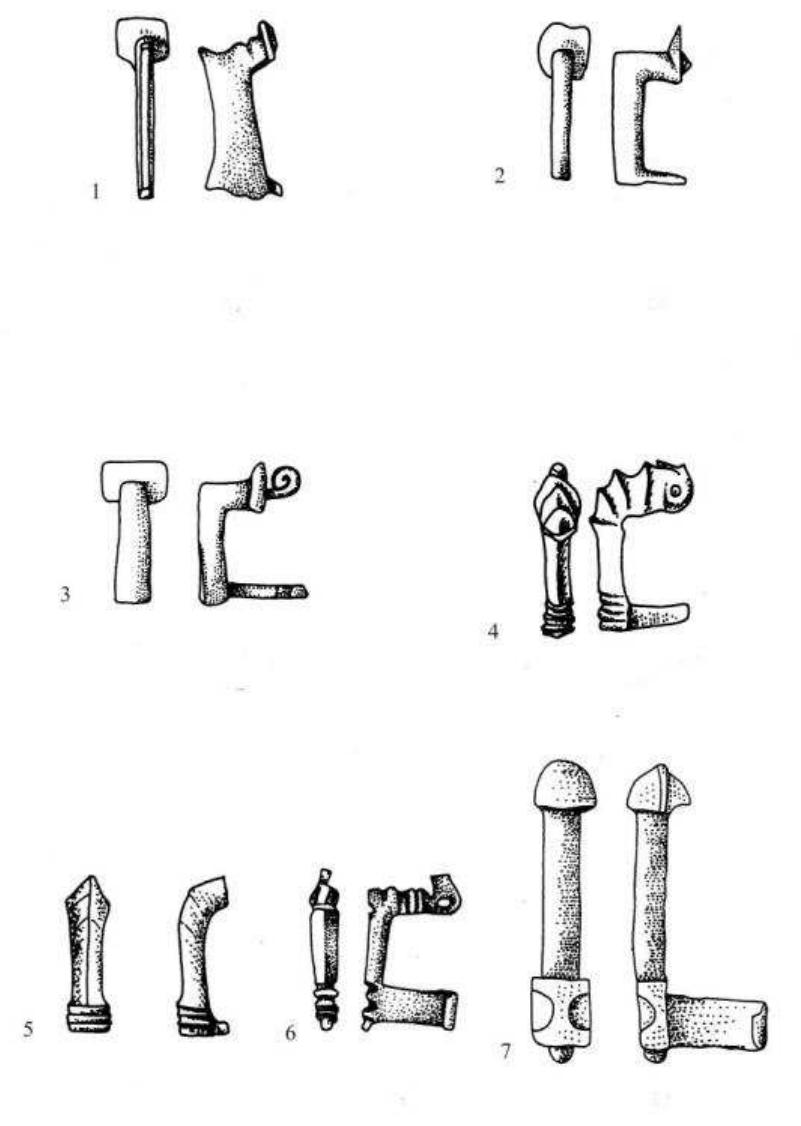
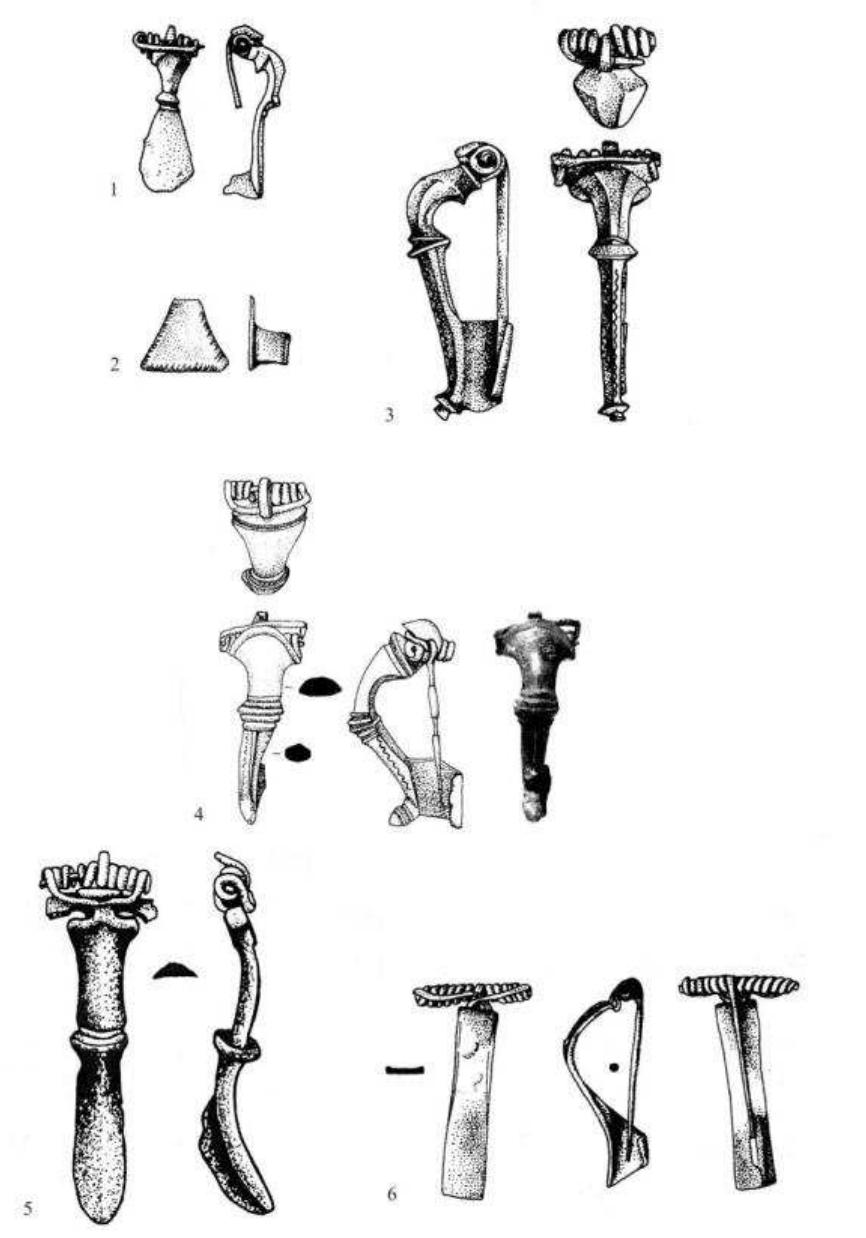
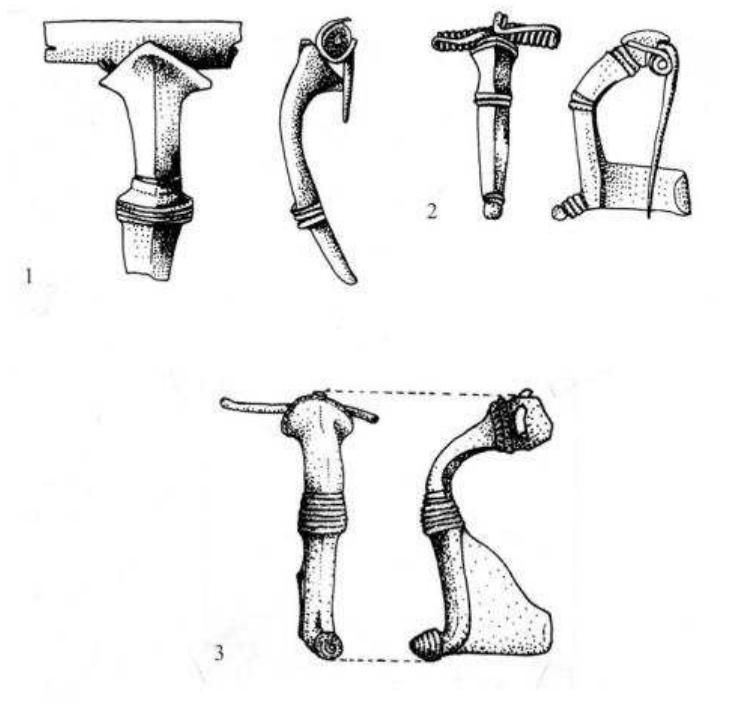
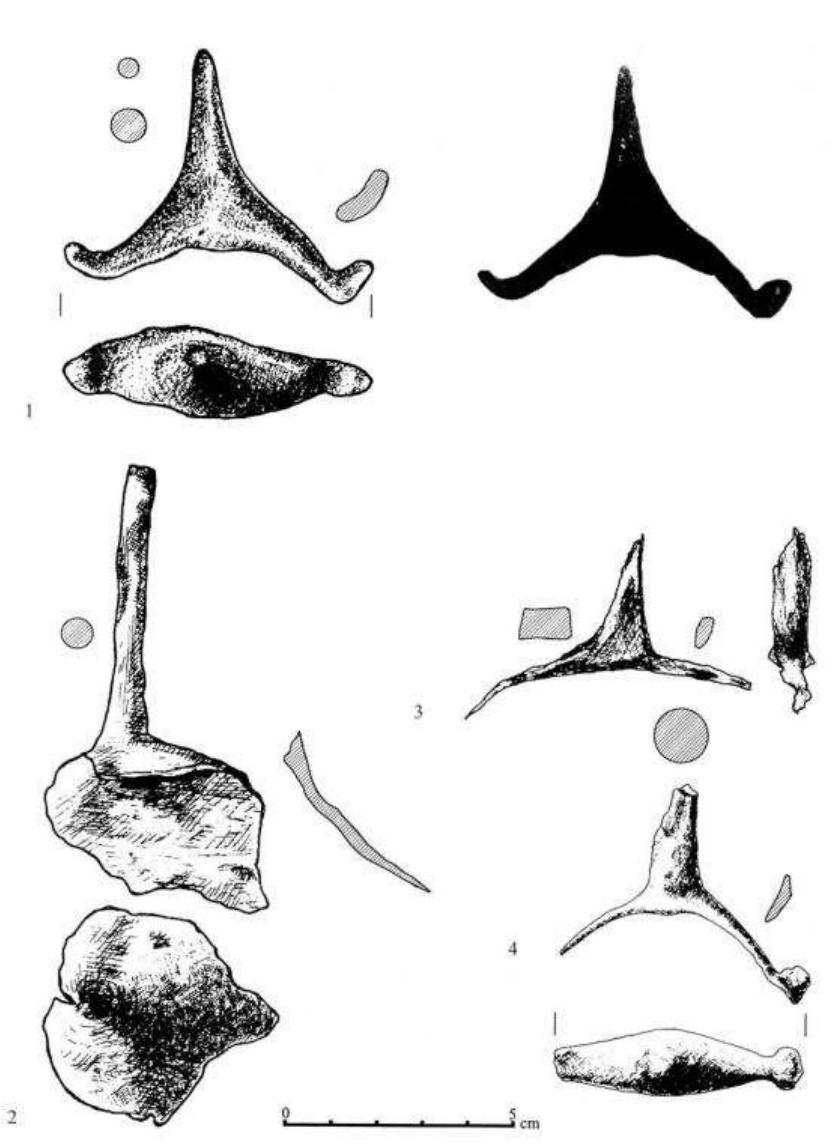
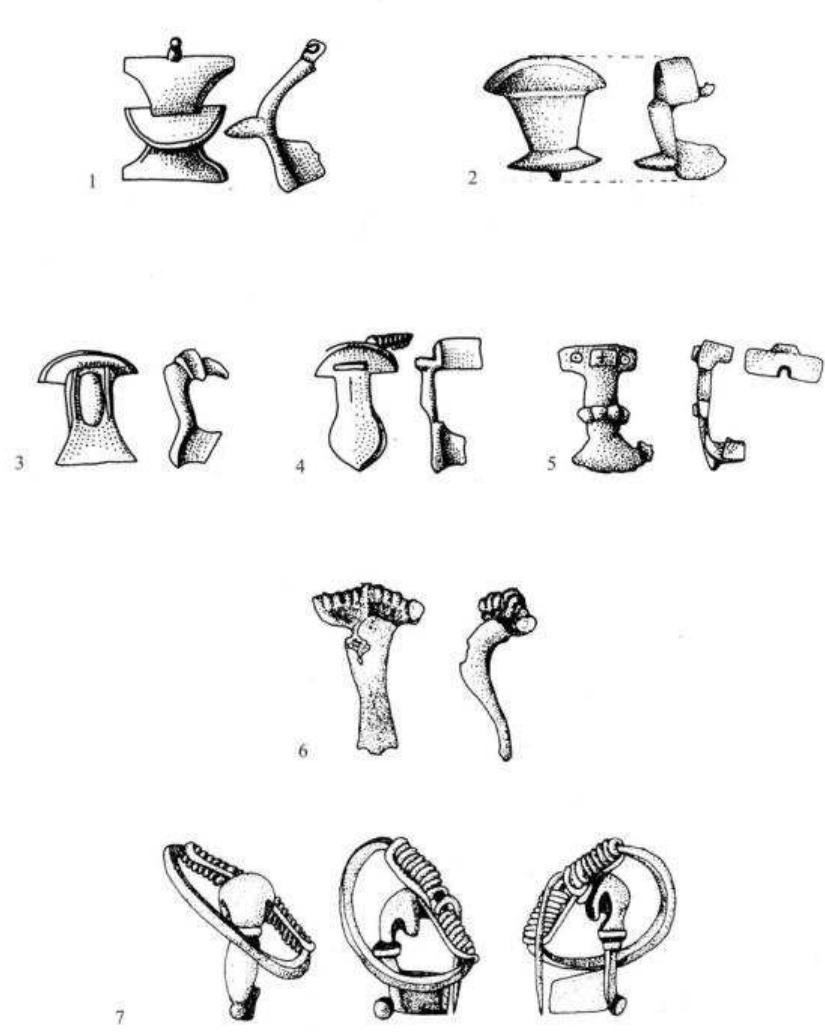
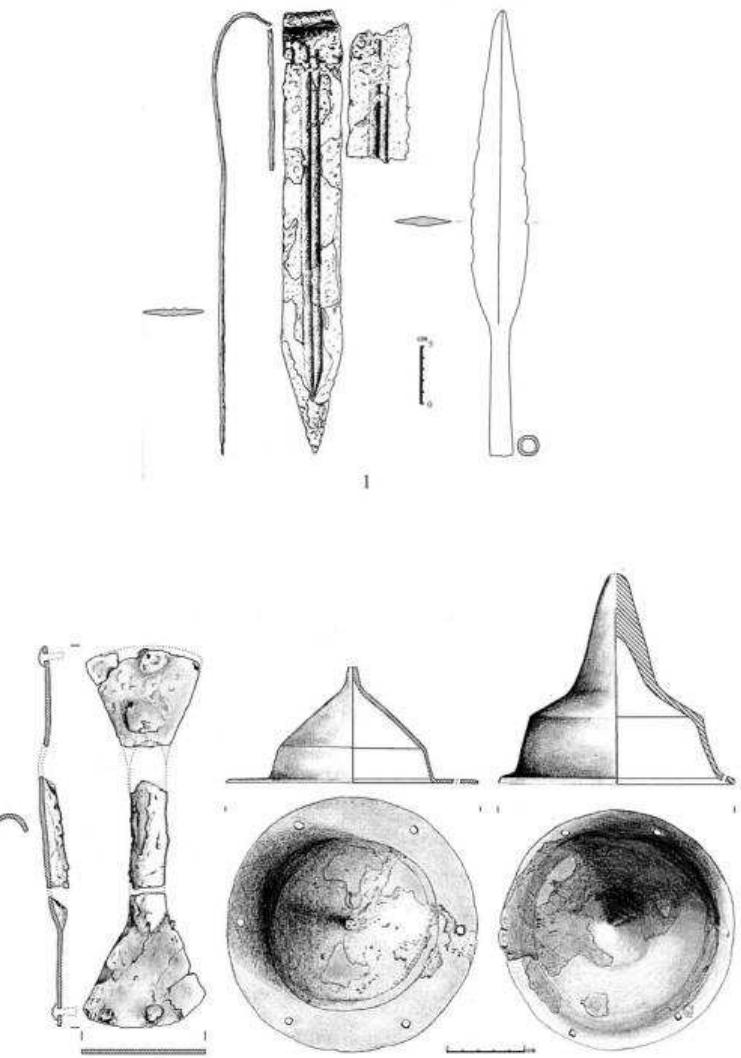
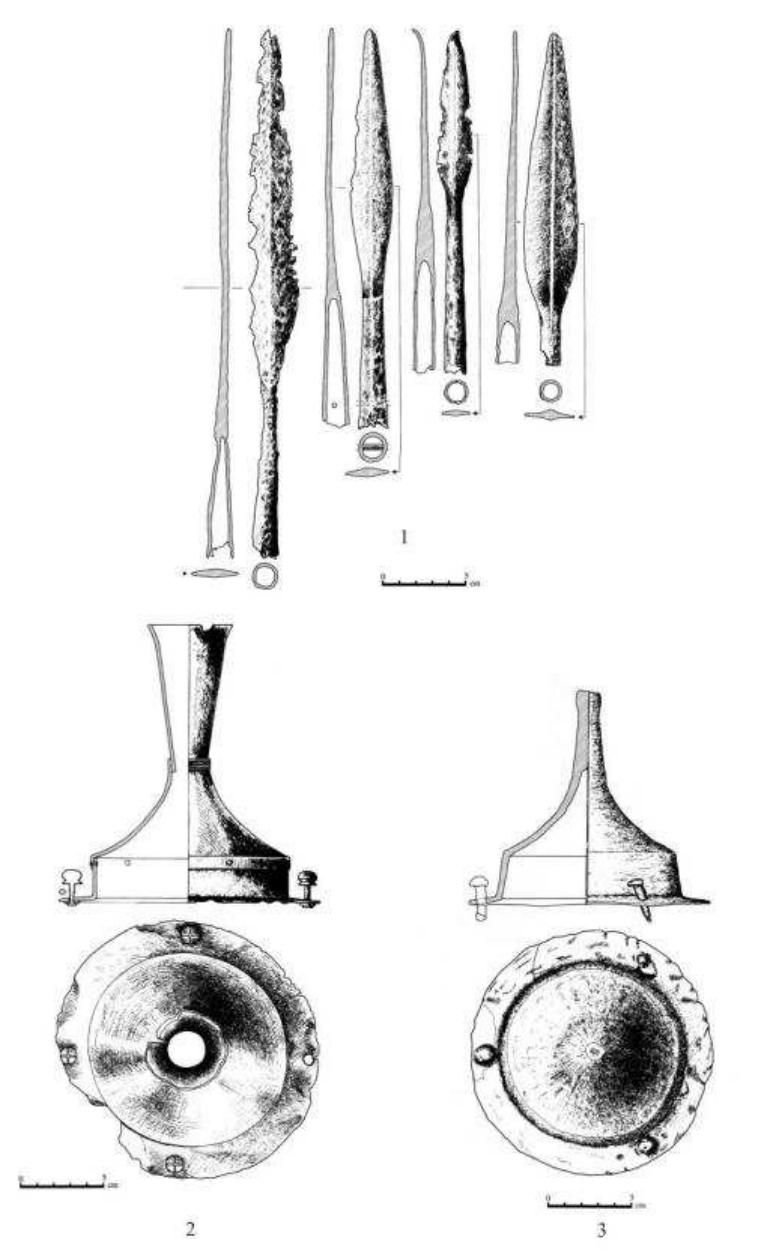
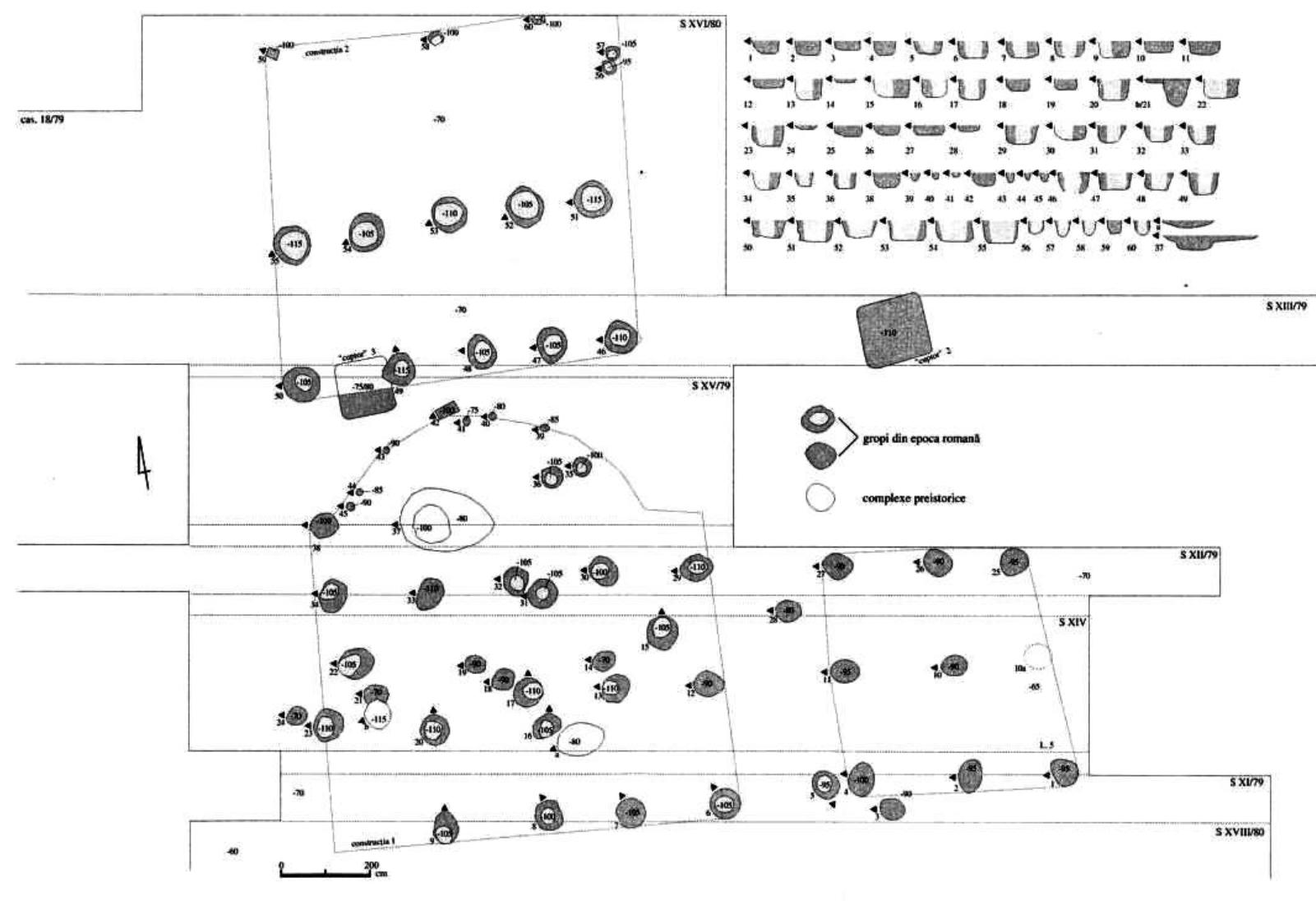
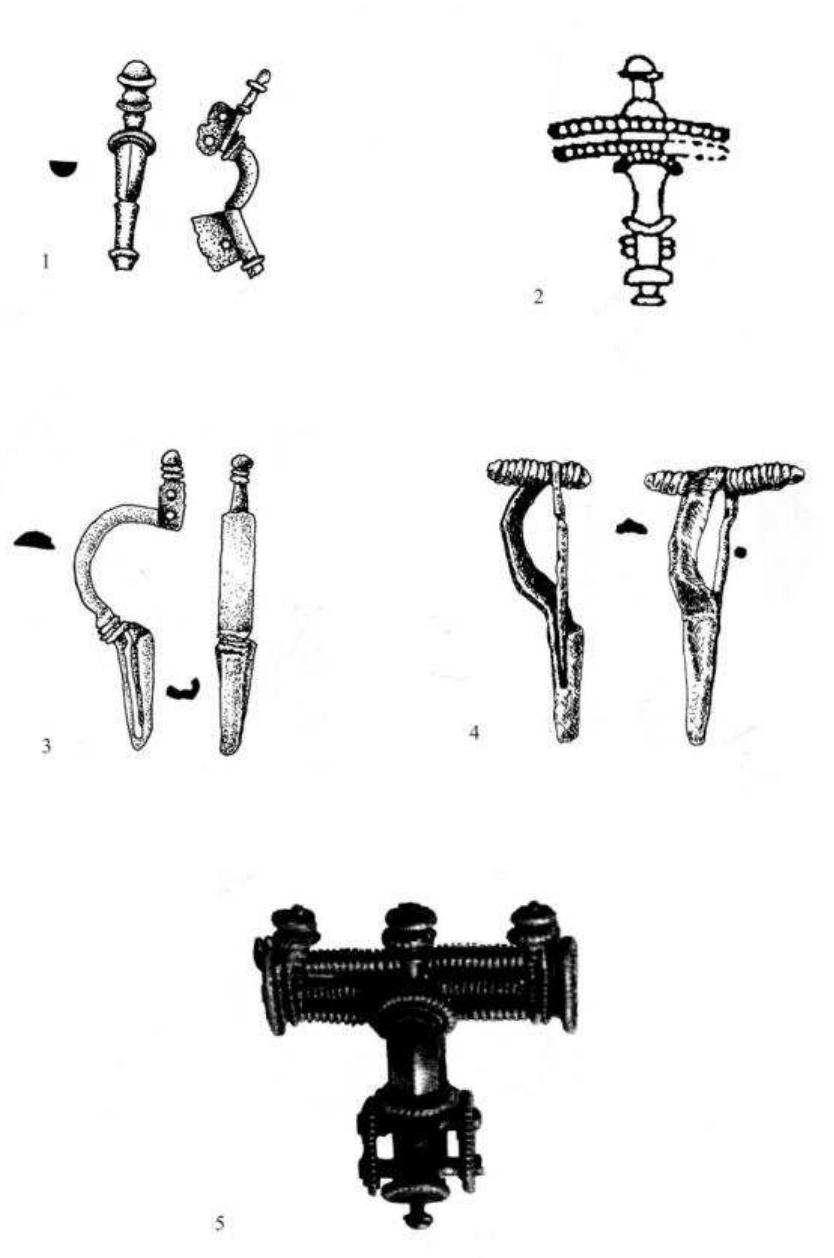
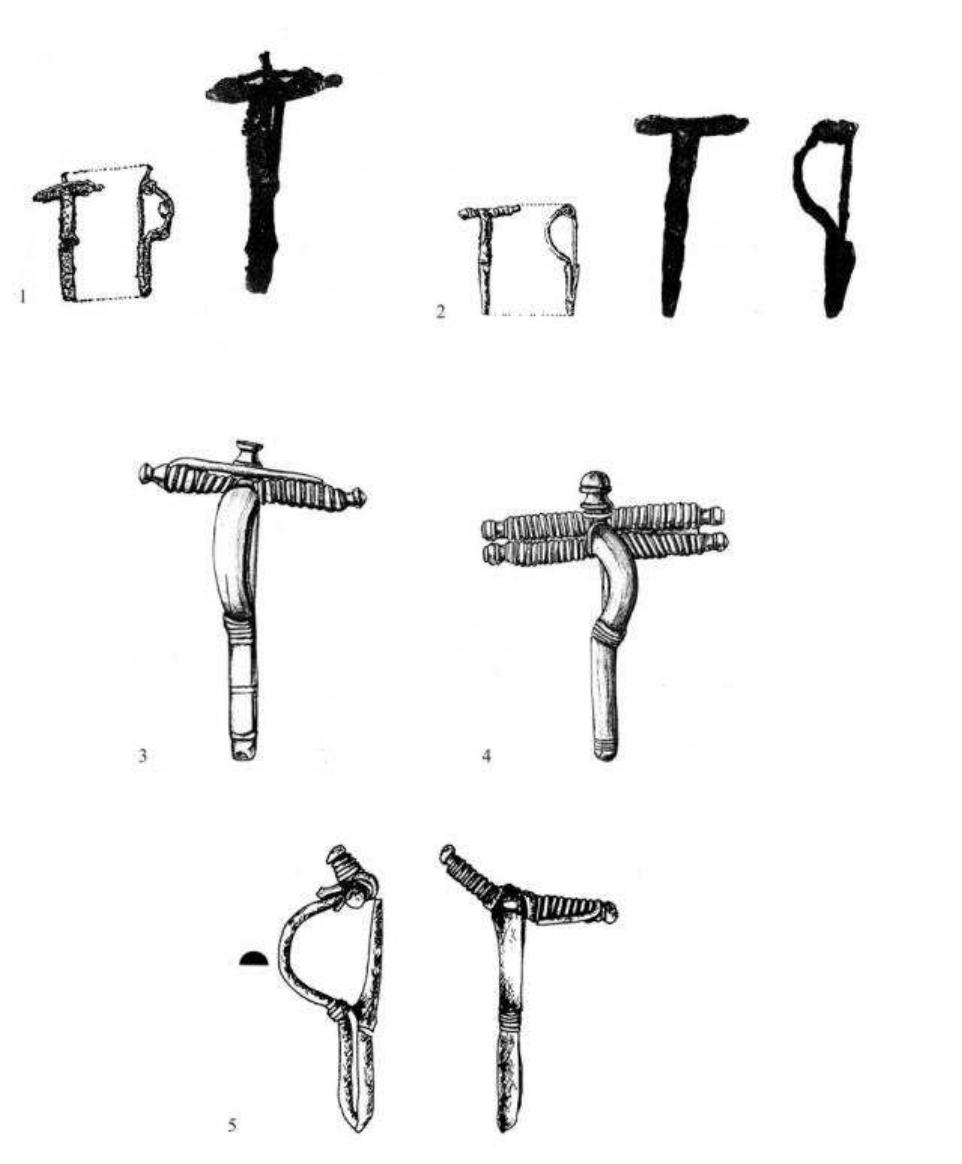
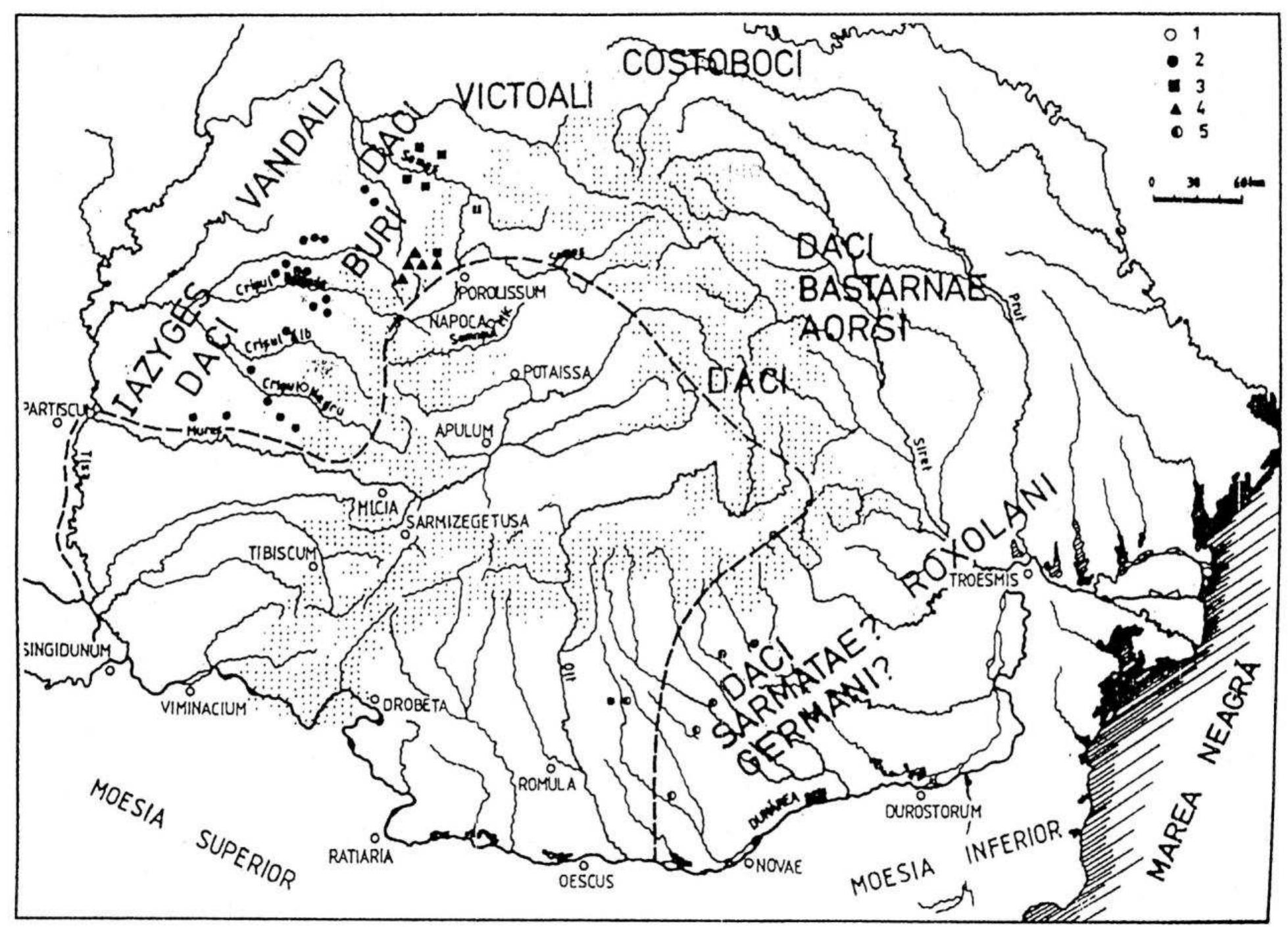
The Roman Empire and Beyond: Archaeological and Historical Research on the Romans and Native Cultures in Central Europe Edited by Eric C. De Sena Halina Dobrzanska BAR International Series 2236 2011 Published by Archaeopress Publishers of British Archaeological Reports Gordon House 276 Banbury Road Oxford OX2 7ED England [email protected] www.archaeopress.com BAR S2236 The Roman Empire and Beyond: Archaeological and Historical Research on the Romans and Native Cultures in Central Europe © Archaeopress and the individual authors 2011 ISBN 978 1 4073 0798 5 Printed in England by Blenheim Colour Ltd All BAR titles are available from: Hadrian Books Ltd 122 Banbury Road Oxford OX2 7BP England www.hadrianbooks.co.uk The current BAR catalogue with details of all titles in print, prices and means of payment is available free from Hadrian Books or may be downloaded from www.archaeopress.com THE BARBARIANS AND ROMAN DACIA. WAR, TRADE AND CULTURAL INTERACTION Coriolan Horaţiu Opreanu (Romanian Academy, Institute of Archaeology and History of Art Cluj-Napoca, Romania) Abstract. This paper presents a narrative of the comings and goings of native groups beyond the Dacian limes during the Roman period and into the former Roman province following the withdrawal of administration by Emperor Aurelian. The discussion is based primarily upon a review of archaeological evidence with some textual references as well. In the initial phase of Roman occupation of Dacia, the relationship between the Romans and natives (at this time Iazyges) was somewhat hostile but became less so with time. The relationship with other groups, such as the Przeworsk and Wielbark cultures was generally amicable. In the late Roman and post-Roman phases, the latter groups pushed closer to Dacia and even entered the region. The Gepids and Goths were the most recent cultures to enter the region in the post-Aurelian period, inheriting respectively the north and western and the east and southern territories. I. Initial Roman-native contact in and near Dacia. The Tisza River, and has the same chronology. It was recently Roman province of Dacia created by Trajan in AD 106 demonstrated that the main concentration of this type of (Fig. 1) had, from the beginning, important strategic brooch was in Dacia, and not in Pannonia or Noricum.5 roles: to separate the barbarian world to the north of the This means the items recovered in the area of the Tisza Danube and to avoid potentially dangerous coalitions, River arrived here from Dacia. The type is essentially which had occurred in the past when the Dacian kingdom absent from the areas of the Przeworsk and Wielbark united the barbarian tribes between the northern cultures.6 Moreover, the distribution of Roman 1st century Carpathians and the northern coast of the Black Sea. AD golden coins is very similar to the strongly profiled Trajan’s Dacia kept watch of the Iazyges located on the fibulae between the Western Carpathians and the Tisza western Tisza Plain and blocked any of their advances River7. This evidence strongly suggests that the western into Transylvania.1 plain extending to the Tisza River belonged to the province of Dacia during Trajan’s time.8 In Trajan’s time Dacia had direct contact on the western frontier with the Iazyges, a population with whom the Romans were in conflict, as Cassius Dio recorded.2 II. Changes under Hadrian and Antoninus Pius. After Recent archaeological excavations identified a heretofore the crisis of AD 117-119, Hadrian reorganized Trajan’s unknown turf wall and a ditch at Supurul de Sus (Satu Dacia (Fig. 2). To secure Transylvania over the Mare county) situated 45 km WNW of the Roman Carpathian Mountains and to maintain the separation fort/municipality, Porolissum (Fig. 1). The direction of from the barbarian world, Hadrian withdrew the Roman the wall faces south and west, as can be seen on the 5 km army from the plain. The territories which remained sector of investigated recently. The most recent under Roman rule to the north of the Danube were excavations also revealed a possible Roman burgus with reorganized: in the northwest, Hadrian probably left the an earthen rampart.3 It is very possible that this turf wall plain, giving it back to the Iazyges. The frontier of the belonged to the first defense system of Roman Dacia in new province Dacia Porolissensis was now on the Trajan’s time; thus, it may have been raised to protect the western Carpathians and the high hills in the northwest at Western border against the dangerous neighbors, the a reasonable distance from the territory of the Iazyges.9 Iazyges. This front-line border is suggested by the From inner Transylvania and Banat, Hadrian created distribution of the strongly profiled Roman fibulae with a Upper Dacia and to the southeast Lower Dacia; the trapezoidal-shaped foot.4 In the Roman Empire this eastern plain was now open to the dangerous Roxolani category of fibulae dates to the second half of the 1st from the north coast of the Black Sea.10 century AD and the beginning of the 2nd century. The type also exists in Barbaricum, mainly on the middle 5 Cociş 1995. 6 Andrzejowski 1992, 115-116. 1 7 Opreanu 1998, 37-5. Opreanu 1996, Abb. 1. 2 8 Cassius Dio LXVIII, 10, 3. Opreanu 1998, 50-51 3 9 Matei 2004; Matei, Gindele 2006. Opreanu 1998, 51-56. 4 10 Opreanu 1996, Abb. 1. Petolescu 1985; Petolescu 2002, 21-37. 125 Opreanu After Trajan’s war and the defense of Dacia against the oath when a treaty was concluded and their declarations harsh attacks of the Iazyges and Roxolani at the were equivalent to a written and signed agreement.20 It is beginning of Hadrian’s rule, the three provinces of Dacia also very probable that the governor of Dacia carried on and the surrounding barbarian world maintained peace peace negotiations with the barbarians in his own, until the period of the Marcomannic wars (Fig. 3). without asking for the imperial mandatum, as was usual practice.21 The same Sabinianus offered land within Latin written sources record that great movements of the Dacia to the 12,000 free Dacians, who were running from barbarian populations began from the Middle Danube their own country. The Roman governor first subdued frontier and in the region of the Upper Tisza River, north these tribes, in legal terms issuing a deditio. This was of Roman Dacia at the beginning of Marcus Aurelius’s probably followed by a receptio, permission to live on reign (Fig. 16).11 Dacia Porolissensis and Upper Dacia Roman soil.22 It is also very probable that in the western were attacked during the first stage of the wars.12 Among and eastern plains, formerly under Roman control for a the first barbarian populations, which advanced to the while, the Romans offered territory for mixed barbarian Dacian border, were the Buri,13 probably a mixed groups, with a strong free Dacian component (Fig. 16). population of Germanic and Dacian origin.14 Around AD The barbarians from these zones had no fortified 180 the defeated Buri are attested very close to the settlements, no rich graves and no big coin hoards. The Dacian border.15 Another Germanic population recorded only place close to Dacia’s border known for a larger in the written sources was the Vandals.16 At the same number of Roman silver coins and hoards, dating time, 12,000 free Dacians were refugees from their primarily to the reigns of Marcus Aurelius and homeland and the governor of Dacia, Sabinianus, Commodus, is Moldavia. Here, there are also attested promised them territories inside the province. During the several wealthy graves belonging to an elite barbarian Marcomannic wars the Costoboci also strongly attacked family. Roman silver coin hoards in Moldavia represent the Roman possessions in the Balkans,17 while, on the cash paid by the Romans to maintain the peace, an eastern plain, situated in front of Lower Dacia, the instrument used frequently in Roman diplomacy.23 Roxolani continued to represent a very dangerous neighbor. III. The aftermath of the Marcomannic Wars. After War was often combined with Roman diplomacy. We the Marcomannic wars the barbarian world was deeply have little written information concerning it. It is obvious changed: some of the new barbarian groups were lodged that the Roman Empire had a deal with the king of the inside the Empire, while others lived much closer to the Costoboci. An inscription from Rome, which is difficult Roman frontier. This new situation determined the to date, mentions Pieporus rex Coisstobocensis, whose growth of trade contacts between Roman Dacia and the wife Ziais Daca and two grandchildren, Natoporus and barbarian territories.24 Along the main roads that enter Drilgissa, raising a tombstone for him in Latin.18 He was Dacia from the west and northwest, coming from a rex amicus of Rome and his family was considered Pannonia, and from the southeast, making the link with obsides, sort of political hostages living in Italy and Lower Moesia, appeared the interaction zones.25 The first having an advanced degree of Romanization. Another one had, as focal point, the military frontier center at inscription from northern Italy mentions P. Aelius Porolissum.26 Many barbarian settlements emerged inside Rasparaganus, king of the Roxolani, probably the these zones, where Roman goods, such as coins, pottery individual who dealt with Hadrian during the crisis of AD and fibulae, arrived as direct consequence of the frontier 117 and later had to escape into the Roman Empire.19 trade reestablished by Commodus. This emperor is called During the Marcomannic wars the Roman diplomatic Restitutor commerciorum in an inscription found outside system was improved. We know that the Buri, after they a milecastle near Porolissum that oversaw the Roman accepted a treaty with the Romans in AD 178, changed road which left the province for Barbaricum.27 Our their mind and continued waging war. Having suffered knowledge of the interaction over the frontiers of Roman defeat again in AD 180, the governor of Dacia, Dacia is based upon archaeological evidence; however, Sabinianus, obliged them to surrender. Some of the terms the chronology and the cultural identity of these regions imposed by the Romans are known: 1) to secure the are still not well known. return of many Roman prisoners; 2) to reside and breed their cattle no closer than 5 miles to the border of the We have more information concerning the northwestern province; and, 3) to give hostages from the leading zone. The limes follows the Meses Mountain, a natural families. It is known that the barbarians used to swear an 20 Cassius Dio LXXII, 3, 1; also St. Augustine (Letter 49) “…pax 11 HistAug, Vita Marci 14. conciliatur iuratione barbarica” 12 21 Opreanu 1998, 69-70. The same situation is recorded by an inscription in Northern Africa 13 Kolendo 1999. from AD 245 (IAM 359). 14 22 Pieta 1982, Pieta 1994, 255; Opreanu 1997, 248-249, fig. 4.12. Opreanu 1998, 76. 15 23 Cassius Dio LXXII, 3, 1. Opreanu 1998, 78-79. 16 24 Opreanu 1998, 69-72; Oledzki 1999a; Oledzki 1999b. Gudea 1994, 371. 17 25 Opreanu 1994, 206. Opreanu 1998, 129-136. 18 26 CIL VI 1801=ILS 854=IDRE I 69 Gudea 1989. 19 27 CIL V 32=ILS 852 Gudea 1996, Pl. LXXXV/1. 126 The Barbarians and Roman Dacia. War, Trade and Cultural Interaction barrier completed with forts, milecastles and towers and Zemplin indicates that the Dacians were integrated with used by the Romans to control the access inside the the population of the Przeworsk culture in Eastern province. The geography of the region consists of hills Slovakia by the 1st century AD.38 The same population, and lowlands, which continue till to the Middle Tisza Dacian and Germanic, seems to exist in the first period of river. The best regions for habitation are the valleys of the the settlement at Csengersirma (Hungary), between the rivers Crasna, Someş and Barcău, which represent natural 1st to the 3rd centuries AD.39 routes linking the northwestern lands to the Transylvanian plateau. Generally speaking, this territory The first barbarian settlements appeared in the “Vorland” is considered to be the Middle and Lower basin of the of the northwestern sector of the Dacian frontier only in Someş river,28 or the Upper Tisza river basin.29 A recent stage B2-C1=C1a, after AD 160.40 At the same time the study demonstrates the range of Roman period artifacts first barbarian artifacts can be found inside the limes at discovered at sites in this region of Barbaricum, the Roman forts (Fig. 6-9).41 The area also continued to northwest Romania; however, while general be inhabited by barbarian tribes in the late Roman chronological information is presented, there is no imperial period (C1b and C2).42 historical interpretation.30 The aforementioned repertory contains a total of 296 finds, of which 183 (62%) come More important to our present paper is the cultural from settlements, 18 (6%) derive from tombs, while the identity of the populations of the interaction zones in remaining 92 objects (32%) represent isolated finds front of the Roman frontier of Dacia. including coins and hoards.31 In order to gain a more complete idea regarding settlement patterns across the In the transition stage B2-C1 (C1a), the Przeworsk whole Upper Tisa river basin, we have to add 200 finds culture populations from southern Poland and eastern from eastern Slovakia, over 70 in northeastern Hungary Slovakia, moved over the northern Carpathians towards and around 120 sites in Transcarpathian Ukraine (Fig. the Upper Tisza river basin.43 The main reason of this 4).32 movement is considered to be pressure of the Goths from northern Europe.44 The massive penetration of the The chronology of the habitation from the “Vorland” in Przeworsk populations to the southern side of the the northwestern sector of the Dacian frontier is based northern Carpathians took place in the period of the mainly upon several fibulae, other metal items and Marcomannic wars (stage C1a). M. Oledzki named this pottery. At the moment there are very few artifacts which wave the “invasive horizon”.45 The newcomers were of can be dated to the beginning of the early Roman Germanic origin, including the Buri and Vandals attested imperial period, namely the 1st century and the first in the Latin sources. The populations were already mixed decades of the 2nd century AD (stages B1-B2a). There are and their material culture was influenced by the Celts of only a few examples of Roman fibulae of strongly the late Puchov culture46 and by the Dacians. This profiled type with a trapezoidal foot at Acâş and Lazuri cultural phenomenon was very probably produced north and Săcuieni33 (Fig. 5/1-4). There are also some early of the Carpathians; for example, in the basin of the river barbarian brooches: for example, from the settlement at San and in the Lower Beskids mountains in southern Zalău "Bulevardul Mihai Viteazul” there is an Almgren Poland (Fig. 4).47 One of the regions of the Przeworsk 84 type brooch (Fig. 5/6) 34 and an Almgren III 53 culture having strong late Celtic and Dacian influences “Augenfibel” type fibula (Fig. 5/5),35 which both date to was the Rzeszow region. the 1st century AD. These last two examples were still in use in the eastern zone of the Przeworsk culture (Poland) The same Polish scholar defined a second area, situated during the 2nd and 3rd centuries AD,36 indicating that they in the “Vorland” of the Roman border, as the “settlement arrived in the settlement at Zalău later, when the zone”.48 It is this area we considered as the interaction Przeworsk population arrived in the vicinity of the zone. There are also Przeworsk finds inside the Roman Roman frontier at the transition to the Late Roman period forts on the Dacian limes, or inside the province, (stage B2-C1, C1a). At the moment, the continuous considered to belong to the “penetration zone”. occupation of sites in northwest Romania by the native Archaeological materials of barbarian origin from both Dacian population between the late Iron Age and the zones have the same chronology, B2b/C1a, even if they early Roman imperial period is not attested are of different types. As the main category of artifacts archaeologically.37 Evidence from the cemetery at found are fibulae, we must stress that the barbarian 28 38 Stanciu 1995, 139-140. Budinsky-Krička/Lamiova-Schmiedlova 1990. 29 39 Oledzki 1999a. Istvánovits-Almássy 2003, p. 235-237. 30 40 Matei, Stanciu 2000. Stanciu, Matei 2004 31 41 Matei, Stanciu 2000, 12-13. Opreanu 1998. 32 42 Kotigorosko 1995, 110-112. Opreanu 2004 33 43 Matei, Stanciu 2000, nr I/1, 27, pl. 336/1; Matei, Stanciu 2000, nr. Oledzki 2001. 44 79/146, 60, pl. 336/2. Oledzki 2008, p.262. 34 45 Stanciu, Matei 2004, 760, pl. IX/4. Oledzki 1999a, p. 114. 35 46 Matei, Stanciu 2000, 761, pl. IX/1. Pieta 1982. 36 47 Stanciu, Matei 2004, 761. Madyda-Legutko 2001 37 48 Opreanu 1998. Oledzki 1999a 127 Opreanu brooches coming from the Roman forts of Dacia (Fig. 6- earlier horizons of the sites. Their main characteristics are 9), cannot be identified in the barbarian cemeteries and the large rectangular wooden houses built on posts, rows settlements in the neighboring interaction zone, rather of rectangular pits, traces of iron metallurgy and they are identical to those from the Roman forts situated numerous pottery kilns. The wheel-made pottery is on the Pannonian frontier. There are few bronze brooches primarily a fine, gray variety. An important part of this belonging to female barbarian clothing, so they were pottery is ornamented with stamped ornaments. The probably worn by the Roman soldiers’ slaves, or stamped ornaments and the shapes show a great Roman concubines taken from the tribes of the Przeworsk influence,54 even if the chronology and all the influences culture.49 are not yet studied. In northwest Romania, there are several settlements around the town of Zalău which Barbarian settlements and small cremation cemeteries belong, very probably, to the Blazice-Bereg culture. One appeared in the interaction zone at the end of the early of the most important is the settlement at Zalău- Roman imperial period, phase B2/C1 (C1a). Weapons Bulevardul Mihai Viteazul, where rows of rectangular characteristic of the Przeworsk populations, such as the pits were uncovered (Fig. 15).55 shield bosses, with a spike of Jahn 7a type, or Jahn 9, spurs of Ginalski group E and ritually damaged swords, The other interaction zone is situated in the Wallachian lance heads and spearheads, are frequently found among Plain, in front of the southeastern frontier of Roman funerary assemblages (Fig. 10-12). In the earliest Dacia. Even though there have been many excavations settlements there is only hand-made pottery with done in the past, the chronology of this region is not well Przewosk characteristics.50 Among the main sites to established.56 It seems, at the moment, that a similar emerge in this period are the settlements of Zalău- situation exists like the previous one we have described. Bulevardul Mihai Viteazul, Zalău “Farkas domb”, Panic- There is no serious evidence for dating the barbarian “Uroikert”, Petea-“vama”, Lazuri-Lubi Tag, Medieşul settlements in the early Roman imperial period (B1- Aurit, Badon, Bocşa, Doh, Hereclean, Berea, Săcueni and B2).57 The emergence of the settlements can be dated to the cemetery at Medieşul Aurit. All of these were the transition period B2/C1.58 The settlements also have a established as a consequence of the Marcomannic wars, second phase, dating to the late Roman imperial period probably with the approval of the Roman authorities of (C1b-C3). The cultural aspects are dominated by Dacian Dacia. Some of them continued to exist in the late Roman attributes, but also demonstrate Sarmatian and Germanic imperial period, mainly in C1b, C2 and even C3, at elements, all strongly influenced by the Romans. Zalău, Bulevardul Mihai Viteazul, Lazuri-Lubi Tag, Medieşul Aurit (Fig. 13-14).51 Others emerged only in the After the Roman province of Dacia was abandoned at the late Roman period: Valea lui Mihai, Culciul Mare, Satu time of Aurelian (AD 271), the cultural aspects of the Mare, Zalău-Valea Mîţii, Curtuiuşeni.52 Soon after the former interaction zones were not immediately changed. founding of the barbarian settlements in the interaction The barbarian settlements continued to exist in periods zone, the Roman cultural influence became stronger and C2-C3, probably as late as AD 350, while only small stronger, due mainly to the trade contacts over the groups penetrated the territory of the former province, frontier. Even if it is still not well understood, an like the one identified at Şopteriu (Bistriţa-Năsăud acculturation process obviously took place in this area. Its county), for example.59 After the arrival from the north of results can be identified in the second layer of the the Gepid tribes around the end of the 3 rd century AD, the settlements (C1b-C2), when Przeworsk culture elements cultural situation of the northwestern zone became more almost completely disappeared and a new material culture complex. The same happened in the southeast, where the with Dacian characteristics and strong Roman influences Goths settled around the middle of the 3rd century to the continues. This is called the Blazice-Bereg culture,53 northern coast of the Black Sea. After the middle of the identified in eastern Slovakia, northeast Hungary and, 4th century AD, the first settlements having barbarian recently, in northwest Romania. In Romania, the early cultural elements can be identified in the former province Dacian horizon was not identified within the interaction of Dacia. This was the beginning of the Migration period. zone as it has been in other regions. It is possible that the Dacian component of the newly arrived Przeworsk culture was already very strong, or that free Dacian groups brought from the Tisza region, or from other regions in southern Poland or Ukraine, were settled by the Romans together with the Przeworsk tribes (Fig. 16). At the moment, only the settlements of the Blazice-Bereg culture are well-known. Most of them continue from 54 Filip 2008, 32-34. 49 55 Opreanu 1998. Matei, Stanciu 2000, Anexa 14. 50 56 Stanciu, Matei 2006, p. 591 Bichir 1984 51 57 Opreanu 2004 Opreanu 2009. 52 58 Stanciu 1995. Bichir 1984 53 Oledzki 1999c, p. 45-74. 59 Marinescu, Miriţoiu 1987. 128 REFERENCES KOTIGOROSKO, V. (1995), Ţinuturile Tisei Superioare în veacurile III î. e. n.- IV e. n. (perioadele Latène şi ANDRZEJOWSKI, J. (1992), “Strongly Profiled romană), Bucureşti. Brooches with Triangular Foot in the Roman Provinces . and in Barbaricum,” in Probleme der relativen und MACZYNSKA, M. (1998), “Die Fibel als Tracht-und absoluten Chronologie ab Latenezeit bis zum Schmuckelement in der Przeworsk-Kultur,” in J. Kunow Frühmittelalter. Materialen des III. Internationalen (ed.), 100 Jahre Fibelformen nach Oscar Almgren, Symposiums, Grundprobleme der frühgeschitchlichen Wünsdorf, 417-424. Entwicklung im nördlichen Mitteldonaugebiet. Krakow- Karniowicz 3-7 Dezember 1990, Krakow, 111-120. MADYDA LEGUTKO, R. (2001), “Die Beziehungen zwischen der oberen Sangebiet (östlicher Pohorska-Kleja, BICHIR, G. (1984), Geto-dacii din Muntenia în epoca E. 2001 Teil der polnischen Karpaten) und den südlichen romană, Bucureşti. Gebieten in der Zeit von 1. bis zum 5. Jahr. N. Chr.,” in International Connections of the Barbarians of the BUDINSKY-KRIČKA, V. and M. LAMIOVA- Carpathian basin in the 1st-5th Centuries AD, Aszód- SCHMIEDLOVA (1990), “A Late 1st Century B.C. - 2nd Nyiregyháza, 299-310. Century A.D. Cemetery at Zemplin,” SlovenskaArch 38.2, 245-354. MATEI, A. (2004), “Elemente de fortificaţie romane-val şi şanţ de apărare-descoperite în Barbaricum la Supurul COCIŞ, S. (1995), “Strongly Profiled Brooches with de Sus (jud. Satu Mare). O posibilă frontieră a provinciei Trapezium Form Foot in the Roman Province of Dacia,” Dacia din timpul împăratului Traian?,” in M. Crînguş, S. Ephemeris Napocensis 5, 93-101. Regep-Vlascici, A. Ştefănescu (eds.), Studia historica et arheologica in honorem magistrae Diona Benea, FILIP, C. (2008), Ceramica ştampilată de la Porolissum, Timişoara, 253-261. Cluj-Napoca. MATEI, A. and R. GINDELE (2006), “Sistemul defensiv GUDEA, N. (1989), Porolissum. Un complex arheologic roman din nord-vestul Daciei descoperit prin cercetările daco-roman la marginea de nord a Imperiului Roman, arheologice de la Supurul de Sus (jud. Satu Mare) şi pe Zalău. baza documentaţiei din izvoarele scrise,” in Eugen, S. Teodor, O. Ţentea (eds.), Dacia Augusti Provincia. GUDEA, N. (1994), “Dacia Porolissensis în timpul Crearea provinciei, Bucureşti, 181-206. războaielor marcomanice,” Acta Musei Porolissensis 18, 67-91. MATEI, A. and I. STANCIU (2000), Vestigii din epoca romană (sec. II-IV p. Chr) în spaţiul nord-vestic al GUDEA, N. (1996), Porolissum. Un complex daco- României, Zalău - Cluj-Napoca. roman la marginea de nord a Imperiului Roman II. Vama romană. Monografie arheologică. Contribuţii la MARINESCU, G. and N. MIRIŢOIU (1987), “Die cunoaşterea sistemului vamal din provinciile dacice, karpische Nekropole von Şopteriu,” in Dacia, N.S. Cluj-Napoca. XXXI, 107-118. ISTVÁNOVITS, E. and K. ALMASSY (2003), OLEDZKI, M. (1998), “Rollenkappenfibeln der östlichen “Csengersirma Settlement”, in The Roman Army in Hauptserie 37-41 und die Varianten,” in J. Kunow (ed.), Pannonia. An Archaeological Guide of the Ripa 100 Jahre Fibelformen nach Oscar Almgren, Wünsdorf, Pannonicae (ed. Z. Visy), Pécs, 235-237. 67-86. KOKOWSKI, A. (1999), „Strefy kulturowe w mlodszym OLEDZKI, M. (1999a), “The Upper Tisza Basin in the okresie przedrzymskim i w okresie rzymskim na luku Roman Period. Remarks on Settlement and Cultural Karpat. Czesc I-od mlodszego okreso przdrzynskiego do Changes,” in J. Tejral (ed.), Das mitteleuropäische mlodeszego okresu rzymskiego”, in Na granicach Barbaricum und die Krise des römischen Weltreiches im antycznego swiata. Sytuacja kulturowa w 3.Jahrhundert, Brno, 1999, 105-136. potudniowowschdniej Polsce i regionach sasiednich w mlodszym okresie przedrzymskim i okresie rzymskim (red. OLEDZKI, M. (1999b), “Zu den Trägern der Przeworsk- S. Czopek, A. Kokowski), Rzeszow, 1999, 25-44. Kultur aufgrund schriftlicher und archäologischer Quellen,” in Ethnogr.-Archäol. Z. 40, 43-57. KOLENDO, J. (1999), “Lugiowie Burowie orez Burowie. Przyczynek do interpretacji sytuacji politicznej OLEDZKI, M. (1999c), “Z problematyki przemian i kulturowej Europy barbarzyuskiej w koncu i wieku i w osadniczych i kulturowych na obszarze dorzecza gornej II wieku n. E.,” in COMHLAN. Studia z archeologii Cisy w wiekach I-IV n. e.,” in S. Czopek, A. Kokowski okresu przedrzymkiego I rzymskiego w Europie (eds.), Na granicach antycznego swiata, Rzeszow, 45-74. srodkowej dedykowane Teresie Dabrowkiej w 65. rocznice wrodzin, Warszawa, 217-231. 129 Opreanu OLEDZKI, M. (2001), “The Prezeworsk Culture in the PETOLESCU, C.C. (1985), “L’organisation de la Dacie Upper Tisza basin. An Outline of Problems,” Ethnogr.- sous Trajan et Hadrien,” in Dacia N. S. 29, 45-55. Archäol.Z 42, 195-210. PETOLESCU, C.C. (2002), Auxilia Daciae, Bucureşti. OLEDZKI, M. (2008), Czas przemian. Barbaricum miedzy Baltykiem a srodkowym Dunajem w dobie wojen PIETA, K. (1982), Die Puchov Kultur, Nitra, 1982. markomanskich, Lodz. PIETA, K. (1994), “Mittel- und Nord slowakei zur Zeit OPREANU, C.H. (1994), “Neamurile barbare de la der Markomannenkriege,” in H. Friesinger, J. Tejral, A. frontierele Dacei romane şi relaţiile lor politico- Stuppner (eds.), Markomannenkriege. Ursachen und diplomatice cu Imperiul,” EphemNap IV, 193-220. Wirkungen, Brno, 253-261. OPREANU, C.H. (1996), “Der Westen der römischen STANCIU, I. (1995), “Contribuţii la cunoaşterea epocii Dakien und das Barbaricum in der Zeit Trajans,” romane în bazinul mijlociu şi inferior al râului Someş,” Specimina Nova, XII 265-282. EphemNap V, 139-226. OPREANU, C.H. (1997), “Roman Dacia and its STANCIU, I. and A. MATEI (2004), “Sondajul din Barbarian Neighbors. Economic and Diplomatic aşezarea de la Bocşa- „La Pietriş” (com. Bocşa, jud. Relations,” in Roman Frontier Studies 1995. Proceedings Sălaj). Contribuţii la determinarea etapei de început a of the 16th International Congress of Roman Frontier epocii romane imperiale târzii în nord-vestul României,” Studies, Oxford, 249-252. in L. Ruscu, C. Ciongradi, R. Ardevan, C. Roman, C. Găzdac (eds.), Orbis Antiquus. Studia in honorem Ioannis OPREANU, C.H. (1998), Dacia romană şi Barbaricum, Pisonis, Cluj-Napoca, 755-778. Timişoara. STANCIU, I. and A. MATEI (2006), “Un cimitir din OPREANU, C.H. (2004), “Contribuţie la cronologia perioada de început a epocii romane imperiale târzii în epocii imperiale romane târzii în România,” in Studia nord-vestul României (Badon-„Doaşte”, com. Hereclean, Historica et Archaeologica. In Honorem magistrae jud. Sălaj),” in C. Gaiu, C. Găzdac (eds.), Fontes Doina Benea, Timişoara, 283-298. historiae. Studia in honorem Demetrii Protase, Bistriţa- Cluj-Napoca, 587-607. OPREANU, C.H. (2009), “The Chronology and the Cultural Identity of the Interaction Zones over the VADAY, A. (2003), “Kazár Settlement,” in Z. Visy (ed.), Frontiers of Roman Dacia,” in Near and Beyond the The Roman Army in Pannonia. An Archaeological Guide Roman Frontier, Bucharest. of the Ripa Pannonica, Pécs, 234. 130 The Barbarians and Roman Dacia. War, Trade and Cultural Interaction FIGURES Figure 1. Roman Dacia and Barbarian neighbors in Trajan’s time. Figure 2. New organization of Hadrian (Dacia Porolissensis, Dacia Superior, Dacia Inferior) 131 Opreanu Figure 3. The three provinces of Dacia after the Marcomannic wars (Dacia Porolissensis, Dacia Apulensis, Dacia Malvensis). Figure 4. Upper Tisa river region and the basin of the river San in Southern Poland. 132 Figure 7. Barbarian Germanic variant of bronze knee brooches from Porolissum. Figure 5. 1-5 Roman strongly profiled bronze brooches: Acâş (1), Lazuri (2,3), Săcuieni (4); 5-6 early barbarian brooches: „Augenfibel” from Zalău (5), Almgren 84 type from Zalău (6) (after Matei, Stanciu 2000). Figure 6. Barbarian types of strongly profiled bronze brooches: Almgren 92 type from Ilişua (1), Porolissum (2), silver trumpet shape brooch from Ilişua (3). Figure 8. Other barbarian bronze brooches: Buciumi (1), Gherla (2), Gilău (3), Porolissum (4, 6, 7), Soporul de Câmpie (5). 133 Opreanu Figure 9. Other barbarian bronze brooches: Almgren 43 from Porolissum (1), Almgren 129 from Porolissum Figure 11. Iron sword and spearhead from Boineşti (3), Ilişua (2), Porolissum (4, 5), Cluj-Napoca (6, 7- (1), (after Matei, Stanciu 2000); iron shield bosses of silver). type Zieling E2 and Zieling B1 and handdle from Badon-Doaşte, grave 3 and 4 (2) (after Stanciu, Matei 2006). Figure 10. Iron spearheads from Medieşul Aurit- Figure 12. Iron spur from Zalău (1); iron shield boss of Şuculeu (1); shield iron bosses from Medieşul Aurit-La type Jahn 7a from Zalău (2); iron spurs from Medieşul Leşu, grave 41, Jahn 7a type, Zieling B2c type (2), Aurit-Şuculeu (3, 4) (after Matei, Stanciu 2000). Boineşti, Jahn 7a type (3) (after Matei, Stanciu 2000). 134 The Barbarians and Roman Dacia. War, Trade and Cultural Interaction Figure 13. Brooches with reverted foot from Medieşul Aurit (1, 2, 3, 4); Hereclean (5)- 1, 2, 5 iron. Figure 14. Silver brooches type Almgren VII.211, from Zalău (1) and Medieşul Aurit-“La Leşu” (2); Medieşul Aurit-“La Leşu” (4) and Valea lui Mihai (3); silver prestige brooch from Culciul Mare(5). Figure 15. Plan of the excavation in the settlement a Zalău-Bul. Mihai Viteazul with rows of rectangular pits (after Matei, Stanciu 2000). 135 Opreanu Figure 16. Map of Roman Dacia and the barbarian neighbors after the Marcomannic wars: 1. Roman towns settlements and forts; 2. free Dacians’ settlements in the western plain; 3. free Dacian-Vandalic settlements in the Lower Somes river basin; 4. settlements of the Buri and free Dacians’ in front of the Roman frontier; 5. free Dacians-Germanic and Sarmatian settlements in the south-eastern Wallachian plain. 136

References (40)

  1. ANDRZEJOWSKI, J. (1992), "Strongly Profiled Brooches with Triangular Foot in the Roman Provinces and in Barbaricum," in Probleme der relativen und absoluten Chronologie ab Latenezeit bis zum Frühmittelalter. Materialen des III. Internationalen Symposiums, Grundprobleme der frühgeschitchlichen Entwicklung im nördlichen Mitteldonaugebiet. Krakow- Karniowicz 3-7 Dezember 1990, Krakow, 111-120.
  2. BICHIR, G. (1984), Geto-dacii din Muntenia în epoca romană, Bucureşti.
  3. BUDINSKY-KRIČKA, V. and M. LAMIOVA- SCHMIEDLOVA (1990), "A Late 1st Century B.C. -2nd
  4. Century A.D. Cemetery at Zemplin," SlovenskaArch 38.2, 245-354.
  5. COCIŞ, S. (1995), "Strongly Profiled Brooches with Trapezium Form Foot in the Roman Province of Dacia," Ephemeris Napocensis 5, 93-101.
  6. FILIP, C. (2008), Ceramica ştampilată de la Porolissum, Cluj-Napoca.
  7. GUDEA, N. (1989), Porolissum. Un complex arheologic daco-roman la marginea de nord a Imperiului Roman, Zalău.
  8. GUDEA, N. (1994), "Dacia Porolissensis în timpul războaielor marcomanice," Acta Musei Porolissensis 18, 67-91.
  9. GUDEA, N. (1996), Porolissum. Un complex daco- roman la marginea de nord a Imperiului Roman II. Vama romană. Monografie arheologică. Contribuţii la cunoaşterea sistemului vamal din provinciile dacice, Cluj-Napoca.
  10. ISTVÁNOVITS, E. and K. ALMASSY (2003), "Csengersirma Settlement", in The Roman Army in Pannonia. An Archaeological Guide of the Ripa Pannonicae (ed. Z. Visy), Pécs, 235-237.
  11. KOKOWSKI, A. (1999), "Strefy kulturowe w mlodszym okresie przedrzymskim i w okresie rzymskim na luku Karpat. Czesc I-od mlodszego okreso przdrzynskiego do mlodeszego okresu rzymskiego", in Na granicach antycznego swiata. Sytuacja kulturowa w potudniowowschdniej Polsce i regionach sasiednich w mlodszym okresie przedrzymskim i okresie rzymskim (red. S. Czopek, A. Kokowski), Rzeszow, 1999, 25-44.
  12. KOLENDO, J. (1999), "Lugiowie Burowie orez Burowie. Przyczynek do interpretacji sytuacji politicznej i kulturowej Europy barbarzyuskiej w koncu i wieku i w II wieku n. E.," in COMHLAN. Studia z archeologii okresu przedrzymkiego I rzymskiego w Europie srodkowej dedykowane Teresie Dabrowkiej w 65. rocznice wrodzin, Warszawa, 217-231.
  13. KOTIGOROSKO, V. (1995), Ţinuturile Tisei Superioare în veacurile III î. e. n.-IV e. n. (perioadele Latène şi romană), Bucureşti. .
  14. MACZYNSKA, M. (1998), "Die Fibel als Tracht-und Schmuckelement in der Przeworsk-Kultur," in J. Kunow (ed.), 100 Jahre Fibelformen nach Oscar Almgren, Wünsdorf, 417-424.
  15. MADYDA LEGUTKO, R. (2001), "Die Beziehungen zwischen der oberen Sangebiet (östlicher Pohorska-Kleja, E. 2001 Teil der polnischen Karpaten) und den südlichen Gebieten in der Zeit von 1. bis zum 5. Jahr. N. Chr.," in International Connections of the Barbarians of the Carpathian basin in the 1st-5th Centuries AD, Aszód- Nyiregyháza, 299-310.
  16. MATEI, A. (2004), "Elemente de fortificaţie romane-val şi şanţ de apărare-descoperite în Barbaricum la Supurul de Sus (jud. Satu Mare). O posibilă frontieră a provinciei Dacia din timpul împăratului Traian?," in M. Crînguş, S. Regep-Vlascici, A. Ştefănescu (eds.), Studia historica et arheologica in honorem magistrae Diona Benea, Timişoara, 253-261.
  17. MATEI, A. and R. GINDELE (2006), "Sistemul defensiv roman din nord-vestul Daciei descoperit prin cercetările arheologice de la Supurul de Sus (jud. Satu Mare) şi pe baza documentaţiei din izvoarele scrise," in Eugen, S. Teodor, O. Ţentea (eds.), Dacia Augusti Provincia. Crearea provinciei, Bucureşti, 181-206.
  18. MATEI, A. and I. STANCIU (2000), Vestigii din epoca romană (sec. II-IV p. Chr) în spaţiul nord-vestic al României, Zalău -Cluj-Napoca.
  19. MARINESCU, G. and N. MIRIŢOIU (1987), "Die karpische Nekropole von Şopteriu," in Dacia, N.S. XXXI, 107-118.
  20. OLEDZKI, M. (1998), "Rollenkappenfibeln der östlichen Hauptserie 37-41 und die Varianten," in J. Kunow (ed.), 100
  21. Jahre Fibelformen nach Oscar Almgren, Wünsdorf, 67-86.
  22. OLEDZKI, M. (1999a), "The Upper Tisza Basin in the Roman Period. Remarks on Settlement and Cultural Changes," in J. Tejral (ed.), Das mitteleuropäische Barbaricum und die Krise des römischen Weltreiches im
  23. Jahrhundert, Brno, 1999, 105-136.
  24. OLEDZKI, M. (1999b), "Zu den Trägern der Przeworsk- Kultur aufgrund schriftlicher und archäologischer Quellen," in Ethnogr.-Archäol. Z. 40, 43-57.
  25. OLEDZKI, M. (1999c), "Z problematyki przemian osadniczych i kulturowych na obszarze dorzecza gornej Cisy w wiekach I-IV n. e.," in S. Czopek, A. Kokowski (eds.), Na granicach antycznego swiata, Rzeszow, 45-74.
  26. OLEDZKI, M. (2001), "The Prezeworsk Culture in the Upper Tisza basin. An Outline of Problems," Ethnogr.- Archäol.Z 42, 195-210.
  27. OLEDZKI, M. (2008), Czas przemian. Barbaricum miedzy Baltykiem a srodkowym Dunajem w dobie wojen markomanskich, Lodz.
  28. OPREANU, C.H. (1994), "Neamurile barbare de la frontierele Dacei romane şi relaţiile lor politico- diplomatice cu Imperiul," EphemNap IV, 193-220.
  29. OPREANU, C.H. (1996), "Der Westen der römischen Dakien und das Barbaricum in der Zeit Trajans," Specimina Nova, XII 265-282.
  30. OPREANU, C.H. (1997), "Roman Dacia and its Barbarian Neighbors. Economic and Diplomatic Relations," in Roman Frontier Studies 1995. Proceedings of the 16th International Congress of Roman Frontier Studies, Oxford, 249-252.
  31. OPREANU, C.H. (1998), Dacia romană şi Barbaricum, Timişoara.
  32. OPREANU, C.H. (2004), "Contribuţie la cronologia epocii imperiale romane târzii în România," in Studia Historica et Archaeologica. In Honorem magistrae Doina Benea, Timişoara, 283-298.
  33. OPREANU, C.H. (2009), "The Chronology and the Cultural Identity of the Interaction Zones over the Frontiers of Roman Dacia," in Near and Beyond the Roman Frontier, Bucharest.
  34. PETOLESCU, C.C. (1985), "L'organisation de la Dacie sous Trajan et Hadrien," in Dacia N. S. 29, 45-55.
  35. PETOLESCU, C.C. (2002), Auxilia Daciae, Bucureşti. PIETA, K. (1982), Die Puchov Kultur, Nitra, 1982.
  36. PIETA, K. (1994), "Mittel-und Nord slowakei zur Zeit der Markomannenkriege," in H. Friesinger, J. Tejral, A. Stuppner (eds.), Markomannenkriege. Ursachen und Wirkungen, Brno, 253-261.
  37. STANCIU, I. (1995), "Contribuţii la cunoaşterea epocii romane în bazinul mijlociu şi inferior al râului Someş," EphemNap V, 139-226.
  38. STANCIU, I. and A. MATEI (2004), "Sondajul din aşezarea de la Bocşa-"La Pietriş" (com. Bocşa, jud. Sălaj). Contribuţii la determinarea etapei de început a epocii romane imperiale târzii în nord-vestul României," in L. Ruscu, C. Ciongradi, R. Ardevan, C. Roman, C. Găzdac (eds.), Orbis Antiquus. Studia in honorem Ioannis Pisonis, Cluj-Napoca, 755-778.
  39. STANCIU, I. and A. MATEI (2006), "Un cimitir din perioada de început a epocii romane imperiale târzii în nord-vestul României (Badon-"Doaşte", com. Hereclean, jud. Sălaj)," in C. Gaiu, C. Găzdac (eds.), Fontes historiae. Studia in honorem Demetrii Protase, Bistriţa- Cluj-Napoca, 587-607.
  40. VADAY, A. (2003), "Kazár Settlement," in Z. Visy (ed.), The Roman Army in Pannonia. An Archaeological Guide of the Ripa Pannonica, Pécs, 234.

FAQs

sparkles

AI

What significant evidence suggests Dacia's control over the Tisza River region?add

The distribution of 1st-century AD golden coins and fibulae indicate that this region was part of Dacia during Trajan's rule, with concentrations found predominantly in Dacia, not Pannonia or Noricum.

How did Hadrian’s reorganization impact Dacia’s provincial structure?add

Hadrian established two new provinces, Upper Dacia and Lower Dacia, after withdrawing Roman troops to better secure borders and mitigate threats from barbarian groups like the Iazyges.

What role did diplomacy play in Roman interactions with the Costoboci?add

Inscribed agreements confirm that Roman governors negotiated treaties with the Costoboci, including terms for hostages and territorial regulations post-conflict around AD 178.

Which archaeological findings indicate trade interactions between Roman Dacia and neighboring tribes?add

Archaeological studies reveal significant artifact exchanges, especially at Porolissum, showing trade in coins and pottery with barbarian settlements post-Marcomannic wars.

What cultural changes occurred in the interaction zone after the Marcomannic wars?add

The subsequent acculturation process led to a blend of Dacian and Roman traits in artifacts, particularly evident in the emergence of the Blazice-Bereg culture during the late Roman period.

About the author
Romanian Academy. Institute of Archaeology and History of Art of Cluj-Napoca, Department Member
Papers
92
Followers
614
View all papers from coriolan horatiu opreanuarrow_forward