Sarkhail et al., IJPSR, 2011; Vol. 2(1): 34-40 ISSN: 0975-8232
IJPSR (2011), Vol. 2, Issue 1 (Research Article)
Received on 06 August, 2010; received in revised form 21 November, 2010; accepted 26 December, 2010
BURN HEALING POTENTIAL OF NIGELLA SATIVA SEED OIL IN RATS
Parisa Sarkhail*, Hadi Esmaily, Amir Baghaei, Abbas Shafiee, Mohammad Abdollahi,
Yassaman Khademi, Mahdi Madandar and Pantea Sarkheil
Pharmaceutical Sciences Research Center, Tehran University of Medical Sciences, Tehran,
Iran
ABSTRACT
Keywords: Nigella sativa L. (Black cumin) has showed a broad spectrum
Nigella sativa,
of pharmacological effects like antipyretic, analgesic, anti-
Seeds oil, inflammatory and antimicrobial. These activities may be
Burn, related to the seeds oil. The most important chemical
Wound healing, composition of hexanic extract of seeds was unsaturated
Rats fatty acids and essential oil. In this investigation the hexanic
extract of seeds was topically applied to evaluate the healing
efficiency of seeds oil on the second degree burn wound
Correspondence to Author: models in rats. Animal were randomly divided into three
Dr. Parisa Sarkhail groups of six for each group. Silver sulfadiazine was applied
as an antiseptic standard drug. Wound healing was assessed
Pharmaceutical Sciences Research by the rate of contraction and histological characteristics in
Center, Tehran University of Medical
Sciences, 16th Azar St. Tehran, Iran
treated and untreated groups. On day 12, the extract-
treated animals showed 81.20% reduction in the wound
area and were significantly (P<0.05) more than control group
63.31%. Histological study showed fully grown regenerated
epidermis on day 12 in treated rats. The present study
suggests the burn wound healing action of seeds may be due
to anti-inflammatory, antioxidant and antimicrobial activities
of major compounds oil.
Available online on www.ijpsr.com 34
� International Journal of Pharmaceutical Sciences and research ISSN: 0975-8232
INTRODUCTION: Nigella sativa L. Ranunculaceae, and a botanically identified voucher specimen
commonly known as black seed or black cumin, is (1387/N1) stored in the Herbarium of
naturally distributed in various regions of Iran and Pharmacognosy Department, School of Pharmacy,
other Middle Eastern and Asian countries 1, 2. Tehran University of Medical Sciences, Tehran,
Mature seeds are edible and extensively used as a Iran.
carminative, condiment and as an aromatic spice
in cooking and breads making. The ground seed Extraction: Dried and milled seeds (200 g) were
can be mixed with honey or sprinkled on salads 3. extracted with n-Hexane for 3h in a Soxhlet
To a common Islamic belief Nigella sativa seed is apparatus. The extract (oily fraction) was
a remedy for every disease except death. Nigella concentrated under reduced pressure and stored
seeds (N.s) are used traditionally for treatment of in brown bottle in a refrigerator (4 °C). This oil
a broad array of diseases and conditions such as was analyzed by GC using a Shimadzu GC-17A
asthma, hypertension, diabetes, inflammation, system equipped with a FID detector, a capillary
cough, bronchitis, headache, eczema, fever, SGE BX-70 column (30 m/0.25 mm) and nitrogen
dizziness and gastrointestinal disturbances. N.s oil as the carrier gas. The oven temperature was
has also antipyretic, analgesic, anti-inflammatory, kept at 130˚C for 1 min, programmed to 185˚C at
antimicrobial, and antineoplastic activity 2. a rate of 5˚C/min and kept at 185˚C for 2 min,
then programmed to 220 ˚C at a rate of 15˚C/min
The seed contains mucilage, crude fiber, and kept at 220˚C for 3 min. The injection volume
fixed oil, sugars, resins, alkaloids, flavonoids, was 0.1 µl in the split mode. The constituents
sterols, tannins, saponins and essential oil. Some were identified by comparison of their retention
of these activities could be due to the volatile and times with those of reference samples.
fixed oils that contain active compounds. Fixed oil
is rich of unsaturated fatty acids, especially Extraction and analysis of volatile oil: 5.5 ml of
linoleic and oleic acid. Thymoquinone (2-methyl- concentrated extract oil (prepared by the above
5-isopropyl-1,4-benzoquinone, TQ) is main active method) were hydrodistilled for 4 h using a
compound of the essential oil that is considered Clevenger-type apparatus for essence providing.
as a responsible agent for many of The oil layer (0.3 ml) was separated and dried
pharmacological effects of seeds such as, over anhydrous sodium sulfate and stored in
antioxidant, analgesic and anti-inflammatory brown vial in a refrigerator (4 °C). This volatile oil
actions 4- 6 . Healing of burn wounds still remains was analyzed by GC/MS using a Hewlett-Packard
a challenge to modern medicine. Though many of 6890/5972 system with HP-1MS capillary column
antiseptic drugs have been used for treatment of (30 m/0.25 mm; 0.25 µm film thickness). The
burn injury but they may cause adverse reactions carrier gas was helium with a flow of 1 ml/min.
like allergy and toxicity when used for a long The split ratio was 1:10. The column temperature
period 7- 10. Therefore it is important to find more was programmed from 40-250°C at 3°C/min.
safe and effective drugs. To the best of our Mass spectra were taken at 70 eV. The
knowledge there are no experimental reports on constituents were identified by matching their
wound healing activity of N. sativa. In this study, mass spectra in the Wiley library 11 and by
we report for the first time, the wound healing comparison of their retention indices with the
potential of hexanic extract of N.s. published values 12, the yield was 1%.
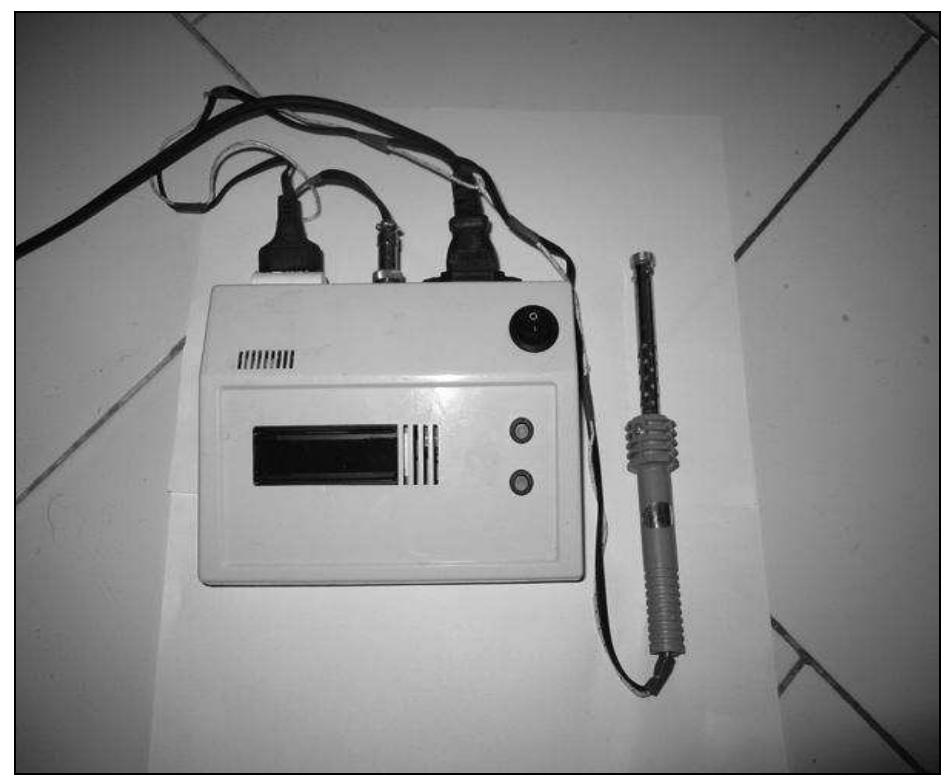
MATERIALS AND METHODS: Thermal source: For this study a new device was
Plant material: Nigella sativa L. (Ranunculaceae) made by attaching a soldering iron with a flat
seeds were purchased from the local market in contact surface (diameter 1.5 cm) on top, to a
Esfahan, Iran; authenticated by Dr. Parisa Sarkhail heater (temperature range 50-200 °C) with digital
display (Fig. 1). The selected temperature (setting
Available online on www.ijpsr.com 35
� International Journal of Pharmaceutical Sciences and Research ISSN: 0975-8232
point) was attained manually and it was Histochemical analysis: Granulation tissue
continuously monitored with a temperature collected at regular intervals of 4 days and
sensor was implanted into the device. preserved in 10% buffered formalin. A 3-4 μm
thickness sections were prepared and stained
with haematoxylin and eosin 13 and photographed
under 200 or 400 × magnification.
Statistical analysis: All values are expressed as
means±S.E. Data were analyzed by one-way
ANOVA, followed by Tukey's post hoc test. The
results were considered significantly different at P
< 0.05.
RESULTS:
Phytochemical analysis: The solvent extraction of
Nigella seeds gave rich-yellow oil with an
aromatic odor (yield 15%). Linoleic acid (55.27%),
FIG. 1: SOLDERING IRON WITH A FLAT CONTACT ON TOP
(DIAMETER 1.5CM) ATTACHED TO A HEATER
oleic acid (21.82%) and palmitic acid (14.86%),
(TEMPERATURE RANGE 50-200°C) WITH DIGITAL DISPLAY were identified as major fatty acids in hexanic
extract. The hydrodistillation of the hexanic
Burn wound model: Male Wistar rats weighting extract from the N.s gave a pale-yellow volatile oil
250-300 g were used to carry out the present with aromatic odor. Thirty six compounds,
experiment. They were housed individually in constituting 83.76% of the volatile oil, were
standardized environmental conditions, feed with identified. The volatile oil presented high levels of
normal diet and water ad libitum. This study was p-cymene (30.35%), thymoquinone (24.33%), α-
undertaken after obtaining the approval of thujene (14.62), α-pinene (3.01), and β-pinene
institutional animal ethical committee of Tehran (2.84).
University of Medical Sciences (TUMS). Animals
were anaesthetized by injection of pentobarbital Rate of wound contraction: The rate of wound
(50 mg/kg, i.p.). Burn wounds were created on healing was determined by the size of lesions at
dorsal part of shaved rats and the underlying skin every 4 days interval after burn injury using a
was cleaned with 70% ethanol. Animals bearing graph paper. Table 1 shows the percentage
the full-thickness second-degree burn wounds by decrease of wound contraction for each group.
heated to 100°C for 10 seconds were distributed The percentage of wound contraction in treated
into three groups each containing 24 animals. groups was significant statistically when
Control rats (Group 1) were left undressed, while compared to control on the 4th, 8th, 12th and 16
experimental rats were dressed twice daily days P<0.05. On the 8th day, the percentage of
treatment with the N.s extract (Group 2) and 1% wound contraction in treated rats was much
SSD (Silver sulfadiazine, Behvarzan Pharma- faster when compared with control rats. On day
ceutical Company, Rasht, Iran), as Group 3. 12, the extract-treated animals showed 81.20%
reduction in the wound area and were
Rate of wound contraction: The rate of wound significantly (P<0.05) more than control group
contraction was measured as percentage 63.31%. In this study, there was no a statistically
reduction in original wound size at every 4 days significant difference in the healing time of burn
interval using a millimeter scale graph paper. wounds between extract oil and SSD-treated rats
within 16 days.
Available online on www.ijpsr.com 36
� International Journal of Pharmaceutical Sciences and research ISSN: 0975-8232
TABLE 1: PERCENTAGE REDUCTION OF WOUND SIZE IN CONTROL AND TREATED RATS
Wound concentration (%)on days
Drug
4 8 12 16
Control 32.02±0.62 45.20±1.31 63.31±3.49 88.35 ± 0.25
* * *
Extract 55.38 ± 0.95 72.02 ± 0.47 81.20 ± 0.58 96.62 ± 0.16*
SSD 57.45 ± 0.57* 77.27 ± 0.49* 82.91 ± 0.38* 97.00 ± 0.05*
Values are means ± S.E. for each group of six rats; * significantly different from control, P < 0.05
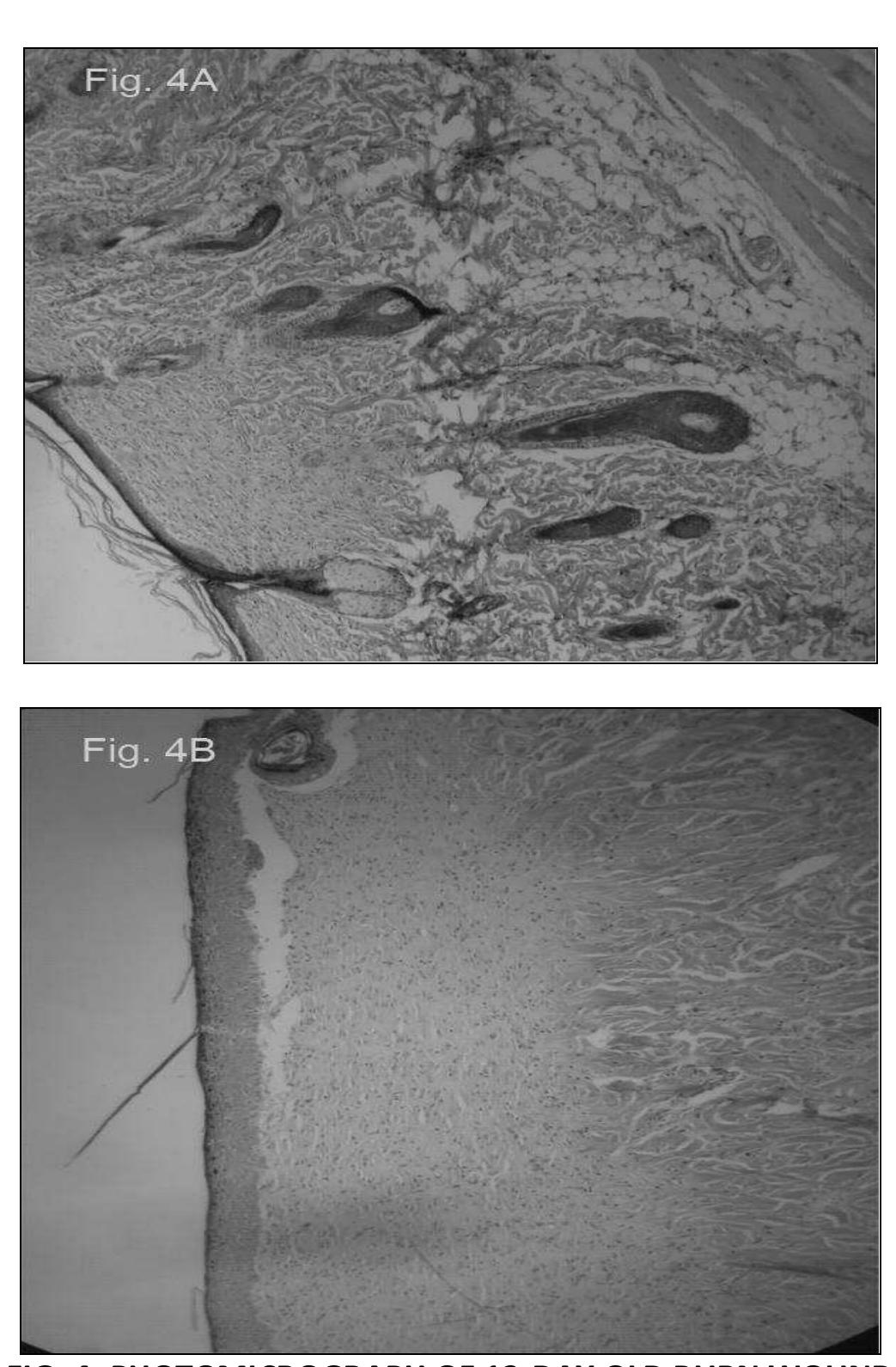
Histochemical study: Histological evaluation was
studied on the treated and untreated samples at
every 4 days interval. Haematoxylin and eosin
stained sections of tissue were examined for
inflammatory cells, collagen bundles, epidermal
regeneration and skin appendages. Comparison of
granulation tissue section from extract treated
rats with control group showed significant
improvement in the wound healing on 4th day
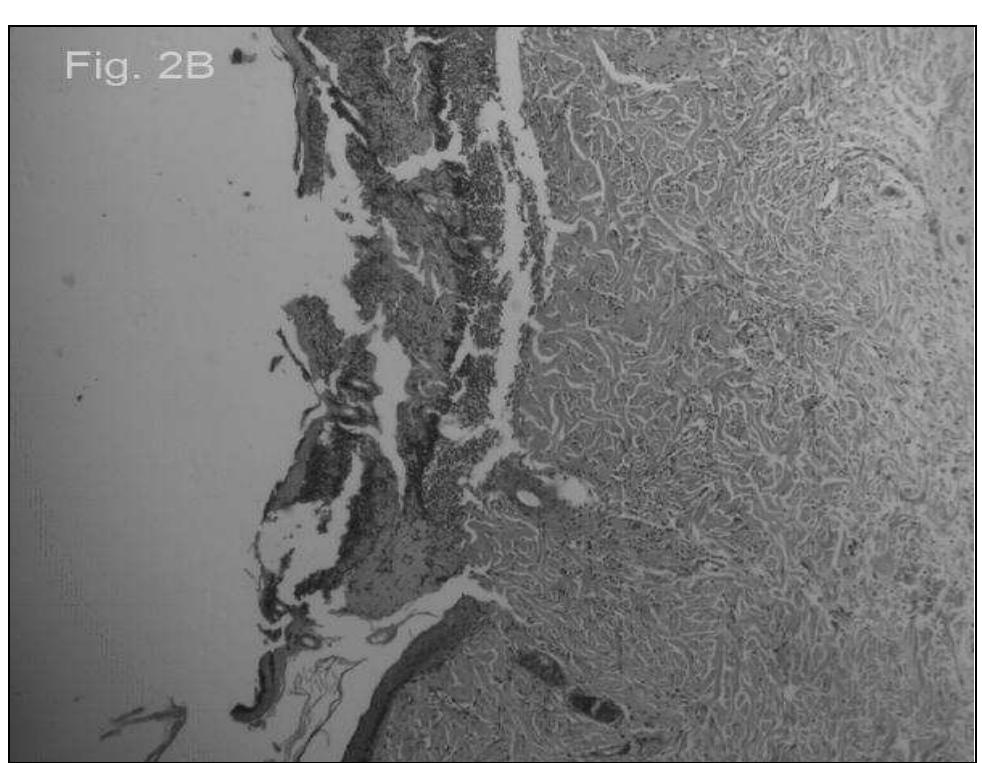
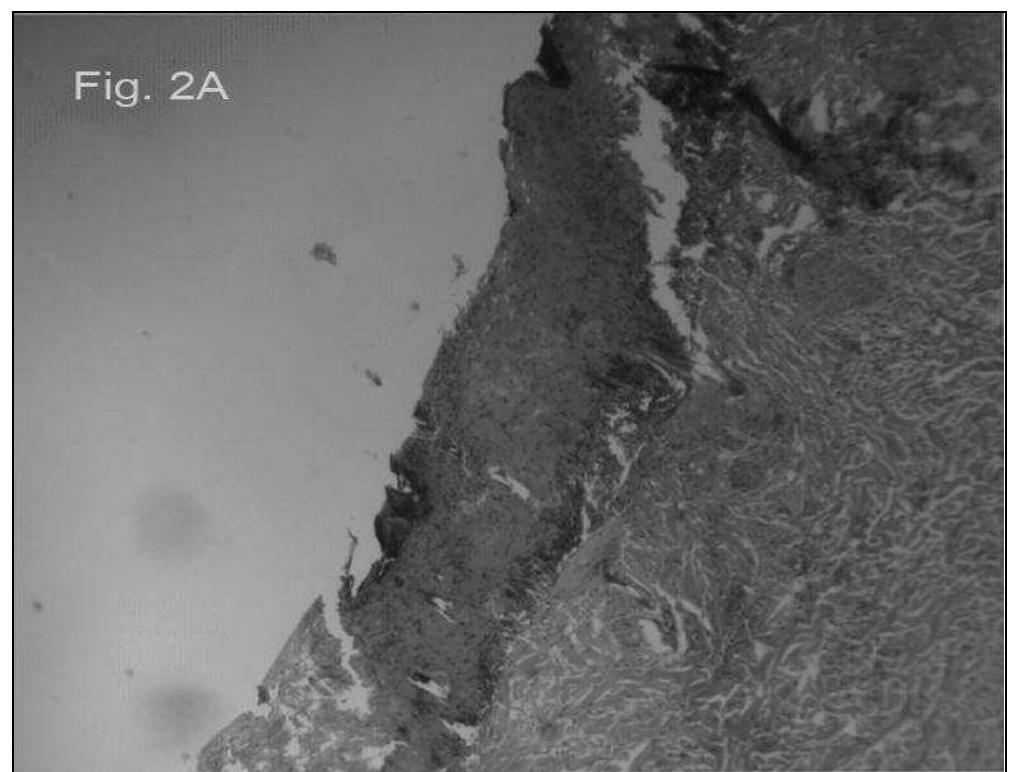
after treatment in extract-treated group (Fig. 2, A
and B). Figure 2A showed burn wound with
infiltration of inflammatory cells between viable
and non viable tissue and focal epidermal
regeneration while in control group there is no FIG. 2: PHOTOMICROGRAPH OF 4-DAY OLD BURN WOUND
OF TOPICAL N.S EXTRACT OIL GROUP (A) AND CONTROL
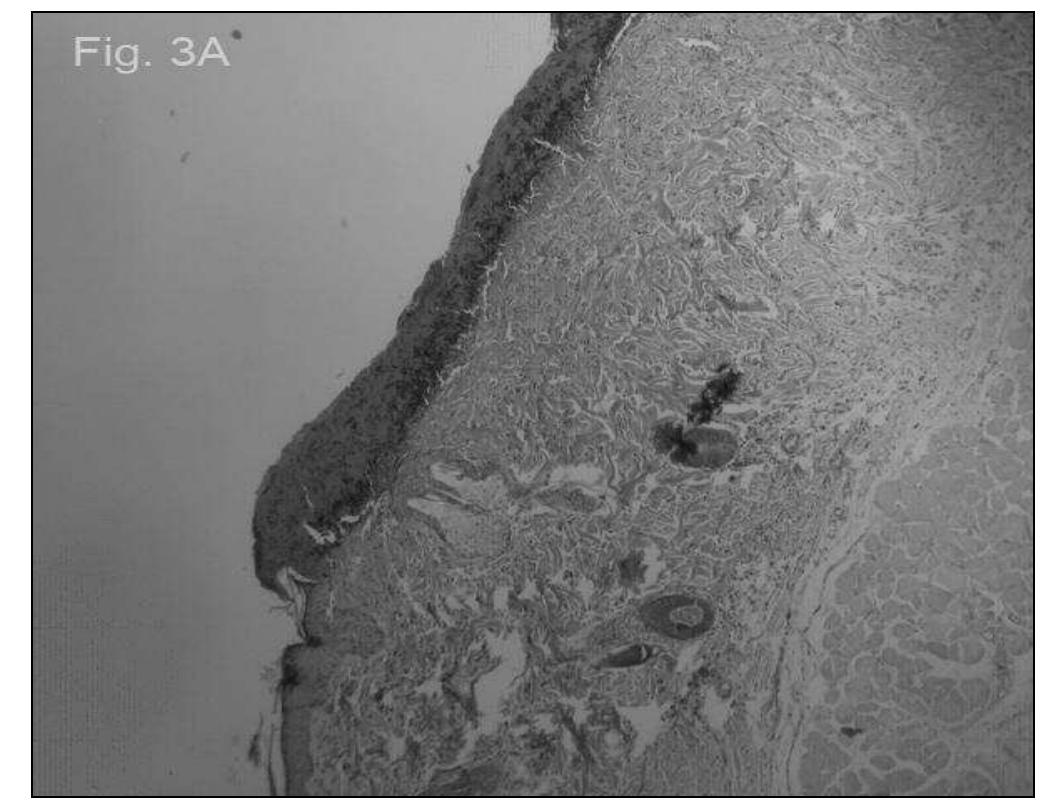
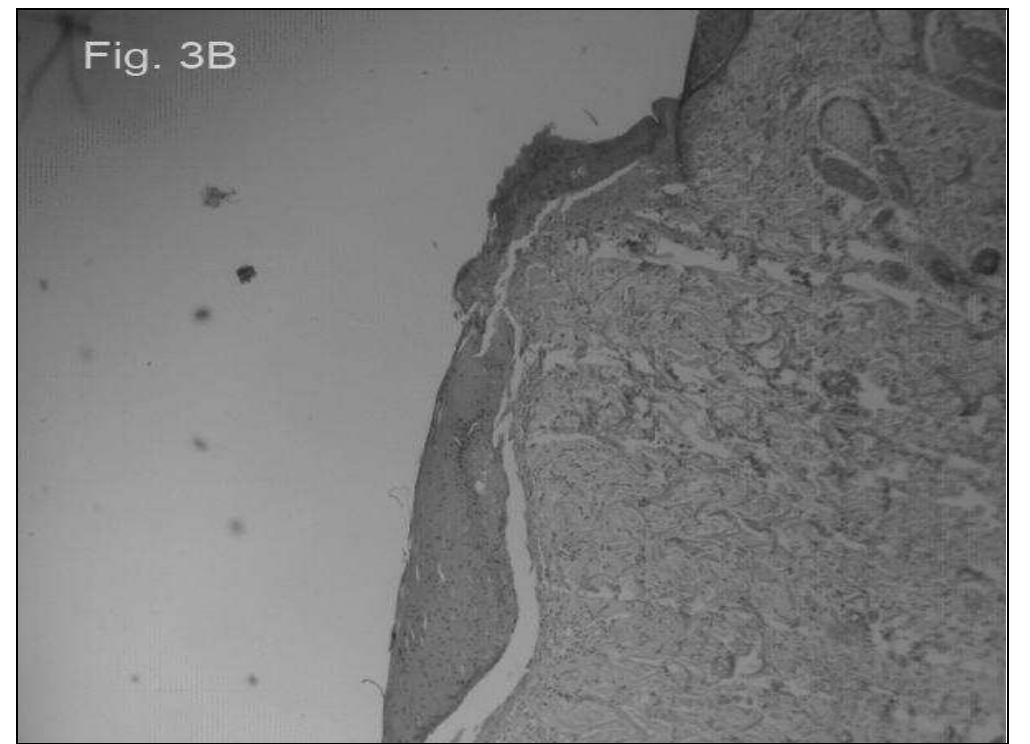
epidermal regeneration (Figure 2B). Day 8 sections
GROUP (B) H & E 200 ×. (A) FOCAL EPIDERMAL
showed (Fig. 3, A and B) increased regenerated REGENERATION, BURN WOUND WITH NEUTROPHILIC
epidermis with underlying organizing granulation INFILTRATION BETWEEN VIABLE AND NON VIABLE TISSUE
tissue and new collagen bundles in treated rats AND FOCAL EPIDERMAL REGENERATION; (B) BURN
than control. A well-advanced collagen bundles in WOUND WITH NEUTROPHILIC INFILTRATION BETWEEN
VIABLE AND NON VIABLE TISSUE, WITHOUT EPIDERMAL
the upper to mid dermis, and fully grown
REGENERATION.
regenerated epidermis were observed in treated
rats than control on 12th day but cutaneous
appendages were appeared only in treated groups
(Figure 4, A and B). On the 16th day, complete
epithelialisation and skin appendages were
observed in treated and untreated rats.
Available online on www.ijpsr.com 37
� International Journal of Pharmaceutical Sciences and Research ISSN: 0975-8232
CONTROL GROUP (B) H & E 200 ×. (A) FULLY GROWN
REGENERATED EPIDERMIS. WELL ORGANIZED COLLAGEN
BUNDLES IN THE UPPER TO MID DERMIS AND WITH SKIN
APPENDAGES WERE OBSERVED; (B) FULLY GROWN
REGENERATED EPIDERMIS, WELL ORGANIZED COLLAGEN
BUNDLES IN THE UPPER TO MID DERMIS AND FEW
INFLAMMATORY CELLS INFILTRATING DEEP DERMIS,
WITHOUT CUTANEOUS APPENDAGES.
DISCUSSION: Burn wound healing is a complex
process of regenerating dermal and epidermal
tissue that some biological mechanisms such as
inflammation, granulation tissue formation,
collagen synthesis and re-epithelialization involve
FIG. 3: PHOTOMICROGRAPH OF 8-DAY OLD BURN WOUND
OF TOPICAL N.S EXTRACT OIL GROUP (A) AND CONTROL in healing process. In this study a full-thickness
GROUP (B) H & E 200 ×. (A) COMPLETELY REGENERATED second-degree thermal burn injury was induced
EPIDERMIS WITH UNDERLYING ORGANIZING on the shaved skin surface by placing a heated
GRANULATION TISSUE AND NEW COLLAGEN BUNDLES, soldering iron. Despite the fact that the healing
WITHOUT SKIN APPENDAGES; (B) THIN REGENERATED
process takes place by itself, it does not require
EPIDERMIS (COVERED WITH SCAR) WITH UNDERLYING
GRANULATION TISSUE AND NEW COLLAGEN BUNDLES much help, but various risk factors such as
infection and delay in healing has brought
attention to promote this process. Silver
sulfadiazine (SSD), known for its antibacterial
effect, is used primarily as a topical burn
treatment on second- and third-degree burns but
prolonged and excessive application of SSD may
results significant risk of systemic absorption and
toxicity 8-10.
Results of wound contraction rate, as
shown in Table 1, indicated a healing potential for
the extract that was comparable to SSD group. On
the other hand, the results showed that there was
significant difference (P < 0.05) between
untreated group and treatment groups within 16
days. The healing potential was further confirmed
in the histological assay. Histological studies of
wound section proved the formation of epidermis
and less inflammatory cells infiltrated the dermis
in N.s group. After 8 days N.s extract group was
close to the normal skin and fully grown
regenerated epidermis was observed on 12th day
in treated rats. N.s extract oil showed a good
potential for acceleration of burn wound healing
in rats. These effects might be due to several
mechanisms including an increasing collagen
FIG. 4: PHOTOMICROGRAPH OF 12-DAY OLD BURN WOUND synthesis and rate of epithelialization by the effect
OF TOPICAL N.S EXRACT OIL GROUP (A) H & E 400 × AND
Available online on www.ijpsr.com 38
� International Journal of Pharmaceutical Sciences and Research ISSN: 0975-8232
of an anti-inflammatory, an antimicrobial, and a REFERENCES:
moisturizing 14, 15.
1. Mozaffarian V: A Dictionary of Iranian Plants Names;
Tehran; Farhang Moaser Publishers, 1998: 365.
Nigella sativa seeds have exposed a broad 2. Ali B H, Blunden G: Pharmacological and toxicological
spectrum of pharmacological activities including properties of Nigella Sativa. Phytother Res 2003; 17:299-
05.
anti-inflammatory, antidiabetic, antimicrobial 15, 3. Ramadan MF: Nutritional value, functional properties and
antioxidant, immunopotentiation 16, antihistaminic nutraceutical applications of black cumin (Nigella sativa
17
and anti-hypertensive activities 18. Many of L.): an overview. Int J Food Sci Tech 2007; 42:1208-18.
4. Abdel Fatah M, Matsumoto K, Watanake H:
these actions such as anti-inflammatory and Antinociceptive effects of Nigella sativa oil and its major
antioxidant were due to fixed oil and essential oil components in mice. Eur J Pharmacol 2000; 400:89-97.
compounds of N. sativa 2, 5, 19, 20. Anti- 5. Houghton PJ, Zarka R, Heras B, Hoult JRS: Fixed oil of
Nigella sativa and derived thymoquinone inhibit
inflammatory and analgesic activities of black eicosanoid generation in leuko cytes and membrane lipid
cumin seed essential oil may due to the presence peroxidation. Planta Med 1995; 61:33-6.
of thymoquinone which is an active compound of 6. Nickavara B, Mojaba F, Javidniab K, Roodgar Amolia MA:
Chemical composition of the fixed and volatile oils of
oil with variety of beneficial effects including anti- Nigella sativa L. from Iran. Z Naturforsch 2003; 58c:629-
oxidative, inhibitory activity against positive and 31.
gram-negative bacteria 14 and anti-inflammatory 7. Mokaddas E, Rotimi VO, Sanyal SC: In vitro activity of
piperacillin/ tazobactam versus other broad antibiotics
activities 21, 22. against nosocomial gram negative pathogens isolated
from burn patients. J Chemother 1998; 10:208-14.
Fatty acids are important components of 8. Hermans MHE, Hutchinson JJ: The incidence of infection
the cell membrane. Essential fatty acids are under dressings: a prospective comparative trial of
required to ensure epidermal integrity and to hydrocolloid dressing, DuoDERM CGF, versus
conventional dressings in the treatment of leg ulcers,
maintain the water barrier in the skin. On the burns and donor sites: Exerpta Med 1990; 35-41.
other hand, fatty acid supplementation like oleic 9. Boosalis M, McCall J, Ahrenholz D, Solem L, McClain C.
and linoleic acid could stimulate wound healing by Serum and urinary silver levels in thermal injury patients.
Surgery 1987; 101:40-3.
enhancement of the total number of cells 10. Hutchinson JJ: Prevalence of wound infection under
migrating across the wound line during the occlusive dressings: a collective survey of reported
reparation process 23. Additionally, fatty acids have research. Wounds 1989; 1:123-33.
11. Massada Y. In Analysis of Essential Oil by Gas
been shown to stimulate neutrophils. These cells Chromatography and Spectrometry Wiley: New York,
play a key role in the healing process by releasing 1976.
growth factor, inflammatory cytokines, destroy 12. Adams RP: Identification of Essential Oil Components by
Gas Chromatography/Quadrupole Mass Spectroscopy.
bacteria and remove dead and dying cells from Allured: Carol Stream, IL, 2001.
tissue spaces 24. This may be an important 13. McManus JFA, Mowry RW: Staining Methods, Histologic
mechanism for the effect of linoleic and oleic acids and Histo- chemical. Harper and Row, New York,
Evanston, London, 1956.
in acceleration of wound healing process. 14. El-Fatatry HM: Isolation and structure assignment of an
anti-microbial principle from the volatile oil of Nigella
In conclusion, the results obtained in this sativa L seeds. Pharmazie 1975; 30:109-11.
15. Sharma NK, Ahirwar D, Jhade D, Gupta S: Medicinal and
study indicated that topical application of N.s pharmacological potential of Nigella sativa: A Review.
extract oil at the burn wounds significantly Ethnobotanical. Review 2009; 13:946-55.
stimulated wound contraction and increase 16. Salem ML: Immunomodulatory and therapeutic
properties of the Nigella sativa L. seed. Int
wound healing process as compared to control Immunopharmacol 2005;5:1749-70
group, which may be due to its anti-inflammatory, 17. Boskabady MH, Shirmohammadi B, Jandaghi P, Kiani S:
antioxidant and antimicrobial activities of N.s oil. Possible mechanism (s) for relaxant effect of aqueous and
macerated extracts from Nigella sativa on tracheal chains
of guinea pig. BMC Pharmacol 2004; 4:3-8.
Acknowledgements: This research was supported 18. Roghani Dehkordi F, Kamkhah AF: Antihypertensive
by a grant from Pharmaceutical, Sciences Research effect of Nigella sativa seed extract in patients with mild
Center of University of Tehran. hypertension. Fund Clin Pharmacol 2008; 22:447-52.
Available online on www.ijpsr.com 39
� International Journal of Pharmaceutical Sciences and Research ISSN: 0975-8232
19. Hosseinzadeh H, Parvardeh S, Asl MN, Sadeghnia HR, 22. Ragheb A, Attia A, Eldin WS, Elbarbry F, Gazarin S, Shoker
Ziaee T: Effect of thymoquinone and Nigella sativa seeds A: The protective effect of thymoquinone, an anti-oxidant
oil on lipid peroxidation level during global cerebral and anti-inflammatory agent, against renal injury: a
ischemia-reperfusion injury in rat hippocampus. review. Saudi J Kidney Dis Transpl 2009; 20:741-52.
Phytomedicine 2007; 14:621-27. 23. Ruthig DJ, Meckling-Gill KA: Both (n-3) and (n-6) fatty
20. Suboh SM, Bilto YY, Aburjai TA: Protective effects of acids stimulate wound in the rat intestinal epithelial cell
selected medicinal plants against protein degradation, line, IEC-6. J Nutr 1999; 129:1791-98.
lipid peroxidation and deformability loss of oxidatively 24. Pereira LM, Hatanaka E, Martins EF, Oliveira F, Liberti EA,
stressed human erythrocytes. Phytother Res 2004; Farsky SH, Curi R, Pithon-Curi TC: Effect of oleic and
18:280-84. linoleic acids on the inflammatory phase of wound
21. Hajhashemi V, Ghannadi A, Jafarabadi H: Black cumin healing in rats. Cell Biochem Funct 2008; 26:197-204.
seed essential oil, as a potent analgesic and anti-
inflammatory drug. Phytother Res 2004; 18:195-99.
**********************
Available online on www.ijpsr.com 40
�


 Mohammad Abdollahi