

 Kevin Gibbs

580 California St., Suite 400
San Francisco, CA, 94104
…
9 pages


AI
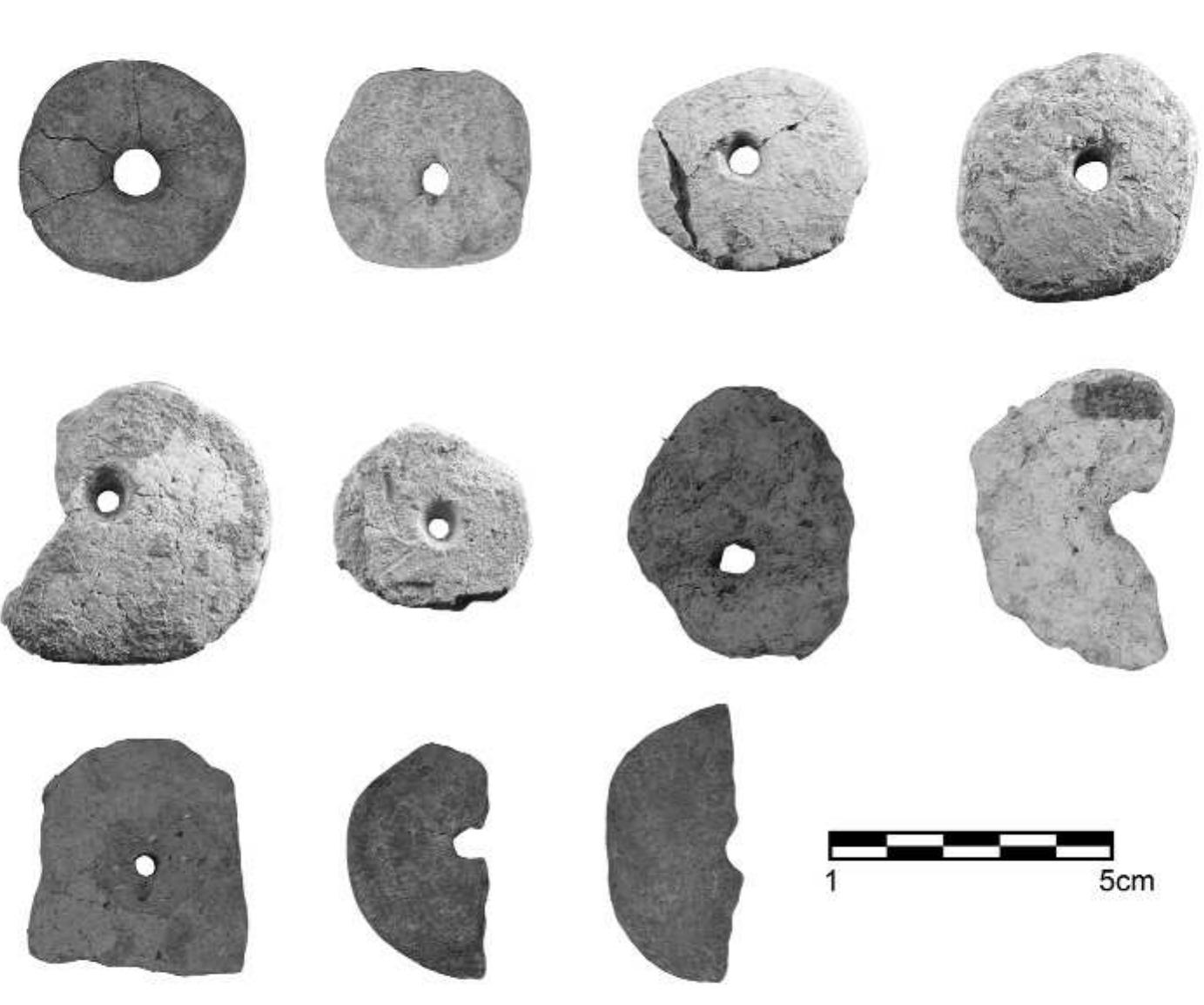
Fired-clay disks with holes found in the Late Neolithic sites of the southern Levant have been proposed as spindle whorls. This analysis of disks from Tabaqat al-Bûma reveals that while their design and characteristics may not be ideal for spinning, they can be functionally used in hand spinning, supporting the concept of expedient tools in textile production during this period.
AI
Note: This paper was originally published in the January 2014 EXARC Journal (http://journal.exarc.net/issue-2014-1). An abridged version was printed in the 2014 EXARC Digest. Abstract This paper takes the form of a critical analysis of archaeological experiments using spinning tools. The archaeological experiments regarding whorl weight and wool spinning of the Tools and Textiles – Texts and Contexts project, through the Danish National Research Foundation’s Centre for Textile Research, are examined with respect to a number of variables. These variables include the experience of the technicians, the details of the reconstructed spindles, and technical aspects of preparation and spinning methods. The variables and their implications are insufficiently addressed in the technical reports of the experiments, and further consideration and elucidation would enhance the interpretation of experimental results. Archaeological experimentation of this type would also benefit from the incorporation of ethnographic observation to provide contextual information and comparative behavioral data. The assumptions inherent in modern approaches to fibre technology and their influence on archaeological experimentation are considered, with a view toward encouraging a more self-conscious approach to the analysis of fibre experiments.
Lunular or crescent shaped loom-weights are well known in mediterranean area – from Spain, in France, Italy, Greece and Turkey. The weights have also been found even in the area around the alps, in Hungary, Austria, Czech Republic and Southern Germany, especially accompanying the Jevišovice Culture and the Funnel Beaker Culture (about 3000 BC). The exact function of this unburnt or only less burnt artefacts is reconstructed in different ways. The experiments proved that crescent loom weights can be used for different textile techniques as band weaving, weaving a large textile on a loom or twining on a frame. It is possible to construct with that tools fabrics as they were found at Late Neolithic sites, especially band weaves, large weaves in tabby as well as structures of twined. Use-wear analysis were done as well.
The economic importance of fibre crafts in prehistoric communities is manifested by the spindle whorls which usually appear in abundance during the excavation of settlements. Ropes, cords and yarn for weaving can be manufactured from plant or animal fibres, with various techniques, 1 one of which requires the implementation of the spindle. 2 The spindle does not survive in the archaeological record since it is usually made of wood, a perishable material. 3 Spindle whorls, however, are traditionally and cross-culturally made of clay, stone or bone, 4 and have much better chances of good archeological preservation. For this reason they constitute one of the most critical categories of archaeological data for the study of prehistoric yarn production. They are technological, economic and cultural markers of a craft which is otherwise archaeologically invisible.
Ethnobiology Letters, 2016
Akrotiri, Thera. Forty Years of Research (1967-2007), 2021
The fourth decade (1997-2007) of archaeological activity at Akrotiri, Thera, saw the completion of the excavation of the shafts for the foundations of the pillars of the new bioclimatic shelter, and the satisfactory progress of study of the finds. Since the presentation of our excavation and research work at regular intervals is almost and institution, one more colloquium was organized in 2007, in order to present the particularly important new discoveries and the multifaceted scientific approach to the diverse issues arising from the recent excavations. Needless to say, our obligation to make known to the scholarly community, as well as to the general public, the significant work being carried out at Akrotiri could not be met fully without the publication of the proceedings of that meeting. in 2021, fourteen years after the 2007 colloquium, our initial aim was eventually fulfilled, with the publication of the Proceedings of the Two-day Colloquium on 40 Years of Research at Akrotiri (1967-2007). This exceptionally long delay, which was due to many and varied setbacks, certainly beyond our control, in no way diminishes the scientific interest of this volume, the contributions to which are the fruit of many years of research and experience in the scientific field, offering a rich body of new material and expressing interesting interpretations and fresh ideas. indeed, in order to reach as wide a readership as possible, it was decided to publish the book in english. The grouping of the articles in this volume in five thematic units follows the programme of the papers presented at the two-day colloquium. The introductory chapter 40 Years of Research, which precedes, is the compte rendu of work at Akrotiri over 40 consecutive years: excavation, conservation, documentation, infrastructure, management, protection and enhancement. The first thematic unit, Stratigraphy-Chronology, deals with the geology and terrain of the area in which the prehistoric settlement at Akrotiri developed, and sketches the gradual cultural development of the settlement during the Neolithic, early Cycladic and Middle Cycladic periods. in the second unit, Urban Planning and Architecture, relevant articles present a part of the large 'public' building Xeste 4, trace over time the constructional development of Building Complex delta from its founding to its final phase, propose the restoration of the picture of a quarter of the settlement in the northwest sector of the excavated site, attempt to remodel the open spaces and the drainagesewerage network of the city, and, last, attempt a 3d virtual reconstruction of Xeste 3. The third unit, Technology-Economy, refers to important productive activities and attempts to link some products with the economy. Presented are the preliminary results of an interesting study of inorganic material found in small quantities, mainly as residues on the surface of stone tools. Most samples are related to pigments, which were used widely for colouring the outside of the buildings and for the decoration of their interior spaces with wall-paintings, as well as to produce even cosmetics. The finding of a quantity of pulverized quartz suggest the possibility of local production of faience. The confirmation of the widespread use of zeolite points to its use in diverse applications, such as detergent, disinfectant, filtering. At Akrotiri, the preservation of textiles is a unique challenge for studying the technology of spinning and weaving, as attested by tools of cloth production-spindle whorls and loom-weights-and by actual textiles. 6. bARbER 1991, 42-54. 7. MåRTENSSoN et al. 2009. 8. I thank Dr A. Devetzi for observations on the material of the stone spindle whorls. 9. bERNAbò-bREA 1976, 280; bARbER 1991, 303. The term 'hollowed' is preferred in the publication of Ayia Irini, see for example DAVIS 1986, pl. 38: d.
The archaeological site of Pyrgos (Belgiorno 2009) offers the opportunity to carry out archaeometric investigation on Bronze Age textile evidence. In 2003, during the excavation campaign, twenty spindle-whorls were found in the textile area G7 (Belgiorno 2004). In the following years, spindle whorls have been detected all around the excavation area and the evidence were distributed as follows: five objects from F5/7, a living unit; eight from E5/7, a living unit; three from F9, new excavation area; eight from G8, an area in connection with the textile sector; one from H7, a small storage/service room; two from H9, the winery; one from I6, the oil press/perfumery; two from I8/9, a metallurgical court; four from K7, a metallurgical court; four from M/L5, a working area with two basins in connection with metallurgy
The economic importance of fiber crafts in prehistoric communities is manifested by the spindle whorls which usually appear in abundance during the excavation of settlements. Ropes, cords and yarn for weaving can be manufactured from plant or animal fibers, with various techniques, 1 one of which requires the implementation of the spindle. 2 The spindle does not survive in the archaeological record since it is usually made of wood, a perishable material. 3 Spindle whorls, however, are traditionally and cross-culturally made of clay, stone or bone, 4 and have much better chances of good archeological preservation. For this reason they constitute one of the most critical categories of archaeological data for the study of prehistoric yarn production. They are technological, economic and cultural markers of a craft which is otherwise archaeologically invisible. The significance of spindle whorls as technological markers of yarn production lies in the function of the spindle. Experimental spinning performed with replicas of prehistoric spindle whorls has provided important information on the relationship among raw materials, whorls and products. 5 Fibers are attached to the spindle and yarn is formed while they are twisted along with the rotation of the tool. The rotation is enhanced if a whorl is added on the spindle. 6 The spinner must pick a whorl large and heavy enough to allow for the fibers to twist better and faster than before, yet not cause them to break. Small and light spindle whorls are suitable for softer and shorter raw materials and finer products, while larger and heavier ones are optimal for harder and longer fibers and coarser yarns. 7 Evidently, the size of the spindle whorl is crucial for the success of the endeavor. It must be chosen with regards both to the raw materials and the end product. It thus becomes apparent that spindle whorls of significantly different sizes are suitable for spinning different kinds of fibers into different kinds of yarns. Thus the degree of whorl size differentiation reflects the degree of product differentiation in terms of raw material, quality of end product, or both.
In the Shadow of the Ancestors. The Prehistoric Foundations of the Early Arabian Civilization in Oman – Second expanded edition (Cleuziou S. & M. Tosi) , 2018
Gurkan Ergun, 2020
This paper examines Late Bronze Age spindle whorls and loom weights found in the ongoing excavations at Beycesultan Höyük restarted in 2007 in context. Some supporting evidence on the functions of weaving tools has been obtained based on the context. The lack of written sources on weaving in Western Anatolia entails directly description of the weaving of this region through archaeological material. Spindle whorls in various forms and sizes indicate that different types of yarns were produced in the settlement while the numerous loom weights in the settlement imply the weavings be woven on the warp-weighted vertical looms of different sizes. The weaving tools found in the houses with several rooms indicate that weaving was practiced as a specialized occupation by some members of the household. It may be assumed that spinning could be done in almost any room, but wider courtyards were generally preferred for weaving with a loom. The storage rooms or living rooms of the houses were areas where the weaving tools were collected/stored after the weaving was stowed/stored. Despite similarities with Central Anatolia and Western Anatolia, local effects on weaving tools are quite dominant. With a large number of decoration elements unique to Beycesultan, some spindle whorls and loom weights found also support this view. The data renders Beycesultan höyük as an important textile production center in Western Anatolia. Hundreds of spindle whorls and loom weights found that will also dim light on the settlement and the region's Late Bronze Age weaving in region.
AI
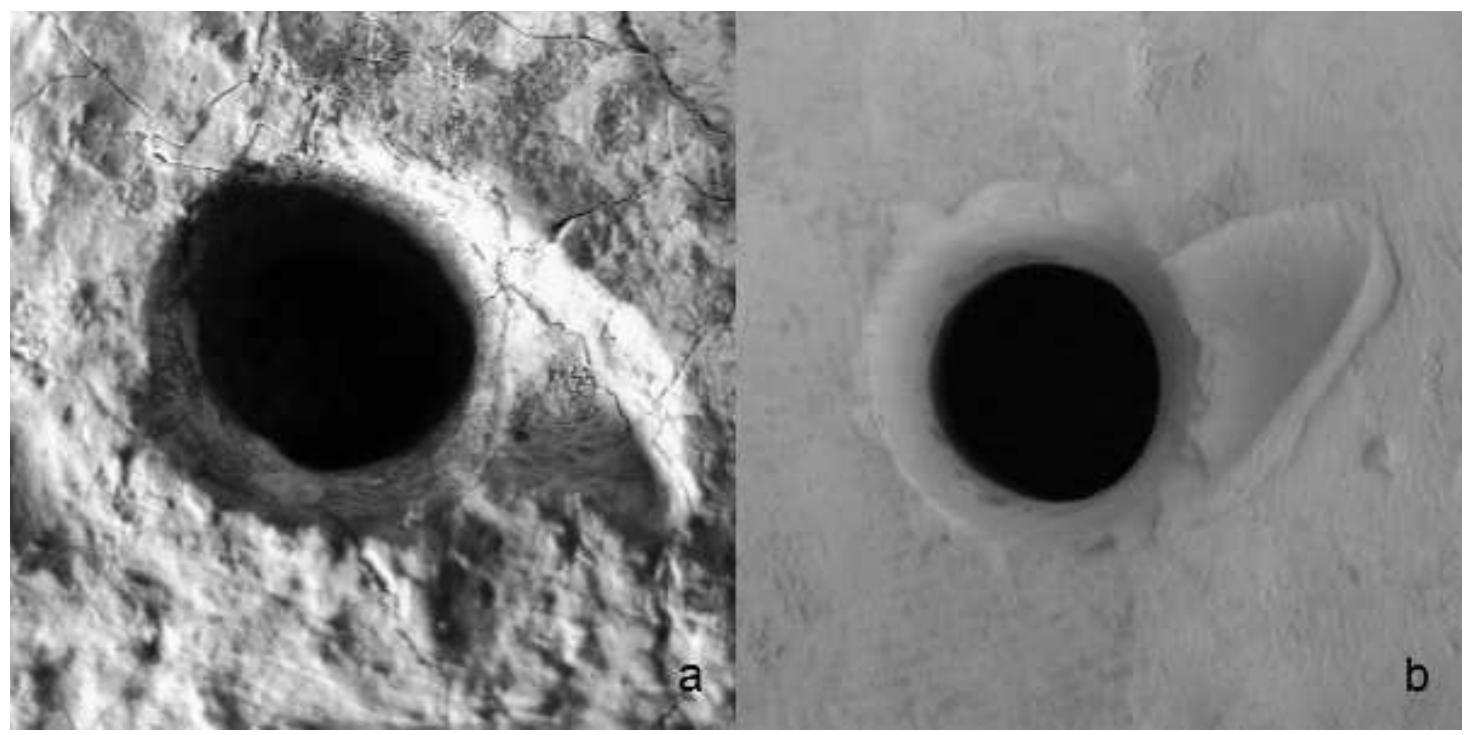
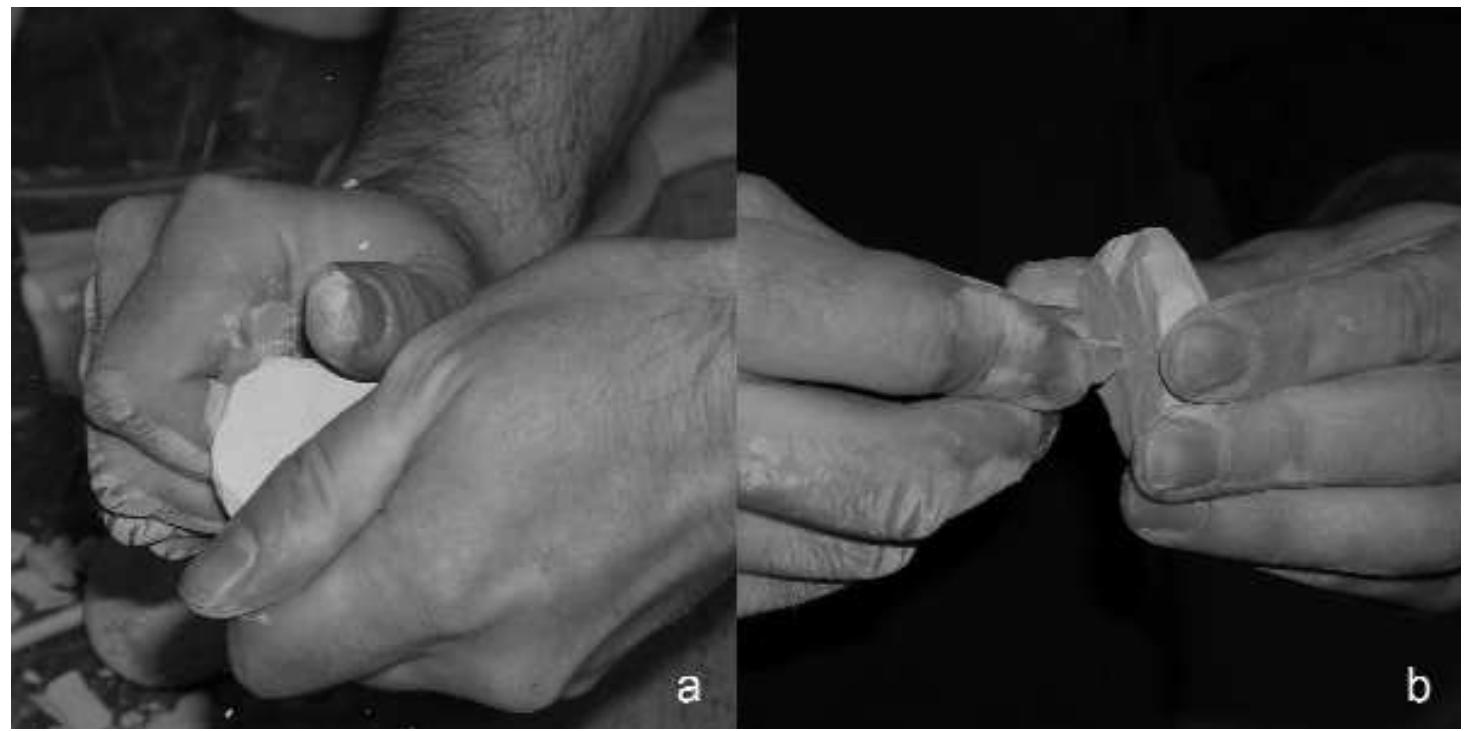
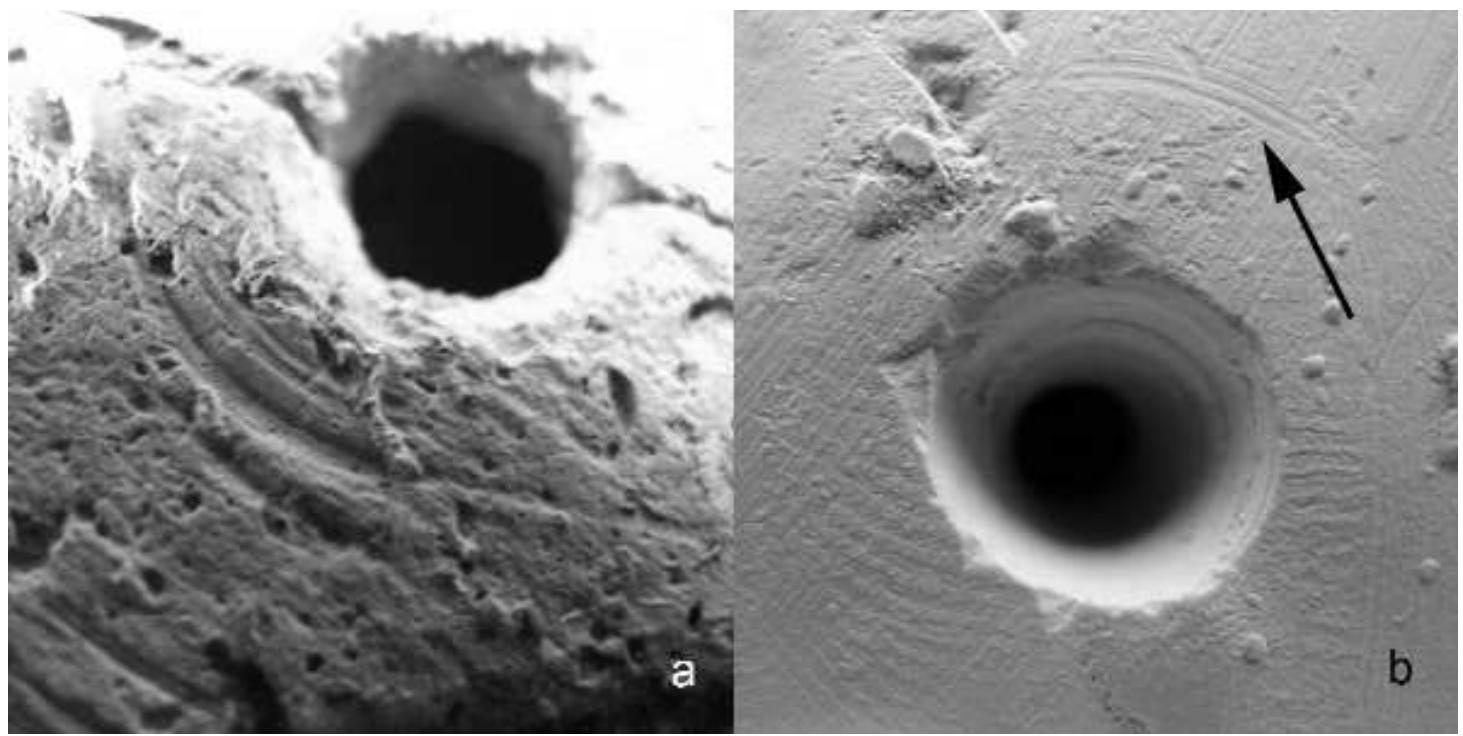
The study utilized macroscopic observation and replication experiments to examine the disks' production sequence. This approach provided insights into the shaping and drilling techniques used in their manufacture.
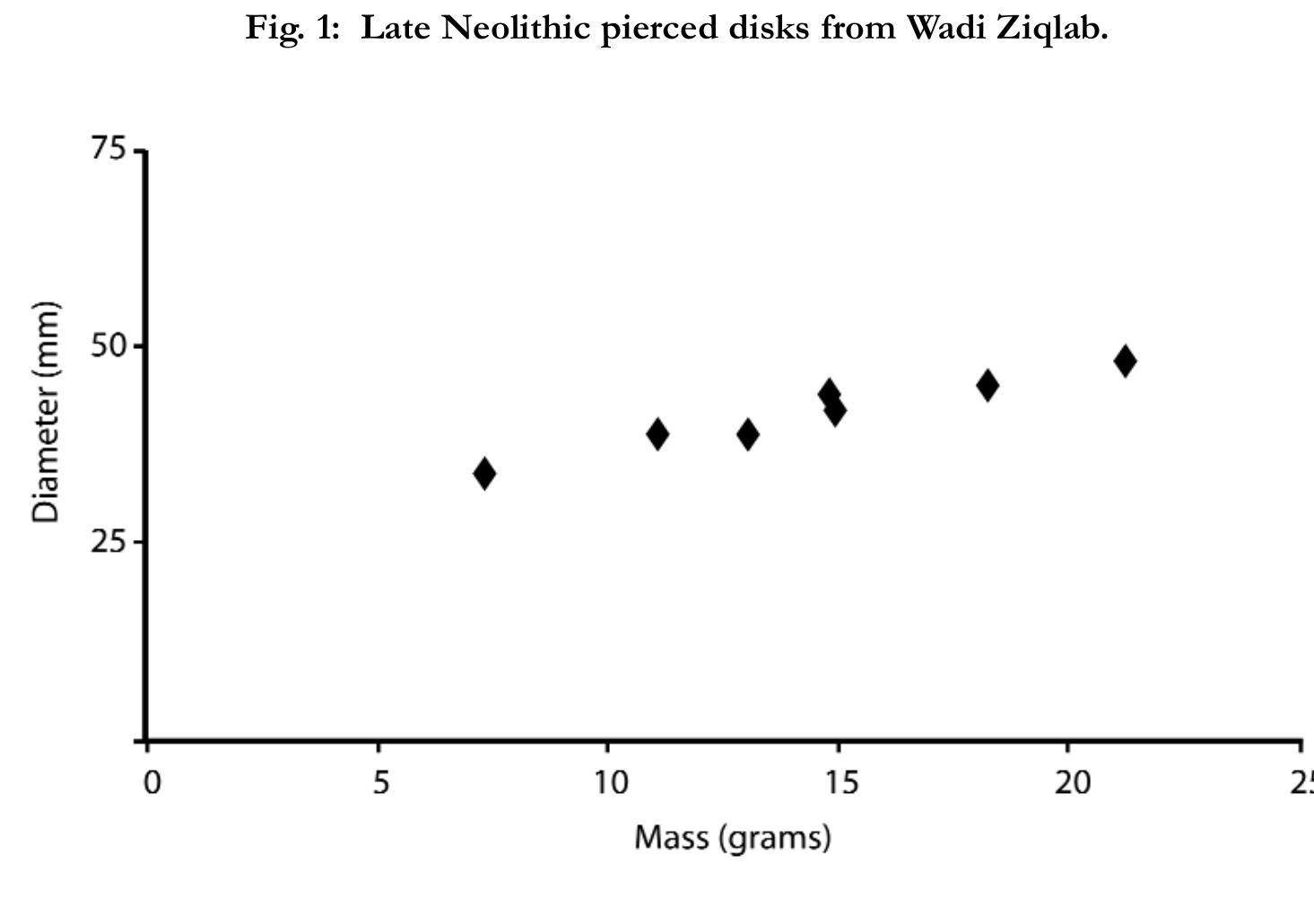
The disks are often too light for optimal flax spinning, with masses ranging from 7.3g to 21.2g. Additionally, hourglass-shaped holes do not fit snugly on traditional spindles, complicating their classification.
Besides spindle whorls, potential roles include gaming pieces, accounting tokens, or jar stoppers. These hypotheses highlight the versatility and cultural significance of such artifacts in the Late Neolithic.
Replication showed that even novice spinners could produce yarn using the disks with various fibers. The ease of use, despite their asymmetry and light mass, demonstrated their practical applicability in hand spinning.
Disk analysis revealed a mass range of 7.3g to 21.2g, a thickness of 6mm to 17mm, and a maximum diameter from 30mm to 54mm. Variations in shape and color were also recorded, contributing to their classification.

Online Review, 2009
Abstract: Artifacts and products related to spinning became relatively abundant in the southern Levant during the latter half of the 5th millennium BCE. Contrary to widespread scholarly opinions wool was not used for yarn production. Flax was the only fi bre used. All the sites with remains of textiles or evidence for intensifi cation of spinning are currently within the semi-arid zone, lacking the conditions favoured for fl ax cultivation or excess water for processing. A dramatic increase in spinning is attested by a profusion of lightweight, sherd spindle whorls used in the drop spinning technique at some of the semi-arid zone sites. In tandem with the pronounced rise in the frequency of whorls is the earliest known appearance of spinning bowls. Résumé : Au Levant sud, dans la seconde moitié du 5e millénaire av. notre ère, les artefacts et produits que l’on peut associer au fi lage deviennent relativement abondants. Contrairement à l’opinion généralement admise, la laine, à cette époque, ne sert pas à la fabrication du fi l, le lin constituant la seule matière utilisée. Les sites archéologiques ayant livré des restes de textiles ou ayant montré une intensifi cation du fi lage sont tous situés dans la zone aujourd’hui semi-aride ; celle-ci n’offre ni des conditions favorables à la culture du lin ni assez d’eau pour pouvoir le traiter. Toutefois, l’abondance de fusaïoles légères faites à partir de tessons, utilisées dans la technique du fi lage suspendu, témoignent du développement spectaculaire de cette technique. Parallèlement à l’augmentation prononcée du nombre de fusaïoles, on assiste à l’apparition des humidifi cateurs (mouilloirs). Keywords: Chalcolithic; Flax; Spindle whorl; Fibre wetting bowl. Mots-clés : Chalcolithique ; Lin ; Fusaïole ; Bol humidifi cateur (mouilloir).
Open Archaeology
After the development of an experimental protocol concerning an enigmatic tool rarely recognized archaeologically and potentially used as a sword beater, that is, blades in bone or wood, we were able to establish certain diagnostic criteria. These tools recur in sites in the south of France and Italy, for example, dated to 3023 BC. If our experimental reference work is extended, we may be able to determine which fibers were used for textile production during the Neolithic. This could reveal a virtually unknown field in the prehistoric economy and shed light upon the procurement and the use of plant and animal resources developed by populations living in a period when domestication was just beginning.
AEGAEUM 33 Annales liégeoises et PASPiennes d’archéologie égéenne - KOSMOS. JEWELLERY, ADORNMENT AND TEXTILES IN THE AEGEAN BRONZE AGE, 2012
The most common archaeological evidence for textile production in the Aegean and Eastern Mediterranean is the presence of spindle whorls and loom weights. The spindle whorls demonstrate a production of spun thread while the loom weights indicate the use of the warp-weighted loom. A wide variety of both spindle whorl and loom weight shapes have been recorded. In the past, this diversity has generally been explained in terms of cultural, geographical and chronological factors. In contrast, recent research has considered some aspects of shape as an expression of textile tool function. This approach, which draws on experimental archaeology, has made it possible to render textile craft visible, even if the textiles themselves are not preserved.
What social groups were involved in Neolithic craft production? What was the nature of early forms of craft specialization, long before urban economies evolved? One way to look at this is to investigate manufacture of Neolithic prestige goods. Seasonal camps in Wadi Jilat (eastern Jordan) revealed unusually detailed evidence for manufacture of stone beads: debris, blanks, finished beads, and tools for drilling, sawing and abrasion. The material is 'Dabba Marble', a metamorphic rock of which the major source is nearby. This article describes lapidary technology at Jilat 13 and Jilat 25, equivalent in age to the Pre-Pottery Neolithic C (PPNC). Mineral-chemical characterization data on Dabba Marble are presented. These sites raise issues about early craft specialization. These beadmakers seem to have been master craftsmen/women. We suggest that these sites illustrate a particular form of 'site specialization', namely sites located in remote territories and focused on special materials and intensive production of prestige goods. However, these craft activities were also embedded in hunting, herding and, perhaps, ritual, as suggested by figurines and pillars.
2006
Initial formative spinning without mechanical aids led to the gradual adoption in the Neolithic period of spindles with crude whorls initially of stone and later of fired clay resulting in qualitative and quantitative improvement in yarn production. The evolution of the hand spinning process culminated in the use of lightweight sherd whorls and the dropped spinning technique. Sporadic evidence for its use appears at Neolithic sites with universal acceptance in the Chalcolithic period. Experimentation in Western Asia during the Neolithic period with flaxen yarn gave rise to labour intensive utilitarian fabrics in twined and soumak technniques and decorative looped and knotted structures primarily restricted to loci of ideology. Darning the only technique suitable for mechanization gave rise to various tensioning devices initially with shed rod only and ultimately with heddle technology. In the Southern Levant during the course of the 5 th millennium, interaction between increasing skill in spinning and the development of heddle technology, access to adequate raw materials and the appropriate economic environment led at Teleilāt Ghassūl, Gilat and Bir es-Safadi to the adoption of textile economy. Material evidence indicates that at most sites it was a gradual process and only at these three sites a major change. The presence of innovatory, fibre wetting bowls at Neve Ur and Abu Hamid in the Jordan Valley, an area of flax cultivation and the magnitude of the whorl repertoire at Teleilāt Ghassūl, a whorl repertoire that exceeds all other in the Southern Levant suggests an information dissemination route of fibre technology along this axis. The large whorl repertoire at Bir es-Safadi and Gilat both sites beyond the range of rain-fed flax suggests low intensity exchange with the growers possibly via the intermediaries of the Judean Desert. The large textile repertoire and number of whorl recovered from the Judean Desert cave sites indicates familiarity with both the product and production methods. It is possible that these cave dwellers, optimizing their negotiating base for staples were the impetus for the development of the textile industry beyond the Jordan Valley. In the Beersheba valley sites and at Gilat without access to local raw material the industry must have been a minor aspect of the economy. Despite the large number of whorls there is no evidence for concentrations, which would suggest textile activity beyond the household level. Spinning whorls, the most prolific the most durable and often the only archaeological evidence of fibre activity has been delegated in most archaeological reports to the miscellaneous category of 'varia.' This study has shown that this untapped source of information can be judiciously integrated to advantage into archaeological II synthesis as a robust marker for socio-technological change. Conservatism, which characterizes the textile industry, particularly spinning the bottommost rung of the industry, permits the use of ethnographic observations and analogies for understanding the mechanical performance of traditional artifacts and the formative stages of the industry. Comparative, photographic documentation of paramount importance from the late 19 th Century and early 20 th Century which brings into focus archaeological findings is still accessible, albeit with difficulty, but academic standards do not permit its inclusion in this study. III
Tradition and Innovation in Textile Production in the Ancient Mediterranean World and Beyond. Proceedings of the VIIIth International Symposium on Textiles and Dyes in the Ancient Mediterranean World and Beyond (Athens, Greece 19 - 21 October 2022), 2025
Due to the major progress made in the field of textile studies over the past three decades, we know today what the main prehistoric and ancient textile implements looked like and how they were used, particularly the spindle-distaff kit and the warp weighted loom. The archaeological evidence combined with the literary and iconographic sources offered strong grounds for an in-debt inquiry of the occurrence, typology and interpretation of the functional parameters of some of the inorganic parts of the spinning and weaving equipment known as ʽspindle whorlsʾ and ʽloom weightsʾ.1 In archaeology, spindle whorls and loom weights were traditionally examined to learn about textile production and to understand how spinning and weaving were carried out by the prehistoric and ancient Aegean craftspeople. A third category of clay tools referred to as ʽspoolsʾ (or, occasionally, ʽbobbinsʾ), that appeared in the region during the Neolithic period, becoming more common in the Bronze Age and disappeared almost completely in the late Hellenistic times, were rarely included in studies on more general aspects of textile production in ancient societies. Despite their consistent presence in numerous sites throughout the Aegean, they have caught the attention of some researchers in the field only very recently. Based on my doctoral thesis and subsequent research on ancient clay spools in large areas of mainland Greece, I argue that usually spools, loom weights and spindle whorls are part of similar chains of production and use and therefore they should be studied altogether to obtain a complete picture of textile crafts in a given site or region.
